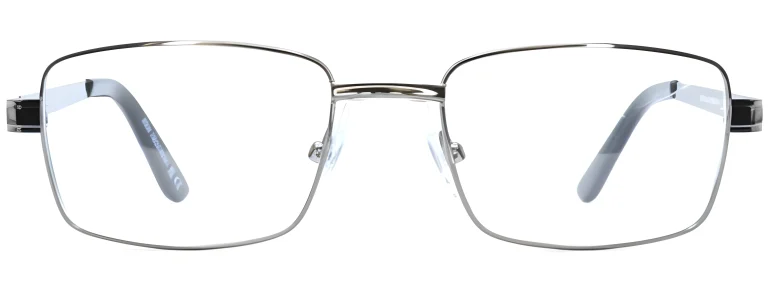
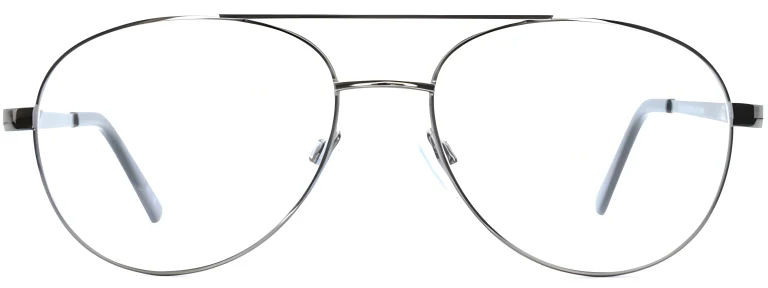
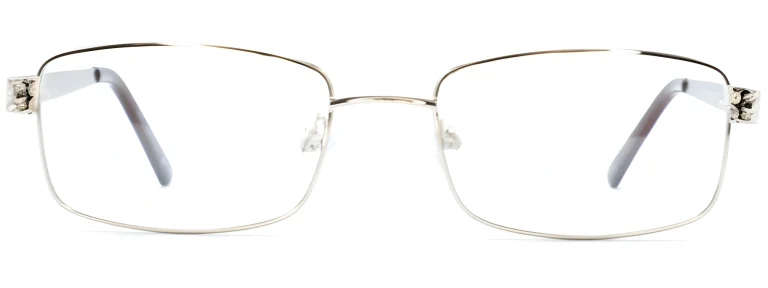
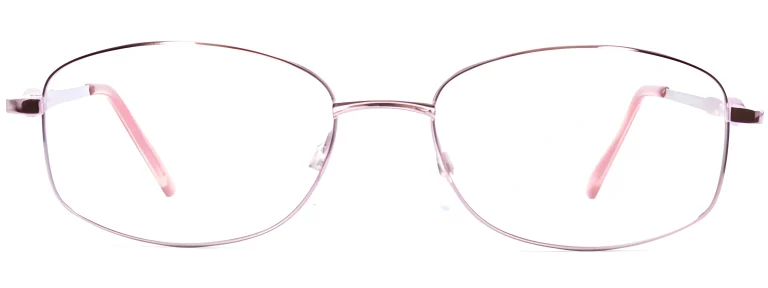



Quick answer: To buy glasses for an elderly parent, you’ll need their up-to-date prescription, their pupillary distance (PD) and a rough idea of their frame size, which you can usually take from their current glasses. Involve them in choosing the frames, think about practical needs such as lightweight frames, easy-to-tell-apart pairs and a spare, and check whether they’re entitled to a free NHS eye test or help with costs. Most of this can be done online on their behalf.
As parents get older, helping with everyday things becomes part of life, and glasses are often one of them. Maybe their current pair is worn out, they’ve had a new eye test, or getting to the high street isn’t as easy as it used to be.
This guide covers everything you need to buy glasses for someone else, from getting hold of their prescription to choosing frames that are easy to live with and getting the order right first time.
Start With a Recent Eye Test
New glasses are only as good as the prescription they’re made from, so check when your parent last had their eyes tested. Our guide on how long an eye test prescription lasts in the UK explains how to check whether theirs is still valid.
Free NHS Eye Tests for Over-60s
Everyone aged 60 or over is entitled to a free NHS sight test, so cost shouldn’t be a barrier. Our guide to using your NHS prescription online lists who else qualifies.
If Your Parent Can’t Easily Leave Home
If your parent is entitled to a free NHS sight test and can’t leave home unaccompanied because of illness or disability, they may be able to have a mobile sight test, where an optometrist visits them at home or in their care home. Ask a local optician whether they offer this.
What You Need Before You Order
Their Prescription
A prescription belongs to the patient, and the optician must give them a copy after an eye test. If your parent can’t find theirs, they (or you, with their permission) can ask the optician who carried out the test for a copy. Our guide on how to read a glasses prescription explains what each value means, which helps you enter it correctly.
Their PD
Your parent’s pupillary distance (PD) tells the lab where to place the centre of each lens. It isn’t always on the prescription. You can ask the optician for it, or measure it with your parent using our guide on how to measure your PD at home.
Their Frame Size
If your parent is happy with how their current glasses fit, the three numbers printed on the inside of the arm give you their size. Our guide on finding your glasses size from your current frames explains what to look for.
Which Type of Lenses They Use
Check whether your parent wears single vision glasses (for reading or distance), bifocals or varifocals. If their prescription has an ADD value, they need help with close-up vision as well as distance. Our comparison of varifocal vs bifocal glasses explains the difference, and it’s usually best to stick with the type they’re already used to.
Choosing Frames That Are Easy to Live With
Style still matters, but practical details can make a big difference to how often your parent actually wears their glasses.
Lightweight Frames
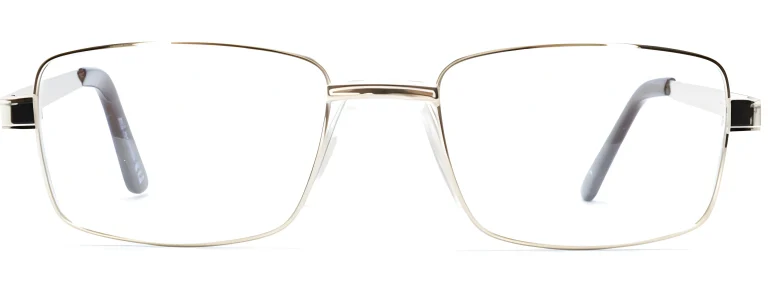
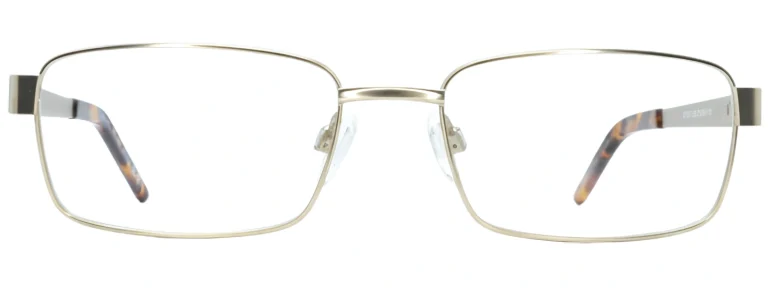
Lighter frames are more comfortable for all-day wear and less likely to leave marks on the nose. Thin metal frames are often lighter than chunky plastic styles, and thinner lenses reduce weight further on stronger prescriptions.
A Secure, Comfortable Fit
Glasses that slip down the nose get pushed up all day or taken off and left behind. Adjustable nose pads, found on most metal frames, make it easier to get a good fit. If their current glasses don’t sit well, our guide on fixing glasses that slip, pinch or sit wonky may help.
Frames That Are Easy to Spot
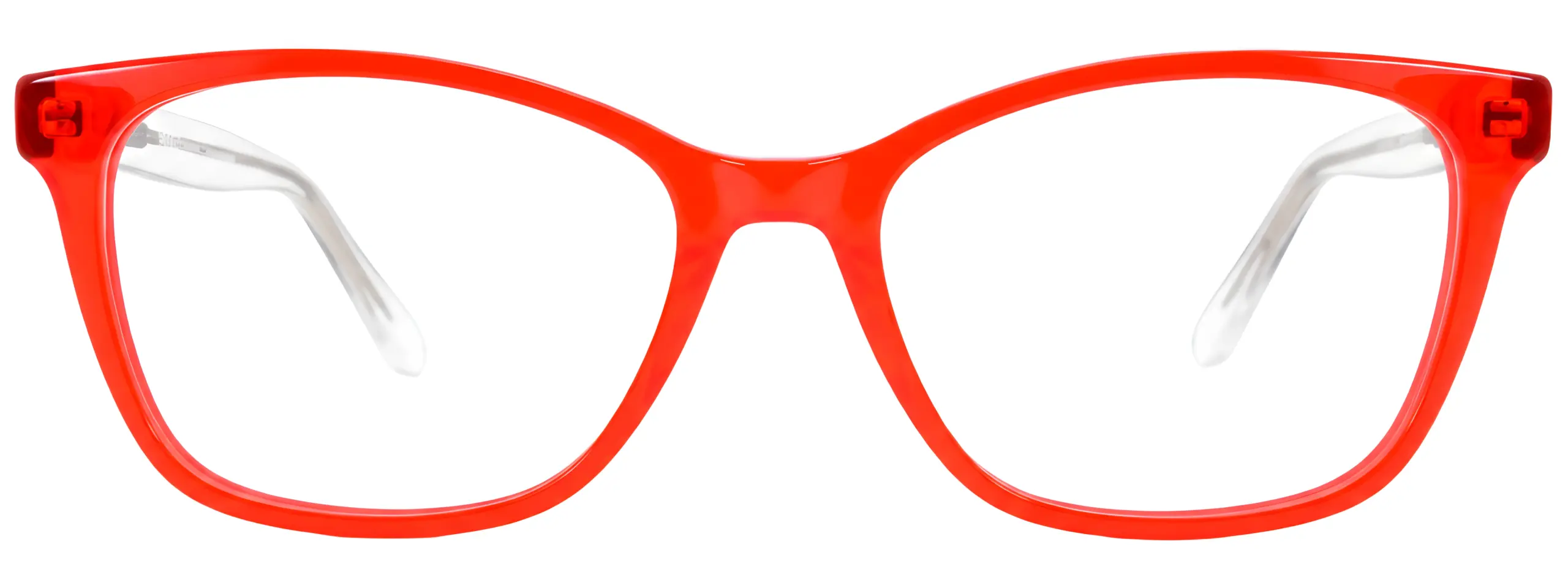
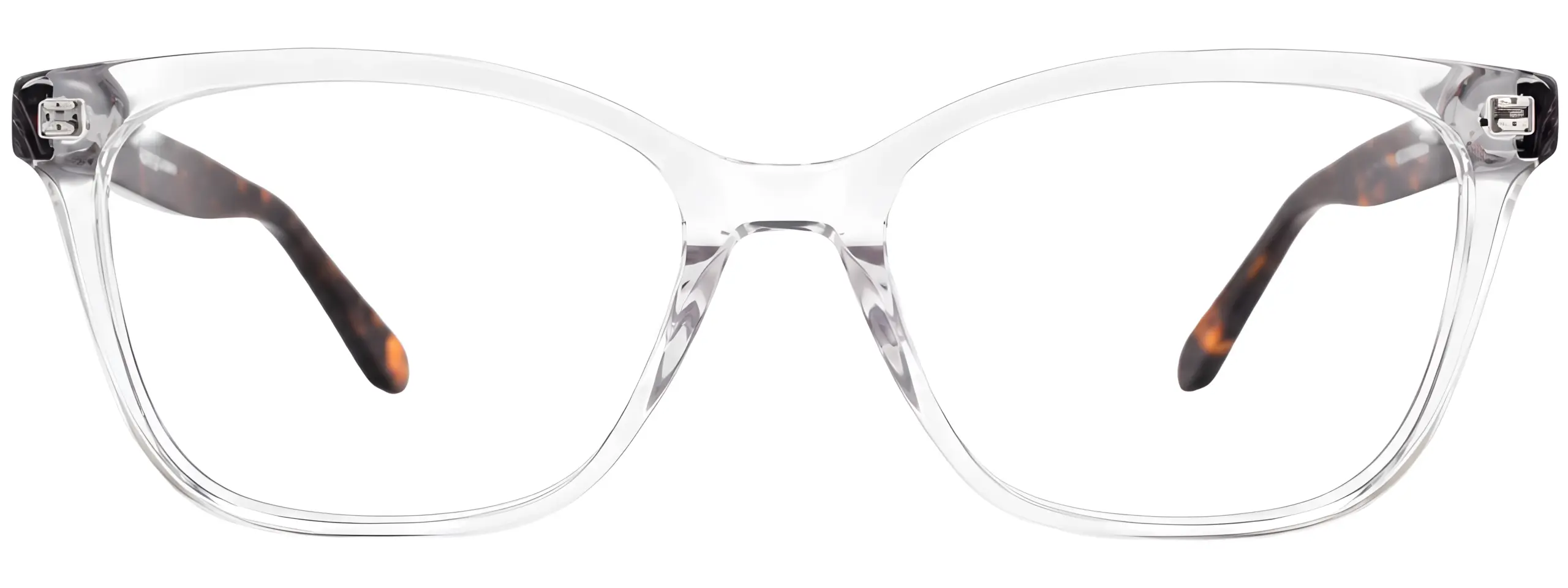
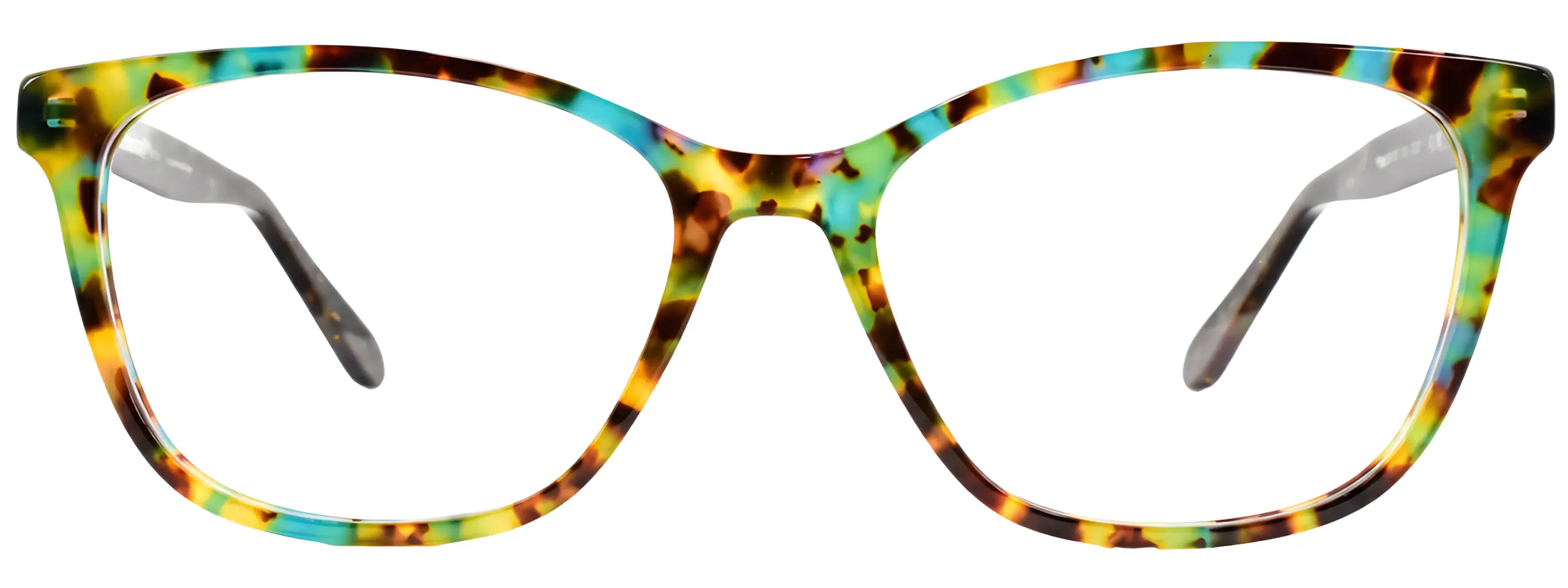
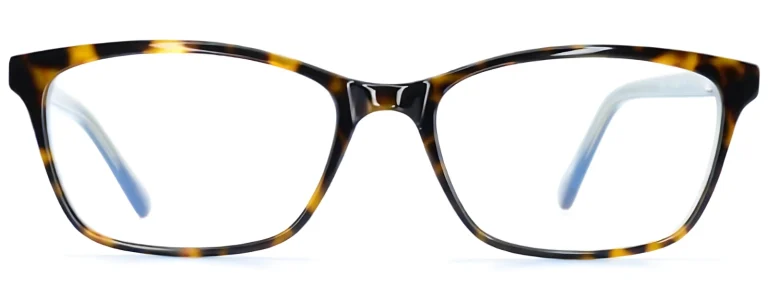
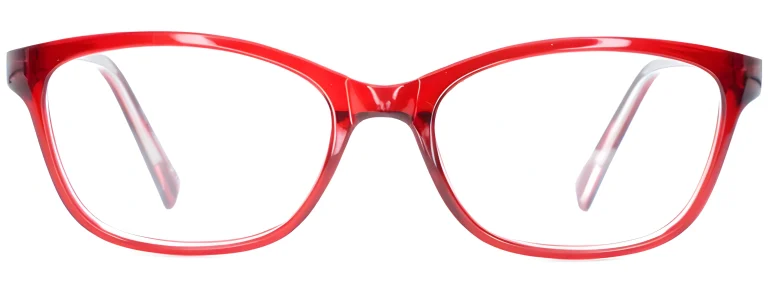
Glasses in a stronger colour, such as tortoiseshell, burgundy or blue, are easier to find on a bedside table or chair arm than clear or very thin frames.
Easy to Put On and Take Off
Simple, sturdy frames with standard hinges are easier to handle than very delicate designs. If your parent finds fiddly items difficult, avoid frames that need careful two-handed handling to unfold.
Let Them Choose
Glasses are worn every day and are part of how someone looks, so involve your parent in the choice wherever you can. Our virtual try-on tool lets them see how frames look on their face using a phone, tablet or laptop camera, which you can do together.
Helpful Lens Options to Consider
Coatings and options are worth a quick look, especially for someone who wears glasses all day:
- Anti-reflective coating reduces reflections from lights, screens and headlights. It’s available on all lens types.
- Anti-scratch coating helps protect lenses from everyday wear.
- Thinner lenses make stronger prescriptions lighter and slimmer.
- Transitions lenses darken outdoors and clear indoors, so there’s one less pair to keep track of.
Make Life Easier With More Than One Pair
A Spare Pair
If your parent relies on their glasses, a spare means a lost or broken pair doesn’t leave them unable to read or see clearly. Our 2 for 1 offer on non-designer frames makes a spare pair easy to add.
Separate Pairs That Are Easy to Tell Apart
If your parent has separate reading and distance glasses, choose two clearly different frames, for example one dark and one coloured. This makes it much easier to pick up the right pair. A small label on each case can help too.
Glasses for a Care Home
If your parent lives in a care home, ask the staff whether they label glasses with residents’ names. A spare pair kept with their belongings is especially useful.
Ordering Online on Their Behalf
You can order glasses online for someone else. You’ll enter their prescription and PD at checkout and can have the glasses delivered to their address or yours. Our step-by-step guide to ordering glasses online in the UK walks you through it.
Double-Check the Details
- Make sure the prescription is the most recent one and is still in date.
- Check that right (R) and left (L) values are entered in the correct boxes.
- Include the ADD value if their prescription has one.
- Confirm the PD before you submit the order.
Ask for Help If You’re Unsure
If anything on the prescription is unclear, or you’re not sure which lenses to choose, contact our team before you order. It’s better to check first than to guess.
Check Delivery and Returns
Delivery times depend on the type of lenses. Varifocal and bifocal lenses take longer to make than standard single vision lenses. See our shipping policy and our refunds and returns policy before ordering.
Help With the Cost
Your parent may be able to get an NHS optical voucher towards the cost of glasses if they receive certain benefits, such as Pension Credit Guarantee Credit. NHS vouchers have to be used in person at an optician and can’t currently be used online. Our guide to using your NHS prescription online explains more.
After the Glasses Arrive
Help your parent try them on and check they sit comfortably and level. If they’ve changed prescription or lens type, it can take a little while to get used to new glasses. If they’ve moved to varifocals, our guide to adjusting to varifocals has tips. Keep their old pair as a backup until they’re settled with the new one.
Frequently Asked Questions
Can I buy glasses for someone else online?
Yes. You’ll need their prescription, their PD and ideally their frame size. You can enter their details at checkout and choose where the glasses are delivered.
How do I get my parent’s glasses prescription?
Your parent should have been given a copy after their eye test. If it’s lost, they can ask the optician who carried out the test for a copy, or you can ask with their permission.
Are eye tests free for elderly people?
Yes. Everyone aged 60 or over is entitled to a free NHS sight test.
Can my parent have an eye test at home?
If they’re entitled to a free NHS sight test and can’t leave home unaccompanied because of illness or disability, they may be able to have a mobile sight test at home or in their care home. Ask a local optician.
Can I use an NHS voucher to buy glasses online?
No. NHS optical vouchers currently have to be used in person at an optician. You can still use an NHS prescription to buy glasses online and pay for them yourself.
What frames are best for an elderly parent?
Lightweight, comfortable frames with a secure fit are a good starting point. Adjustable nose pads, sturdy hinges and a colour that’s easy to spot all help. Involve your parent in the choice so they’re happy to wear them.
What if I don’t know my parent’s frame size?
Check the numbers printed on the inside of the arm of their current glasses. If there aren’t any, our sizing guide shows how to measure the frame.
Should my parent have a spare pair?
It’s a good idea if they rely on their glasses every day. A spare means a lost or broken pair isn’t a crisis.
Helping Them See Clearly
Buying glasses for an elderly parent is mostly about getting the details right: a current prescription, their PD and a frame that fits. Choose something comfortable and easy to live with, involve them in the decision, and consider a spare. When you’re ready, browse our full range of glasses together.