Quick answer: When the coating on your lenses peels, flakes or develops a web of fine cracks, the most common causes are heat, harsh cleaning products and everyday wear. Unfortunately, a damaged coating can’t be patched or re-applied at home. In most cases the fix is new lenses or a new pair of glasses. If your glasses are fairly new, it could be a manufacturing fault, so contact the retailer you bought them from first.
You go to clean your glasses and notice patches where the lens looks different, or a cloudy film that won’t wipe away. Look closer and the coating seems to be lifting off. It’s frustrating, especially if the lenses aren’t very old.
This guide explains what lens coatings are, how to tell coating damage from ordinary scratches, what causes it, and your options once it has happened.
What Is a Lens Coating?
Most modern glasses lenses have one or more very thin layers applied to their surfaces. The two you’re most likely to have are:
- Anti-reflective (anti-glare) coating: several thin layers that cut reflections from screens, lights and headlights. At Glasses Store this is called MAR (multi-layer anti-reflective) coating.
- Anti-scratch (hard) coating: a tougher outer layer that helps protect the lens from everyday marks. See our anti-scratch lenses page.
These coatings sit on top of the lens itself. That’s why, when one fails, it can look like the lens surface is peeling. For more on what anti-reflective coatings do, read our guide to the benefits of anti-reflective and MAR coatings.
How to Tell If Your Lens Coating Is Damaged
Coating damage usually shows up in one of three ways. Unlike smudges, none of them can be wiped away.
Peeling or Flaking
Patches of the coating lift away, often starting at the edge of the lens. The damaged areas can look a slightly different colour or reflect light differently from the rest of the lens.
Crazing
Crazing is a web of very fine, hairline cracks across the coating, a bit like a spider’s web or cracked glaze on a mug. It can make your view look hazy or cloudy, and it’s most visible when you hold the lens up to the light.
A Cloudy or Hazy Film
Sometimes worn coating simply looks cloudy, as if the lens is permanently smudged, even straight after cleaning.
Coating Damage vs Scratches
Scratches are individual lines or marks, usually from grit, dropping your glasses or wiping them on clothing. Coating damage tends to cover an area: patches, a crackle pattern or an overall haze. Both are permanent, but knowing which you have helps you work out the cause.
Why Does Lens Coating Peel or Crack?
A coating and the lens underneath it are made of different materials. When they’re put under stress, they don’t react in the same way, and over time the coating can crack or lose its grip on the lens. These are the most common causes.
Heat
Heat is one of the main causes of crazing. The lens and the coating expand at different rates when they warm up, which puts strain on the coating until it cracks. Common culprits include:
- Leaving glasses in a parked car on a warm day, including in the glovebox or on the dashboard.
- Leaning over a hot oven, hob or barbecue.
- Leaving them on a sunny windowsill.
Harsh Cleaning Products
Household cleaners containing ammonia or alcohol, such as window and glass cleaners, multi-surface sprays and rubbing alcohol, can damage lens coatings and break them down over time. The same applies to strong solvents such as nail varnish remover.
Wiping Lenses When They’re Dry or Dirty
Rubbing a dry lens drags dust and grit across the surface. Doing this day after day, especially with a shirt, tissue or paper towel, gradually wears the coating down. Our guide on how to care for your prescription glasses explains the safe way to clean them.
Age and Everyday Wear
Coatings don’t last forever. Years of cleaning, handling, sun cream, hairspray and general use all take their toll, so some wear on an older pair is normal.
A Manufacturing Fault
Occasionally the coating doesn’t bond properly to the lens when it’s made. If this is the cause, the problem usually shows up early, within the first few months of wearing your glasses.
Can You Fix a Peeling Lens Coating?
In short, not in a way that restores the lens. A coating can’t be patched or re-applied over the damaged area, and there’s no product you can buy that repairs it.
Can the Coating Be Removed?
Some optical labs can chemically strip an anti-reflective coating, but results vary and it doesn’t work on every lens. It’s less likely to work on polycarbonate and high-index lenses. Even when it works, you’re left with a lens that no longer has an anti-reflective coating.
Don’t Try to Remove It at Home
You may see home methods online, such as glass etching cream or abrasive pastes. These aren’t recommended. They can permanently damage the lens surface and leave your glasses worse than before, and they’re especially risky on high-index lenses.
When to Replace Your Glasses
If the damage affects how clearly you can see, particularly for driving or screen work, it’s time for new lenses or a new pair. Cosmetic marks at the very edge of the lens that don’t affect your view are less urgent, but they often spread over time.
What to Do If Your Coating Is Peeling
1. Check How Old Your Glasses Are
If your glasses are fairly new and you haven’t exposed them to heat or harsh cleaners, the coating may have been faulty. Contact the retailer you bought them from and explain what’s happened. If you bought them from Glasses Store, contact our team with your order details and photos of the damage, and see our warranty page.
2. Check Your Prescription Is Still Valid
If you need new lenses, you’ll need a valid prescription. Our guide on how long an eye test prescription lasts in the UK explains how to check.
3. Note Your Current Frame Size
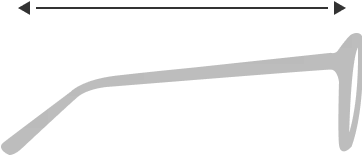
If you’re happy with how your current glasses fit, use the measurements printed on the arm to choose a new pair in the same size. Our guide on how to find your glasses size from your current frames shows you where to look.
4. Order a Replacement
Frames at Glasses Store start from £10, and our 2 for 1 offer on non-designer frames means you can pick up a spare pair at the same time. See our step-by-step guide to ordering glasses online in the UK.
How to Make Your New Lens Coating Last Longer
A few habits make a big difference to how long a coating lasts:
- Keep your glasses away from heat, and never leave them in a hot car.
- Rinse your lenses under lukewarm water before wiping, to wash away grit.
- Clean with a drop of mild washing-up liquid or a lens spray, and dry with a clean microfibre cloth.
- Avoid household glass cleaners, alcohol and other harsh chemicals.
- Store your glasses in a hard case, and never put them down lens-first.
For the full routine, read our guide on how to care for your prescription glasses.
Frequently Asked Questions
Why is the coating on my glasses peeling?
The most common causes are heat, such as leaving glasses in a hot car, harsh cleaning products containing alcohol or ammonia, and wear from wiping dry or dirty lenses. If your glasses are only a few months old, it may be a manufacturing fault.
Can anti-glare coating be repaired?
No. A damaged anti-glare coating can’t be patched or re-applied. Some optical labs can strip the coating off, but this doesn’t work on every lens and leaves the lens without anti-glare protection. In most cases, replacing the lenses or glasses is the better option.
What is lens crazing?
Crazing is a web of fine hairline cracks in a lens coating. It’s often caused by heat and can make your view look hazy. Like peeling, it can’t be wiped off or repaired.
Can I remove the peeling coating myself?
It’s not recommended. Home methods such as glass etching cream or abrasive products can permanently damage the lens, particularly high-index lenses.
How long should a lens coating last?
There’s no fixed lifespan. A well-cared-for coating can last for years, while heat, harsh cleaners and rough wiping can damage it much sooner. A coating that fails within the first few months may be faulty.
Is peeling coating covered by warranty?
It depends on the retailer and the cause of the damage. Contact the retailer you bought from with your order details and photos. Glasses Store customers can contact our team or read our warranty page.
Is it the lens coating or a scratch?
Scratches are individual lines or marks. Coating damage usually covers an area, showing as patches, a fine crackle pattern or an overall haze that won’t wipe away.
Can I get new lenses without anti-reflective coating?
Yes, though it isn’t usually recommended, as anti-reflective coating cuts glare from screens and headlights. At Glasses Store, MAR coating comes as standard on 1.60, 1.67 and 1.74 index lenses and is available as an upgrade on 1.50 lenses. See our lenses hub for all options.
Clear Lenses Again
A peeling or crazed coating can’t be fixed, but it can be avoided next time. Keep your glasses away from heat, skip harsh cleaners, and rinse before you wipe. If your current pair is past saving, browse our full range of glasses. Every pair is glazed in-house, with MAR coating available on all lens types.