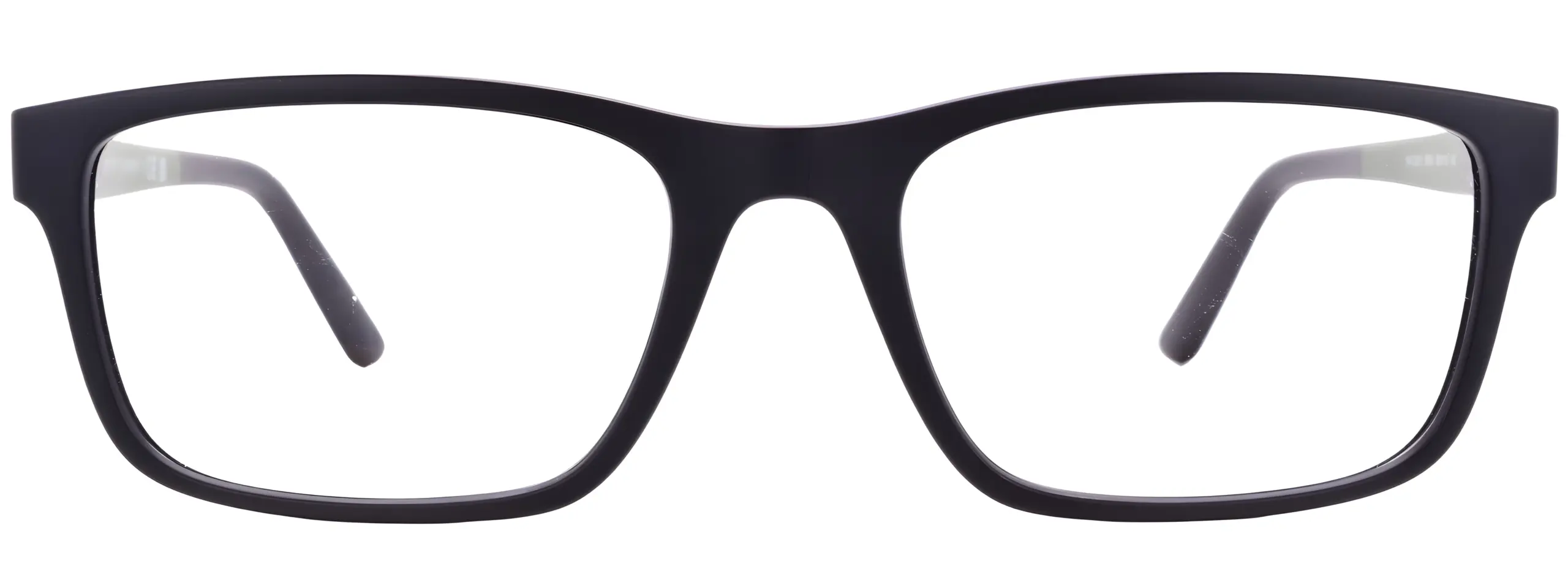
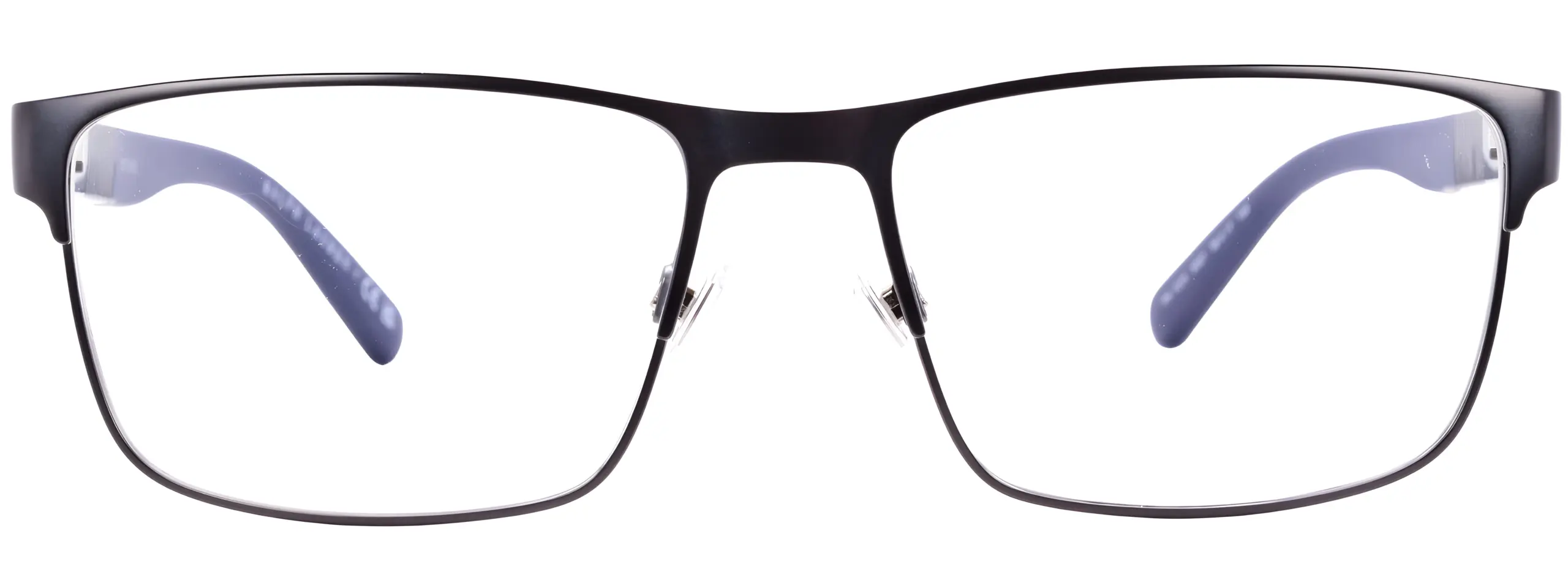
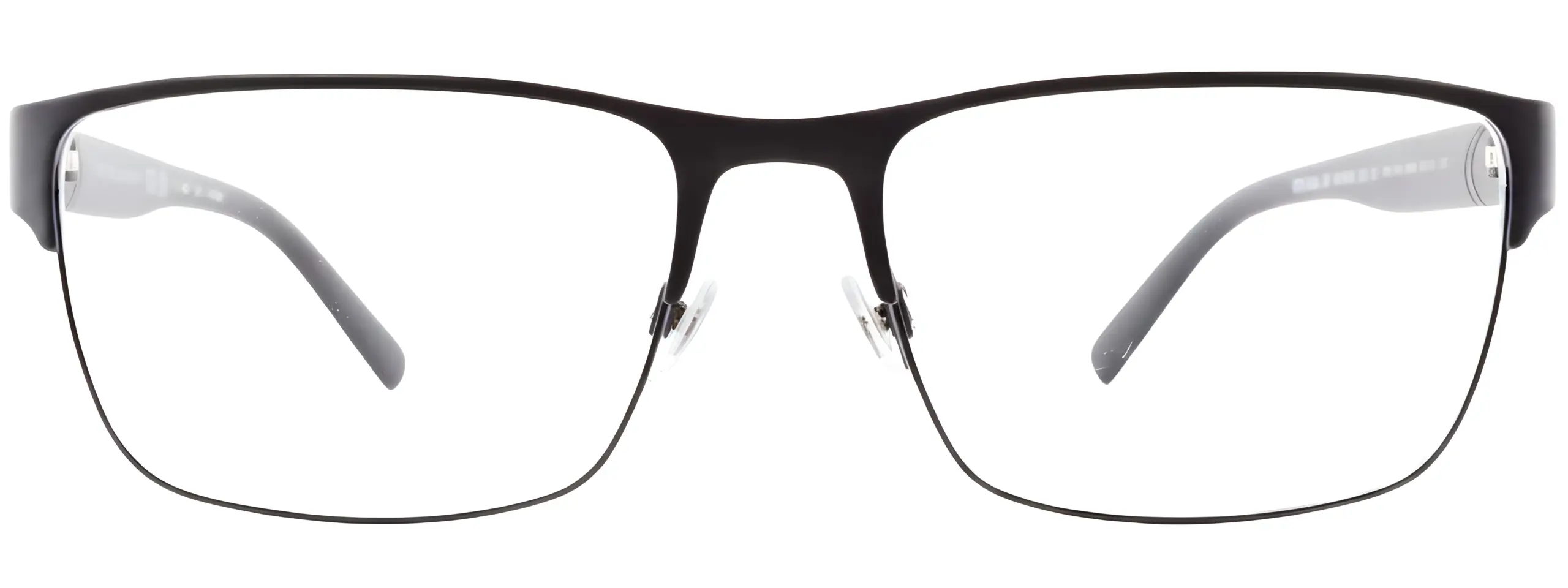
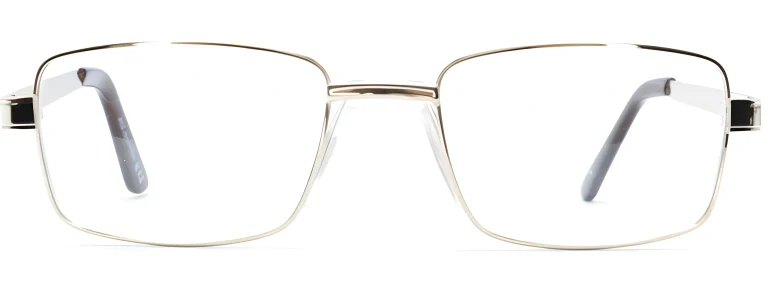



If your optometrist has told you that you need glasses for more than one viewing distance, you’ll likely be choosing between varifocal and bifocal lenses. Both solve the same problem — they provide different prescriptions within a single lens so you don’t need to carry two pairs of glasses — but they do it in different ways, and the right choice depends on your prescription, your daily activities, and your personal preferences.
This guide explains exactly how each lens type works, who they’re suited to, and what to expect when you get your first pair.
Why Would You Need Multifocal Lenses?
As the eye ages, the natural lens inside the eye gradually loses its flexibility. This makes it harder to shift focus between different distances — a condition called presbyopia. It typically becomes noticeable in the early to mid-40s and progresses gradually over time. Almost everyone develops presbyopia to some degree with age.
Presbyopia means you may need a different prescription for distance (such as driving) than for reading or computer work. Rather than carrying separate pairs of glasses for each task, bifocal and varifocal lenses combine the required prescriptions into one pair.
Bifocal Lenses: How They Work
Bifocal lenses are divided into two clearly defined zones, separated by a visible horizontal line across the lens:
- Upper portion: Your distance prescription — for driving, watching television, or looking across a room.
- Lower portion: Your reading prescription — for books, menus, phones, and other close-up tasks.
To use them, you simply look through the appropriate part of the lens — up for distance, down for near. The transition is abrupt: there is no intermediate zone between the two prescriptions. This means that computer screens, which are typically viewed at an arm’s length distance (intermediate vision), are not well covered by a standard bifocal.
Bifocal lenses have been in use for well over two hundred years. They are straightforward, reliable, and usually less expensive than varifocals. Many people adapt to them quickly.
The downsides are the visible dividing line — which some people find cosmetically noticeable — and the absence of the intermediate zone, which can be a significant limitation if you spend a lot of time working at a computer or frequently shift focus across multiple distances throughout the day.
Varifocal Lenses: How They Work
Varifocal lenses (also known as progressive lenses) provide a smooth, continuous gradient of power from the top of the lens to the bottom, with no visible dividing line:
- Top of the lens: Distance vision (driving, watching television)
- Middle of the lens: Intermediate vision (computer screens, dashboard, arm’s length tasks)
- Bottom of the lens: Near vision (reading, phone, close-up tasks)
This progression allows you to look through different zones of the lens naturally by adjusting where your gaze falls — without any abrupt jump between prescriptions. There is no visible line, so varifocal lenses look exactly like standard single-vision glasses from the outside.
The intermediate zone — which bifocals lack entirely — is one of the main reasons many opticians recommend varifocals for people who use computers regularly or frequently move between distances throughout their day.
Varifocals do have a short adaptation period. When you first wear them, you may notice mild blurring, distortion, or slight dizziness at the periphery of your vision. This is normal and typically resolves within a few days to a few weeks as your brain learns to use the different zones of the lens. The best approach is to wear them consistently during the adaptation period rather than switching back to old glasses.
Comparing Bifocal and Varifocal: Key Differences
| Bifocal | Varifocal | |
|---|---|---|
| Visible line? | Yes — horizontal line across the lens | No — smooth gradient, no visible line |
| Vision zones | Two: distance and near | Three: distance, intermediate, near |
| Intermediate (computer) vision? | Not provided | Yes — central portion of the lens |
| Adaptation period? | Short — usually a day or two | Longer — typically days to two weeks |
| Appearance | Visible segment line | Indistinguishable from single-vision lenses |
| Cost | Generally lower | Generally higher due to lens complexity |
| Best suited to | Those who mainly switch between reading and distance | Those who need vision at multiple distances, especially screen users |
Which Is Better for Computer Work?
Varifocals are generally the better choice for people who use computers regularly. The intermediate zone of the varifocal lens is specifically suited to the arm’s-length distance of a typical monitor, which a standard bifocal cannot address. If your work involves extended screen time, a varifocal — or a dedicated occupational lens — is likely to be more comfortable.
For a detailed look at lenses designed specifically for screen and desk work, see our guide to occupational lenses.
What About Reading Glasses?
Some people with presbyopia prefer a separate pair of reading glasses rather than a multifocal lens. This is a perfectly valid option, particularly if your distance vision is good without correction and you only need help for close work. Reading glasses are single-vision lenses designed for near tasks — they are not suitable for driving or distance vision.
Getting the Right Lenses for Your Prescription
Both bifocal and varifocal lenses require an ADD value on your prescription — the extra power needed for near tasks. If your prescription doesn’t include an ADD, you don’t yet need multifocal lenses. If you’re unsure what your prescription means, our guide on how to read your glasses prescription covers every value including ADD in detail.
The frame you choose for varifocal lenses matters: the lens needs sufficient depth (vertical height) to accommodate all three zones. Frames with a lens height of at least 30–32mm are generally recommended. Very shallow or rimless frames can limit the usable area of a varifocal lens. At Glasses Store, the team can advise on suitable frame choices for varifocal prescriptions.
Ordering Varifocal or Bifocal Lenses at Glasses Store
Glasses Store offers both bifocal and varifocal lenses, glazed in-house. You select your lens type during the ordering process and enter your full prescription, including the ADD value. All frames in the shop can be ordered with multifocal lenses. If you have questions about which lens type is right for your prescription and lifestyle, the team is happy to advise via the contact page.
If you’re new to ordering glasses online, our guide on what happens after you order glasses online explains what to expect from the moment you place your order through to delivery.
For clinical information on presbyopia and multifocal lenses, the College of Optometrists and the Association of British Dispensing Opticians (ABDO) both publish patient resources on their websites. Always consult a registered optometrist or dispensing optician for advice specific to your prescription and visual needs.