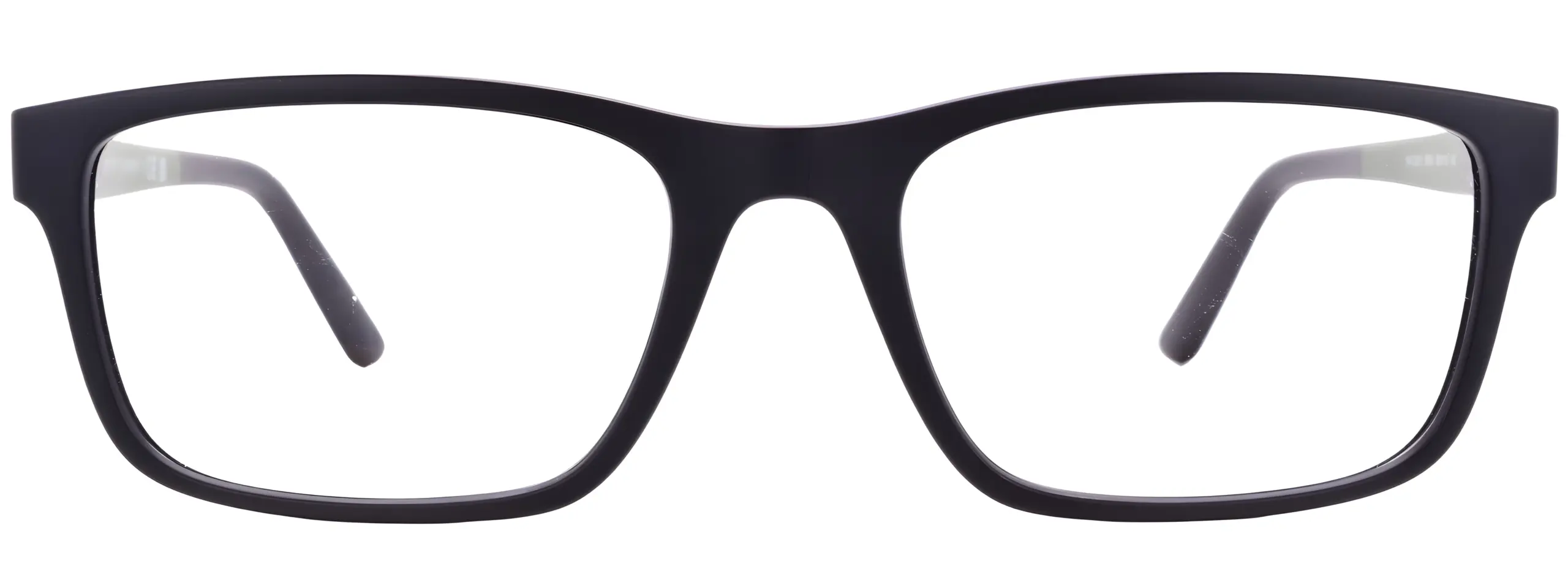
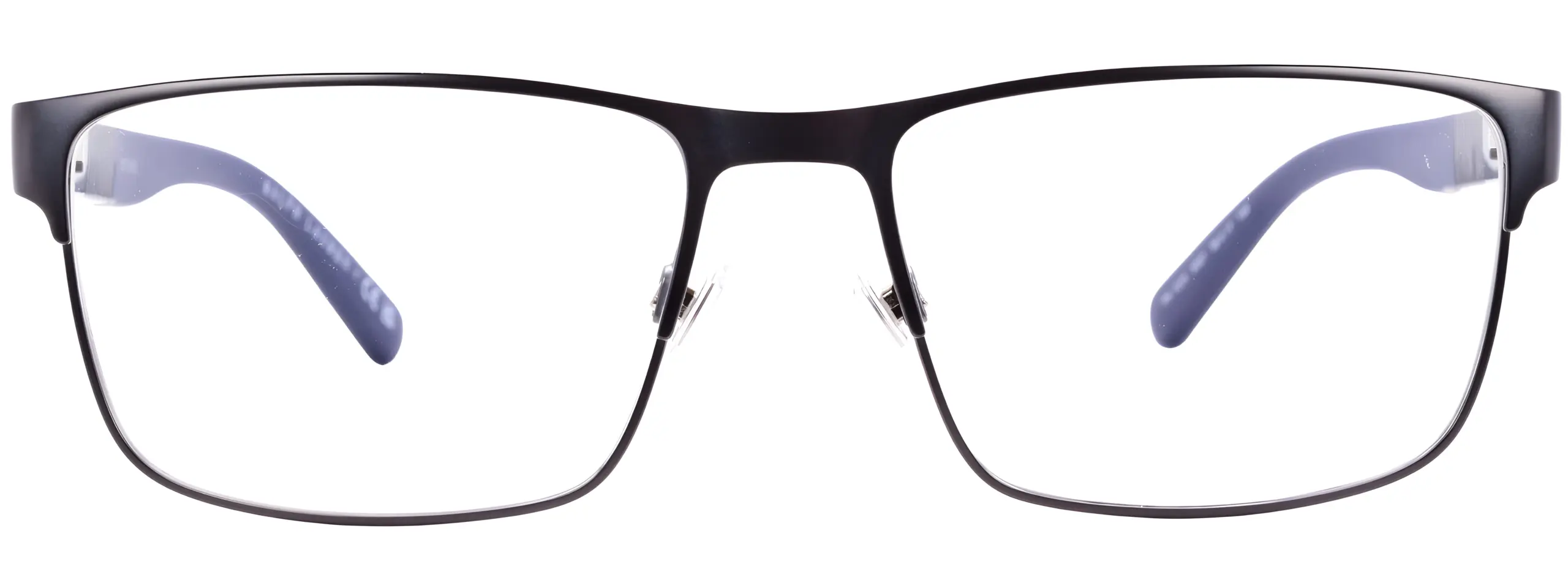
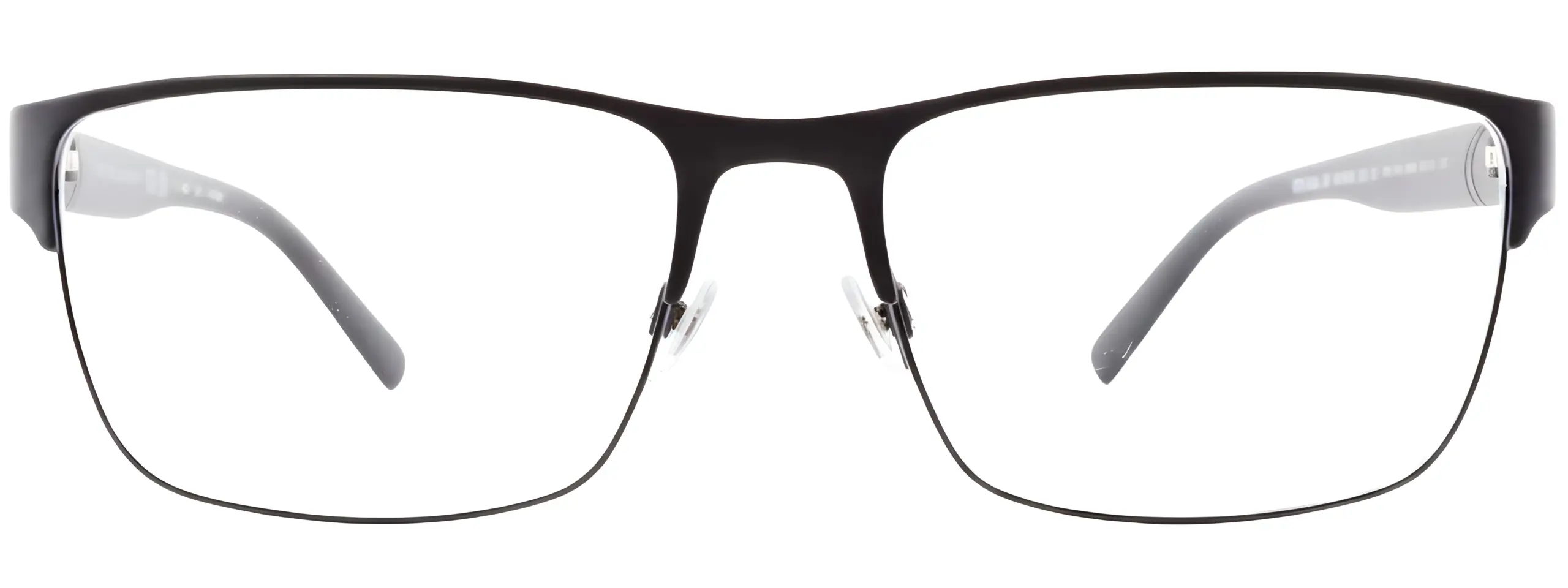
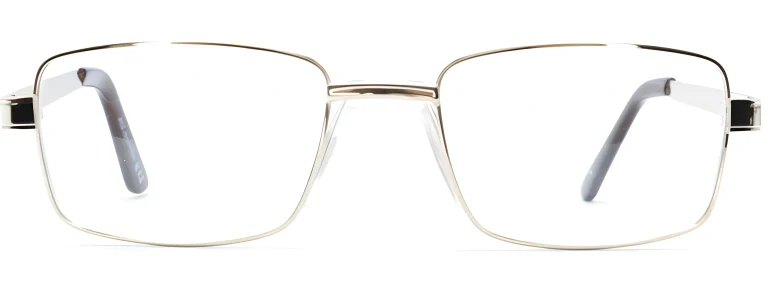


Non-Prescription Lenses
All the benefits of a quality lens — without a prescription.
Who are they for?
What coatings can I add?
Do I need to enter a prescription?
What would you like your lenses to do?
All coatings available on non-prescription lenses
Anti-scratch
Anti-reflective (MAR) - optional upgrade
Blue light filter — optional upgrade
Transition — optional upgrade
Sunglass tint — optional upgrade
Polarised — optional upgrade
How to order non-prescription lenses
Ready to order your non-prescription glasses?
Frequently asked questions
What are non-prescription lenses?
Non-prescription lenses, also called plano lenses, carry zero optical power — they do not correct vision. They are fitted into frames for style, screen protection, sun wear or glare reduction. Any coating we offer can be added to a non-prescription lens.
Do I need to provide a prescription to order?
No. When selecting non-prescription lenses at checkout, no prescription details are required. You simply choose your frame and preferred coating and our team will glaze the lenses in-house.
Can I get blue light glasses without prescription?
Yes. Blue light filter is available on non-prescription lenses. Select non-prescription at the lens type step and then choose blue light filter as your coating. No prescription is needed.
Can I get prescription sunglasses without a prescription?
Yes — though they would not be prescription sunglasses in the optical sense. You can have any frame fitted with a sunglass tint or polarised coating at zero optical power, giving you non-prescription sunglasses in your chosen frame.
How long does delivery take on non-prescription orders?
Delivery time depends on the coating chosen. Standard clear lens orders placed before 3pm may qualify for next-day delivery. Orders with coatings such as transition or tinted lenses may take longer. Exact lead times are shown during checkout.
Which lens index should I choose for non-prescription lenses?
For non-prescription lenses, the index choice is primarily about lens weight and thickness rather than prescription strength. The standard 1.50 index is suitable for most frames. A higher index will produce a thinner, lighter lens — which can be beneficial in larger or heavier frame styles.