


Lens coating
Occupational Glasses
Prescription lenses designed for close to intermediate working distances — reading, screens, and colleagues across the desk. A wider, more comfortable field of view than standard varifocals for indoor environments.
How they work
Built for where you spend your working day.
Occupational lenses are multifocal lenses that prioritise the distances most used in indoor working environments — from close reading at around 30–40cm to intermediate distances of up to 4 metres. Unlike standard varifocals, they do not include a distance zone for driving or general outdoor use.
What makes them different from varifocals?
A standard varifocal divides the lens into three zones — distance at the top, intermediate in the middle, near at the bottom. Each zone is relatively narrow. Occupational lenses remove the distance zone entirely and redistribute that space to give a much wider intermediate and near zone. The result is a larger, more comfortable area of clear vision exactly where you need it at your desk.
What distances do they cover?
Occupational lenses typically cover distances from around 30cm — reading a document — up to approximately 4 metres, which is enough to see colleagues across a desk or room clearly. The upper part of the lens handles intermediate distances such as screens and whiteboards, while the lower part is optimised for near tasks such as reading and writing.
Can I use them for driving?
No. Occupational lenses do not include a distance prescription and are not suitable for driving, walking outdoors or any situation requiring clear long-range vision. They are designed exclusively for indoor, task-based environments. If you drive, you will need a separate pair of distance or varifocal glasses for use outside.
Lens zones compared
Occupational vs standard varifocal
The key difference is where the lens space is allocated. Occupational lenses give you a far wider intermediate and near zone — making desk work significantly more comfortable.
Reduced glare
Three equal zones. Narrow intermediate channel — requires head movement to find clearest screen zone.
Sharper vision
More light passes through the lens rather than reflecting off it — resulting in slightly sharper, higher contrast vision.
Who are they for
Occupational glasses are ideal for
Anyone who spends long periods working at close to intermediate distances — whether in an office, studio, classroom or salon.
Office and desk workers
Switching between a monitor, keyboard, documents and colleagues is the core use case. Occupational lenses handle all of these distances comfortably without head movement.
Hairdressers and beauty therapists
Working close to clients while also needing to see across the salon clearly. The wide intermediate zone is well-suited to this type of varied close-range work.
Teachers and lecturers
Reading notes, viewing a screen and looking out at a classroom or audience — all within the intermediate range that occupational lenses cover well.
Musicians
Reading sheet music while also being able to see the conductor or fellow musicians — a classic intermediate vision task that standard reading glasses cannot handle.
Technicians and craftspeople
Detailed close-up work combined with the need to see tools, equipment or workbenches at arm's length. Occupational lenses cover both distances clearly.
Home workers
Working from home involves the same visual demands as an office — screens, documents and video calls — making occupational lenses just as relevant outside a traditional workplace.
Comparison
How do occupational lenses compare?
Occupational lenses sit between reading glasses and varifocals — wider than reading, more task-focused than varifocals.
Feature
Reading glasses
Varifocal
Occupational
Near vision (reading)
✓ Yes
✓ Yes
✓ Yes
Intermediate (screens, desk)
No
Narrow zone
✓ Wide zone
Distance vision (driving)
No
✓ Yes
No
Suitable for driving
No
✓ Yes
No
Field of view at desk
Fixed near only
Moderate
✓ Widest
Adjustment period
None
1–2 weeks
Short
Lens index
Available across all four indexes
Occupational lenses are available in all four indexes. Choose based on your prescription strength.
How to order
How to order occupational glasses
1
Choose a frame
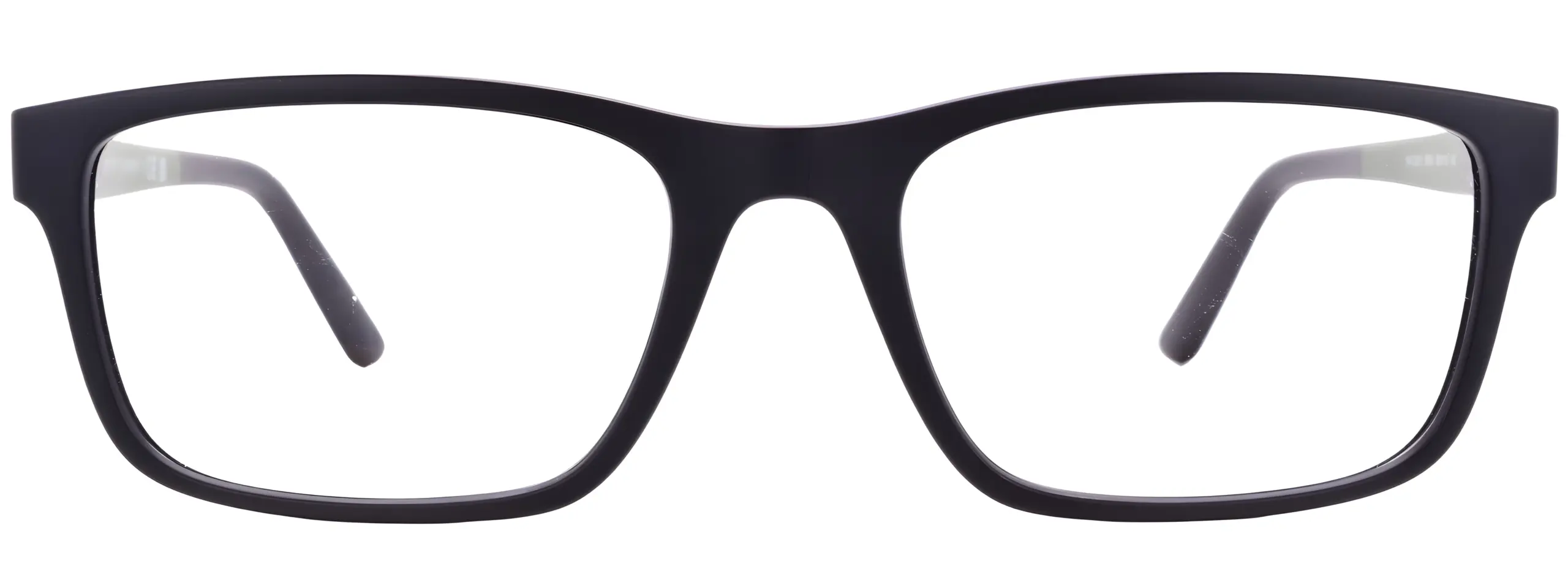
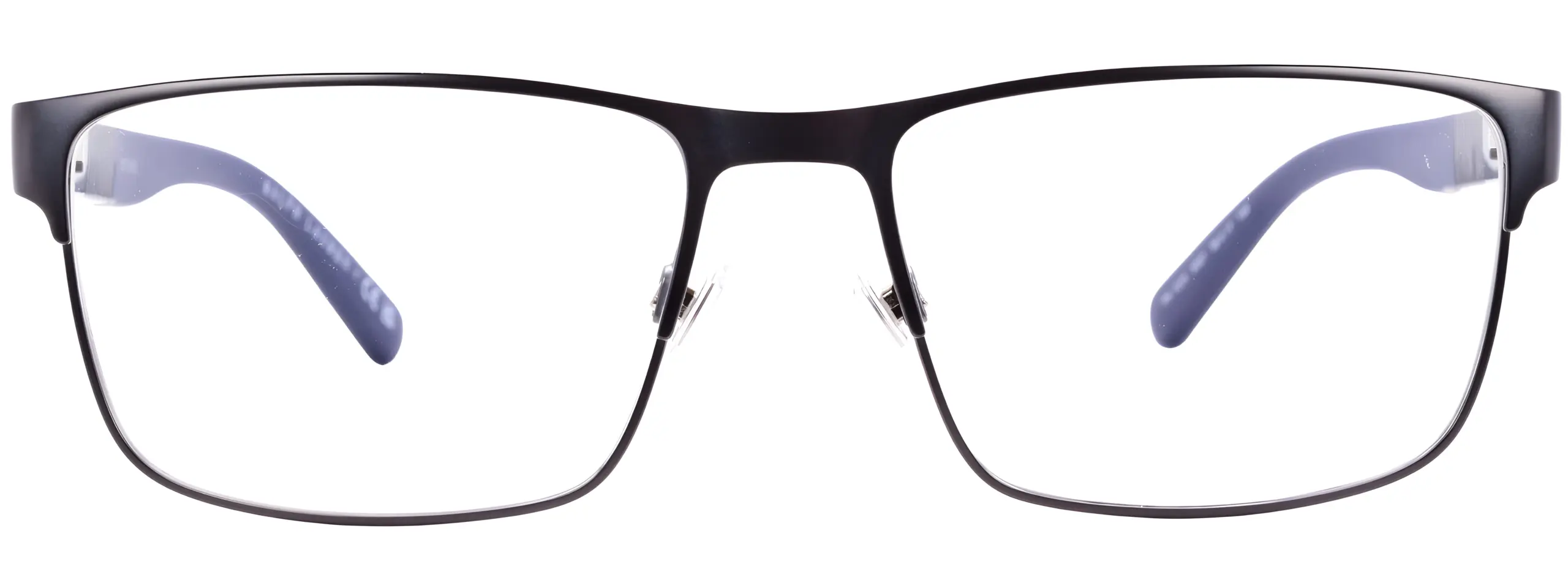
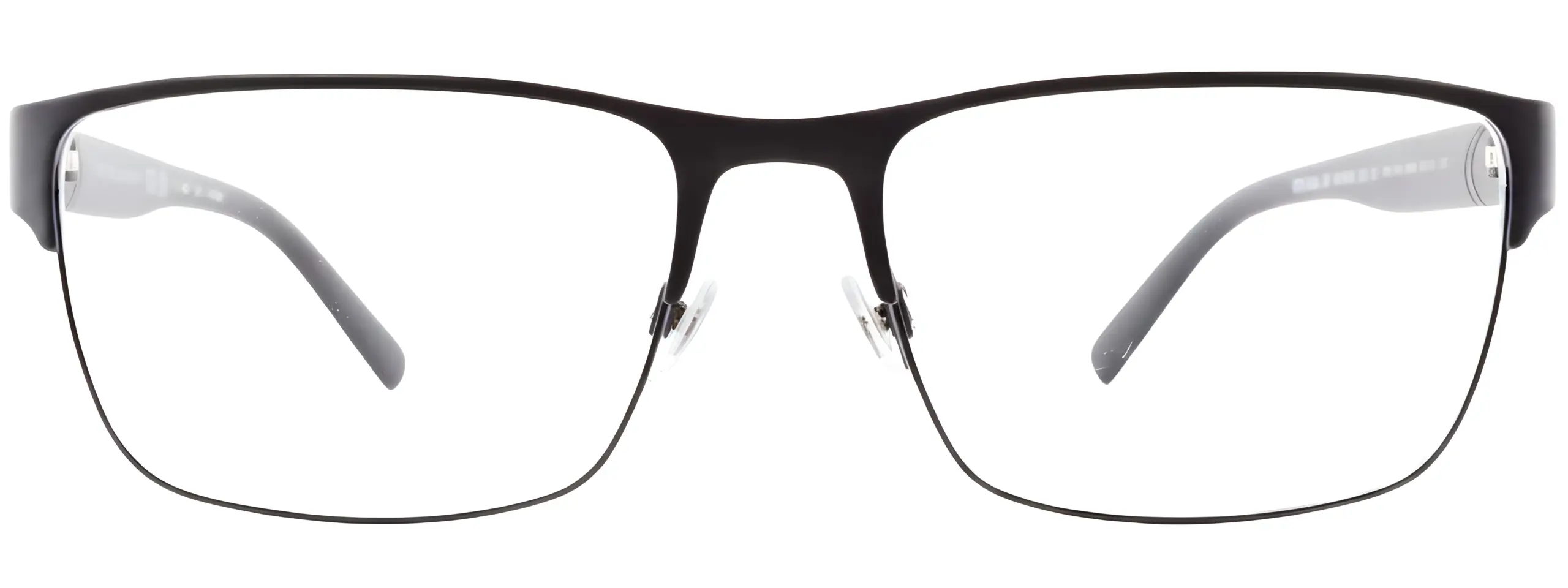
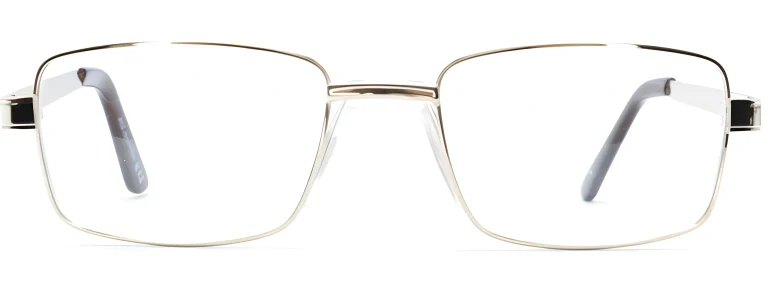
Browse our full range from £10. Any frame can be fitted with occupational lenses. Lightweight frames are a popular choice for all-day desk wear.
2
Select Occupational Office
Choose varifocal at the lens type step, then select the Occupational Office package. This is our specialist option for desk and indoor working environments.
3
Enter your prescription
Enter your SPH, CYL, AXIS, ADD and PD values. Your ADD value determines the near zone power — occupational lenses use this alongside your distance values to build the correct working range.
Ready to order your occupational glasses?
Prescription occupational glasses from £10. Wider intermediate zone than standard varifocals — designed for desk, screen and indoor working environments. All lenses glazed in-house.
FAQ
Frequently asked questions
What is the difference between occupational lenses and varifocals?
Standard varifocals divide the lens into three zones — distance, intermediate and near — each of moderate width. Occupational lenses remove the distance zone entirely and use that space to create a much wider intermediate and near zone. The result is a larger, more comfortable field of clear vision at desk and screen distances. The trade-off is that occupational lenses are not suitable for driving or general outdoor use — you will need a separate pair for those situations.Do I need a special prescription for occupational lenses?
Your standard prescription is sufficient — no special occupational prescription is needed. You will need to have an ADD value on your prescription, as this determines the near zone power. If your prescription does not include an ADD value, single vision computer lenses are likely the more appropriate option for screen use.Can I wear occupational glasses all day?
Yes — within an indoor working environment. Many wearers use their occupational glasses throughout the working day and switch to distance or varifocal glasses when driving or going outdoors. Occupational glasses are not suitable for driving, so always ensure you have a separate pair for use outside.Are occupational glasses only for office workers?
No. The name is somewhat misleading — occupational lenses are suitable for anyone who needs clear vision across close to intermediate distances for extended periods. Hairdressers, beauty therapists, teachers, musicians, craftspeople and home workers all benefit from the wider working zone that occupational lenses provide. If your work or hobby involves sustained close to intermediate visual tasks, occupational lenses are worth considering.What is the maximum distance occupational lenses can see clearly?
Occupational lenses typically provide clear vision from around 30cm up to approximately 4 metres — enough to see clearly across a desk, a salon, a classroom or a stage. Beyond that distance, vision will become progressively blurred as the lens is not designed for long-range correction. For anything beyond around 4 metres, a separate pair of distance or varifocal glasses is required.