



Ordering glasses online is straightforward once you know what to expect. This step-by-step guide walks you through the entire process, from having an eye test to receiving your glasses, so you can order with confidence the first time.
Step 1: Get an Up-to-Date Eye Test
You’ll need a current, valid prescription before you order. In the UK, adult glasses prescriptions are typically valid for two years from the date of issue. If yours is older than two years, or if your vision has changed noticeably, you’ll need a new eye test first.
Eye tests are available at high street opticians across the UK. You may be entitled to a free NHS-funded eye test depending on your age or circumstances — eligibility criteria are available at nhs.uk. If you don’t qualify for a free test, private eye tests typically cost £20–£60.
After your test, the optometrist must give you a written copy of your prescription. You do not have to buy glasses from them — the prescription is yours to use wherever you choose. See our guide on whether you can use your NHS prescription online for more detail on this.
Step 2: Understand Your Prescription
Your prescription will contain abbreviations and numbers that may not be immediately obvious. The main values you’ll need when ordering are:
- SPH — your main lens power (negative for short-sightedness, positive for long-sightedness)
- CYL — astigmatism correction, if applicable
- Axis — the orientation of your astigmatism correction (only present if you have a CYL value)
- ADD — additional near power (only present if you need varifocal or reading lenses)
For a complete guide to every field on your prescription, see our guide on how to read your glasses prescription.
Step 3: Measure Your Pupillary Distance (PD)
Your Pupillary Distance (PD) is the measurement in millimetres between the centres of your pupils. It’s used to position the optical centre of each lens correctly in front of your eye, which is important for comfortable, accurate vision.
PD is not always included on a UK glasses prescription — your optician may have measured it when they last dispensed your glasses in-store. If it isn’t on your prescription, you can ask your optician for it, or measure it yourself at home using a ruler and a mirror.
Our guide to what PD is and why it matters when ordering glasses online explains exactly how to do this.
Step 4: Choose Your Frames
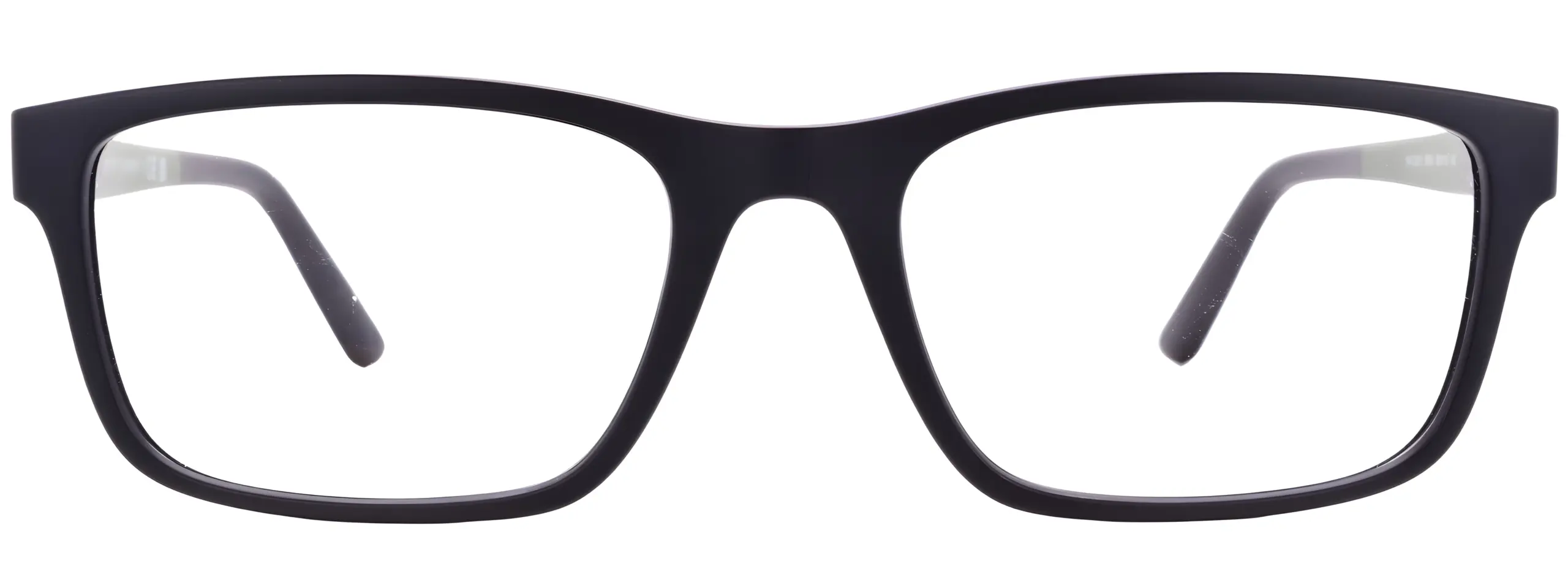
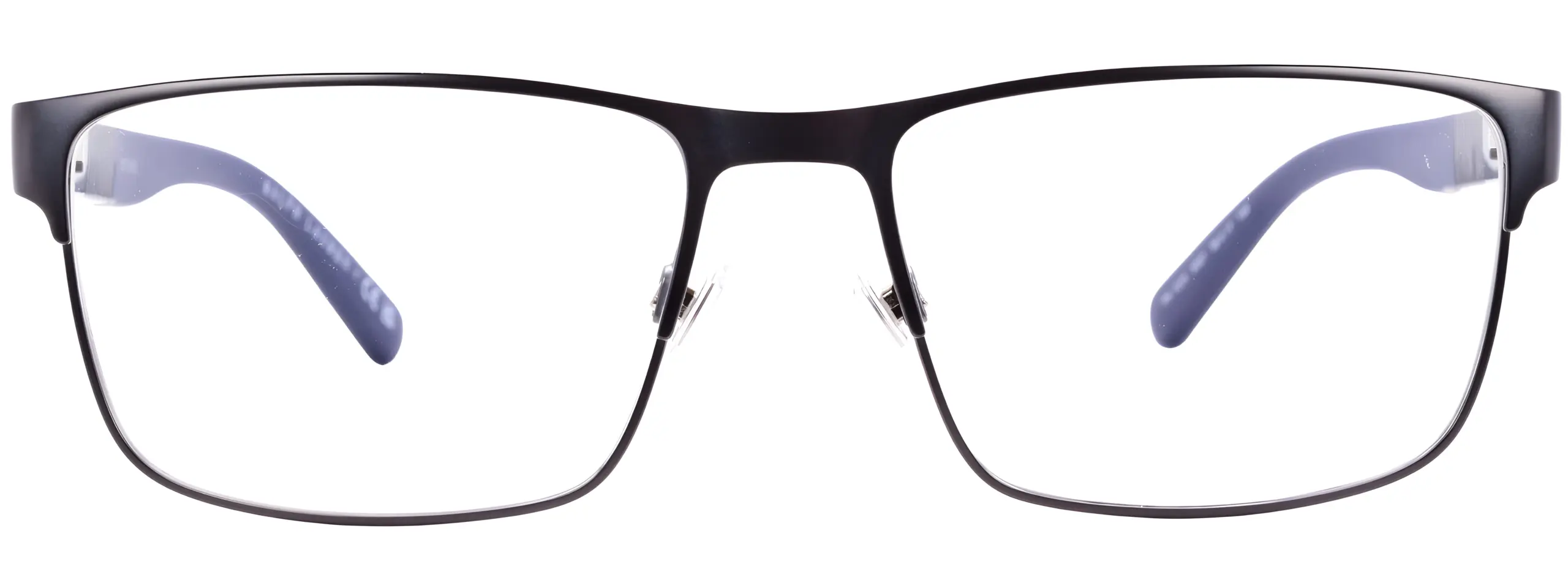
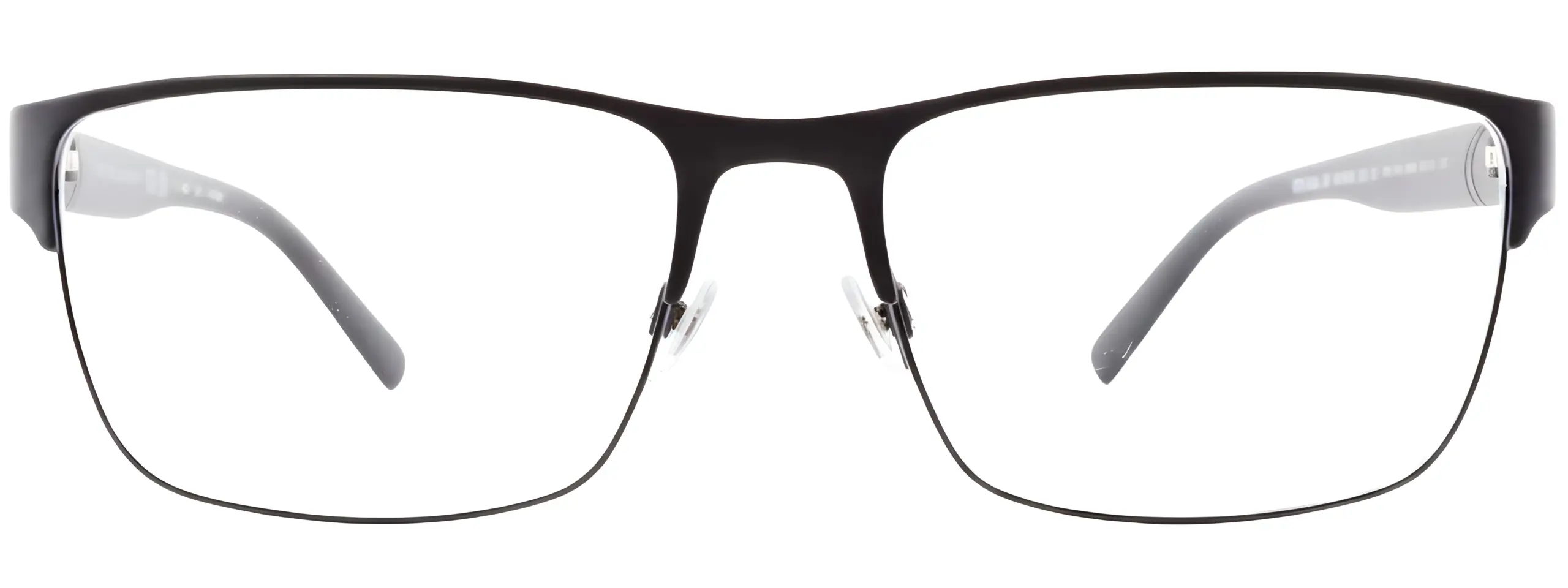
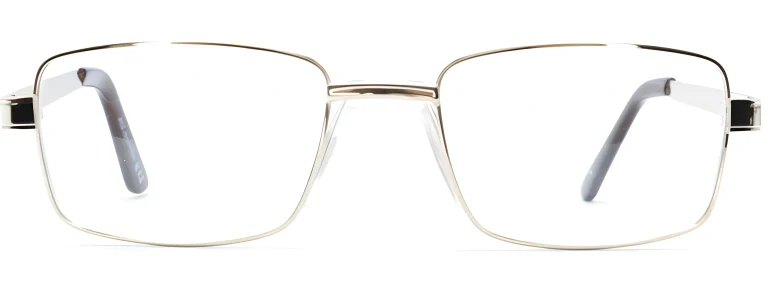
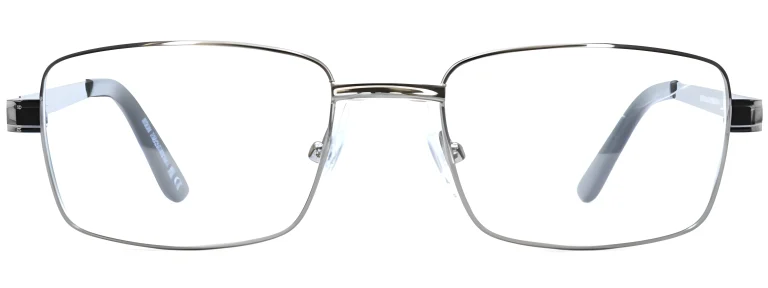
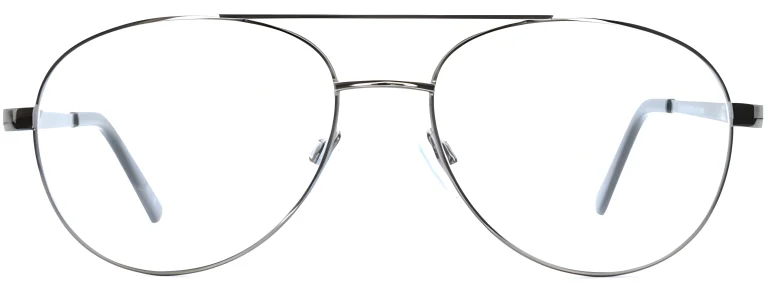
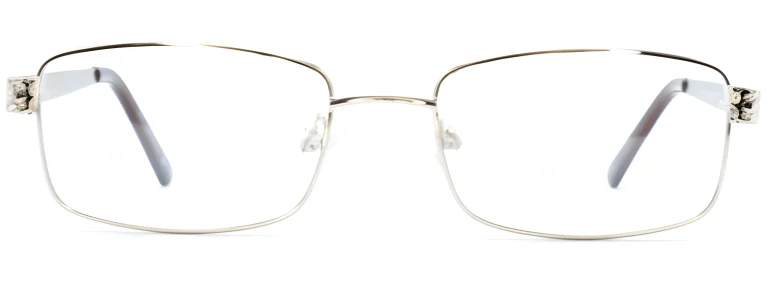
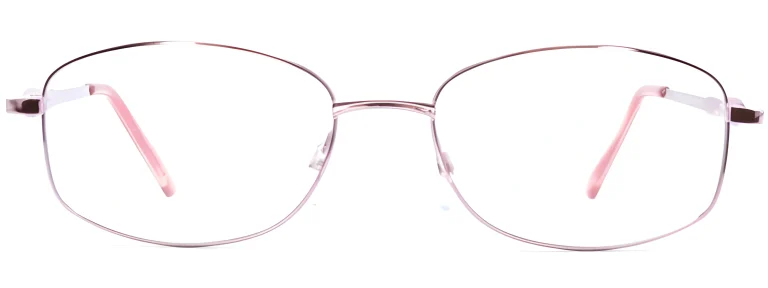
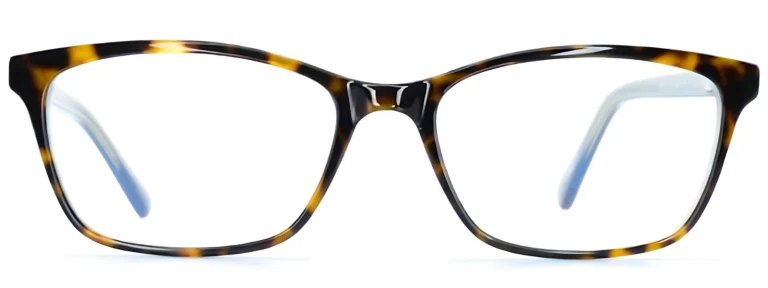
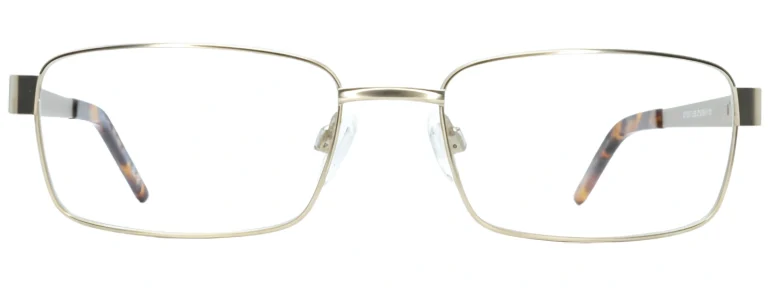
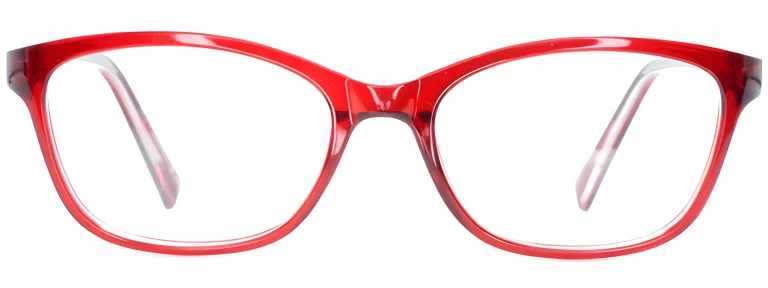
At Glasses Store, you can browse the full range of frames filtered by gender, frame shape, colour, material, and price. The size filters — lens width, bridge width, and arm length — make it easy to find frames that fit your face.
If this is your first pair of glasses, or you’re unsure what style suits you, a good starting point is to consider your face shape:
- Round faces generally look good with angular frames — rectangular or square styles create a nice contrast.
- Oval faces suit almost any shape — see our guide to glasses for oval faces for more detail.
- If you have a smaller face, our guide to glasses for smaller faces covers the best frame sizes and proportions.
The full Glasses Store range includes designer frames from brands including Ray-Ban, Oakley, Michael Kors, Prada, Ralph Lauren, Versace and Emporio Armani, alongside a wide selection of house brand frames starting from £10.
Step 5: Choose Your Lens Type and Options
Once you’ve chosen a frame, you’ll select your lens type and any optional coatings. The main options are:
Lens Type
- Single vision — one prescription across the whole lens (most common)
- Varifocal — multiple prescriptions in one lens with no visible line (for presbyopia)
- Bifocal — two prescriptions separated by a visible line
- Non-prescription — clear lenses with no prescription
If you’re unsure which lens type you need, check whether your prescription includes an ADD value. If it does, you’ll need varifocal or bifocal lenses (or a separate pair of reading glasses). If it doesn’t, you need single vision.
Lens Coatings
- Anti-reflective (anti-glare) — reduces reflections and improves clarity, especially at night and on screens. Widely recommended for everyday use.
- Scratch-resistant — adds durability to the lens surface
- Transitions — lenses that darken in sunlight and return to clear indoors
- Blue light filtering — filters blue-wavelength light from screens
- Polarised / tinted — for prescription sunglasses
Lens Index
Lens index refers to how thin and lightweight the lens material is. Standard 1.5 index lenses are fine for lower prescriptions. If your SPH is above ±3.00, a higher index (1.6 or 1.67) will produce a noticeably thinner, lighter lens. Glasses Store offers multiple index options — the team can advise on the most suitable choice for your prescription if you’re unsure.
Step 6: Enter Your Prescription on the Lens Section
At the lens section, you’ll enter your prescription values from your written prescription. Enter the values exactly as they appear — including the + or – sign for SPH and CYL. You’ll also enter your PD at this stage.
If your prescription includes a prism correction, you can add it in the relevant field. If any value is blank on your prescription (for example, if there’s no CYL), leave that field empty or enter 0 as instructed.
Step 7: Checkout, Pay and Wait for Delivery
After placing your order, Glasses Store’s in-house glazing team cuts and fits your lenses to your chosen frames. For standard single vision orders placed before 3pm, next day delivery is available. More complex orders — varifocal, bifocal, or high prescriptions — take a little longer. See the shipping policy for current dispatch times.
For a detailed walkthrough of what happens between placing your order and receiving your glasses, read our guide on what happens after you order glasses online.
What If They Don’t Fit or Feel Right?
Glasses Store offers free 90-day returns, refund on the frame only and a 12-month frame warranty. If your glasses don’t feel comfortable or you’re not happy with them, you can return or exchange them. Full details are in the refunds and returns policy.
NHS eye test entitlement is available at nhs.uk. Your right to take your prescription to any optical retailer is confirmed by the General Optical Council. This guide reflects UK practice as of 2026.