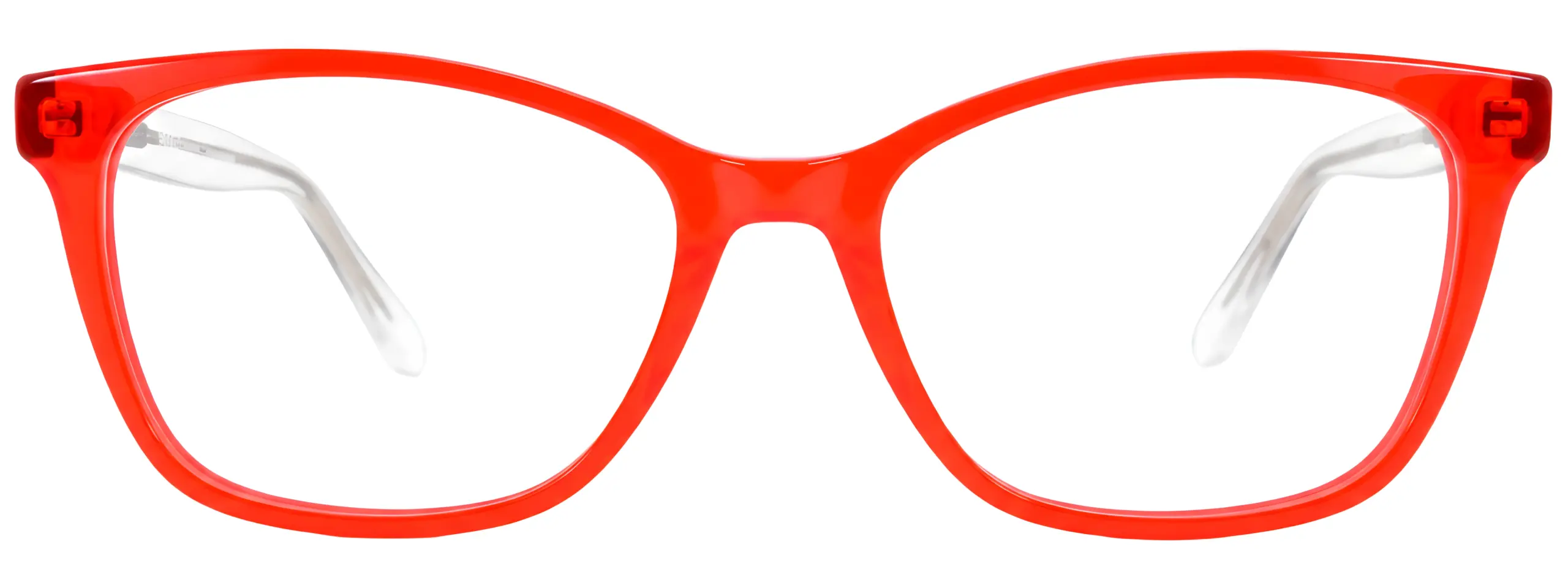
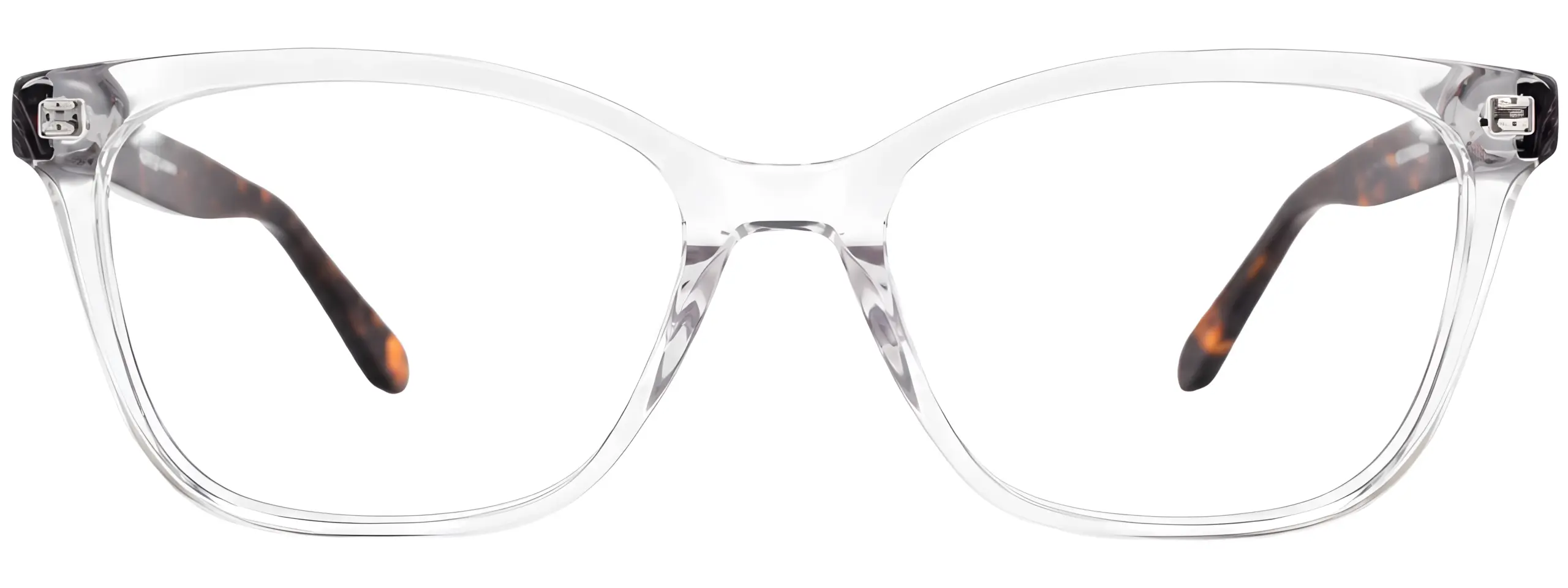
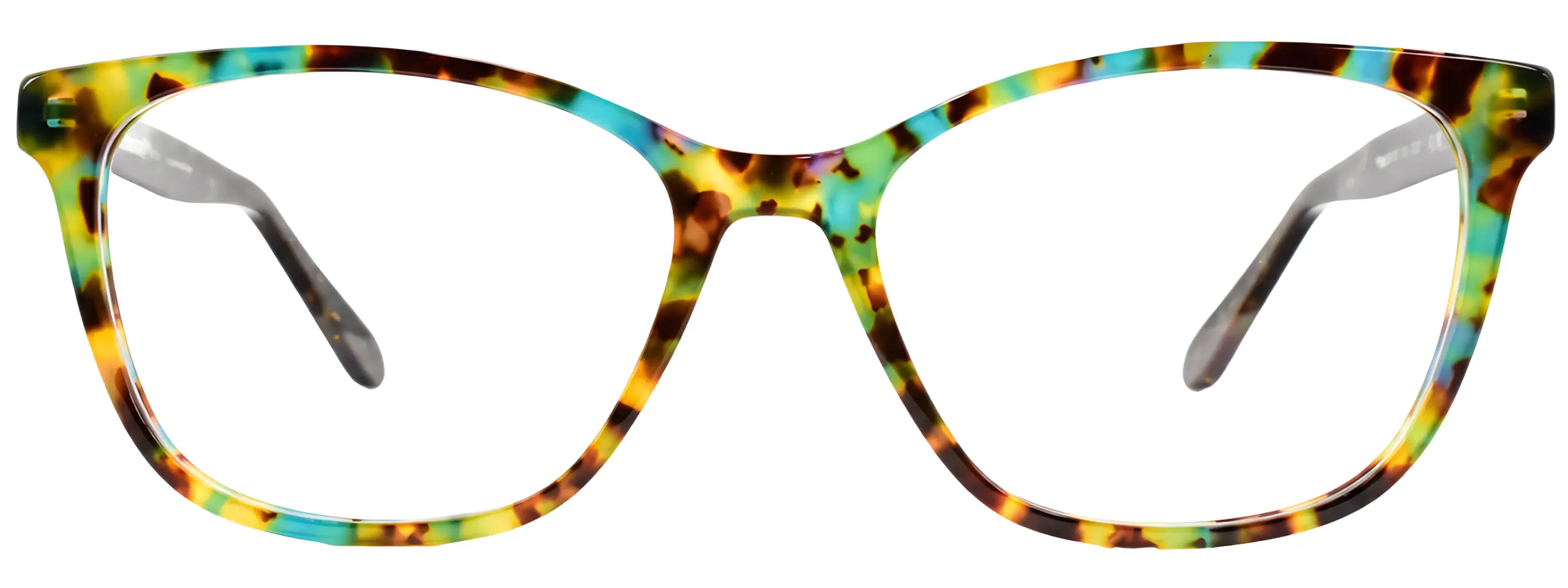
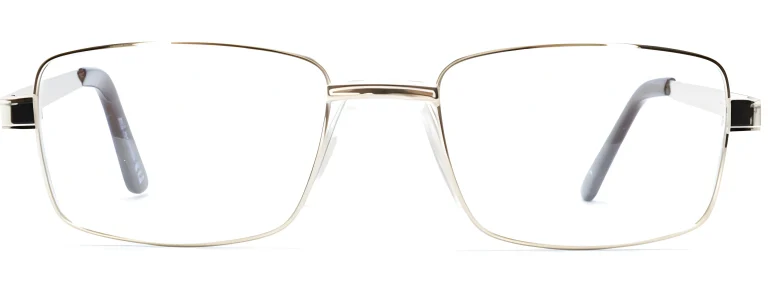
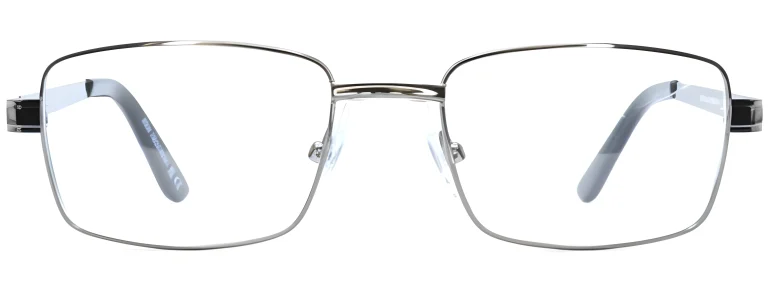
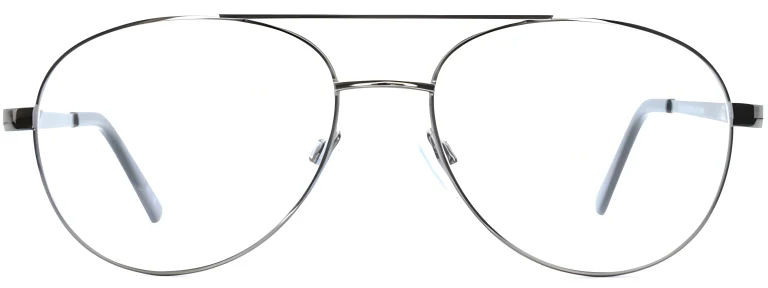
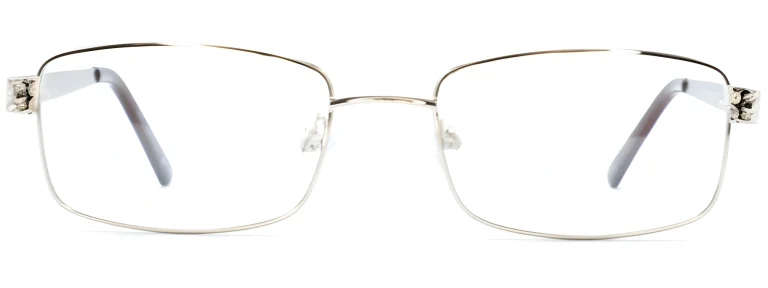
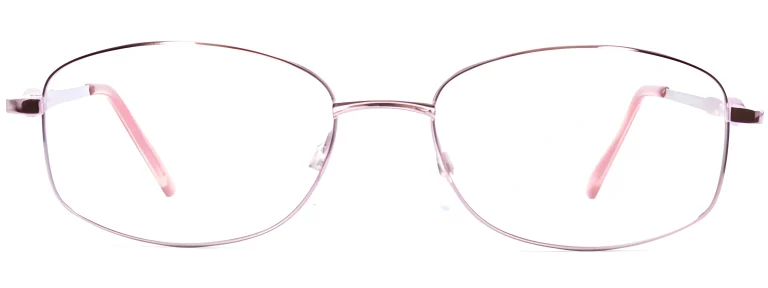
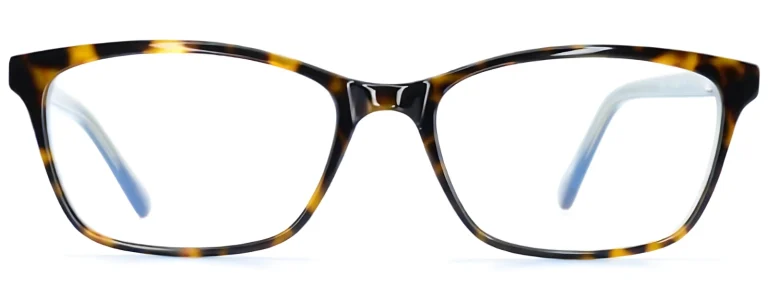



Quick answer: Most fit problems can be fixed with a small adjustment. Glasses that slip down your nose usually need the nose pads or the bend behind the ears tightened. Glasses that dig in behind your ears need that bend loosened. Wonky glasses usually need one arm bent up or down slightly. Metal frames can often be adjusted gently by hand, while plastic, rimless and high-prescription glasses are best left to an optician.
Glasses that keep sliding down your nose, pinch behind your ears or sit at an angle are more than an annoyance. You end up pushing them back up all day, and a poor fit can move the lenses out of position in front of your eyes.
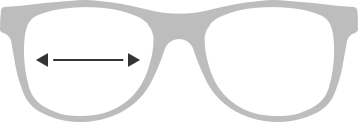
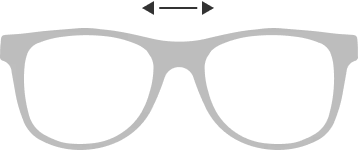
This guide explains how to fix the most common fit problems with the glasses you already have. If your current pair is simply the wrong size and you’re choosing a new one, our guide on how to find your glasses size from your current frames will help you pick the right measurements.
Before You Start: Check Your Frame Type
How you adjust your glasses depends on what they’re made of. Check this first, and if you’re unsure, don’t force anything.
Metal Frames
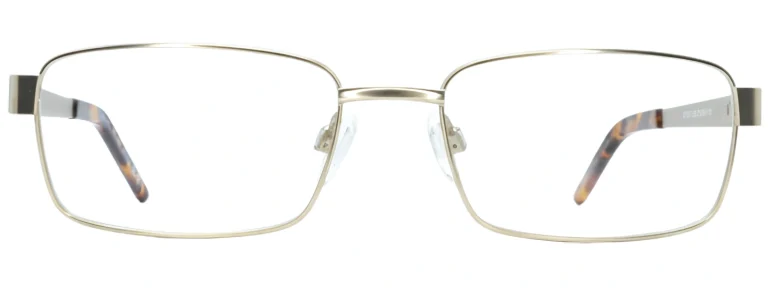
Metal frames usually have adjustable nose pads on small metal arms, and their arms can often be bent gently by hand. They’re the easiest type to adjust yourself.
Plastic (Acetate) Frames
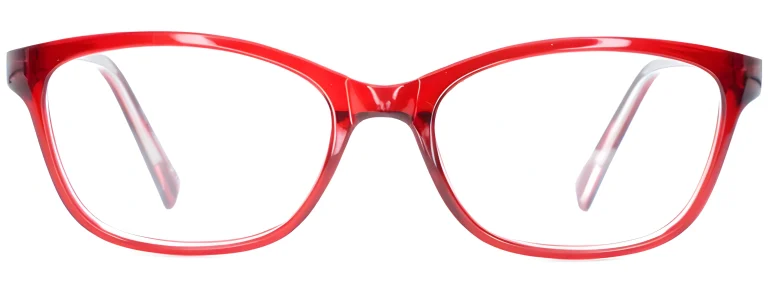
Acetate frames usually have the nose pads built into the frame, so they can’t be adjusted. The arms are stiffer, and bending them without gentle warmth can crack the frame. Small tweaks are possible at home (see below), but an optician can do it more safely.
Rimless and Semi-Rimless Frames
In rimless and semi-rimless glasses, the lenses are held by small screws or a thin nylon cord, so bending the frame puts stress directly on the lenses. Leave adjustments on these to an optician.
How to Fix Glasses Slipping Down Your Nose
Glasses usually slip because they’re too loose at the nose, too loose behind the ears, or both.
Tighten the Nose Pads (Metal Frames)
If your glasses have adjustable nose pads, gently push each pad slightly closer to the other, one side at a time. Use your thumb, making very small movements, and try your glasses on between each adjustment. Moving the pads closer together makes the glasses sit higher and grip better.
Tighten the Bend Behind the Ears
The ends of the arms should curve down snugly behind your ears. If they’re too straight, the glasses have nothing to hold them in place. Gently bend the end of each arm slightly further down and in, so the curve hugs the back of your ear. Make the same adjustment on both sides.
Keep the Frame Clean
Skin oil, sun cream and make-up on the nose pads and bridge make glasses more slippery. Cleaning the frame as well as the lenses can make a noticeable difference. Our guide on how to care for your prescription glasses explains how to clean them safely.
Try Stick-On Nose Pads (Plastic Frames)
If your acetate frame has built-in nose pads and still slips, soft stick-on nose pads can add a little grip and height. They’re inexpensive and easy to remove.
When the Bridge Is Simply Too Wide
If none of these fixes work, the bridge of the frame may be too wide for your nose. In that case, a narrower bridge size is the real answer for your next pair. See our guide on finding your glasses size, and if you have a narrower face, read about the best glasses for small faces.
How to Fix Glasses That Are Too Tight Behind the Ears
If your glasses dig in behind your ears, the bend at the end of the arms is usually too tight or starts too early.
Loosen the Bend
Gently straighten the curved end of each arm a little, so it rests behind your ear rather than pressing into it. The bend should start just behind the top of your ear. Make small adjustments to both arms and try the glasses on each time.
If the Glasses Squeeze the Sides of Your Head
If the pressure is along the sides of your head rather than behind your ears, the frame may be too narrow for your face. An optician can sometimes widen the arms slightly at the hinges, but this isn’t something to try at home.
If the Arms Are Too Short
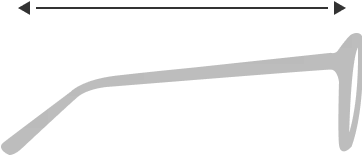
If the bend sits on top of your ear rather than behind it, the arms may simply be too short. Adjusting won’t fix this. Check the arm length printed on your frame, and see our sizing guide for choosing a longer arm next time.
How to Fix Wonky Glasses
If your glasses sit higher on one side, one arm is usually bent slightly differently from the other. This often happens after taking them off one-handed or sleeping in them.
Do the Table Test
- Unfold your glasses and place them upside down on a flat table, resting on the top of the frame and the tops of both arms.
- Look at whether both arms touch the table evenly.
- If one arm lifts off the table, that arm needs to be bent down slightly at the hinge area. If the frame rocks, the opposite arm likely needs bending up.
- Make a very small adjustment, then try them on in front of a mirror.
Remember Your Face Isn’t Perfectly Symmetrical
Most people’s ears aren’t exactly level. If your glasses look straight on the table but wonky on your face, they may need adjusting to suit you rather than the table. Adjust a little at a time while looking in a mirror, or ask an optician to do it.
How to Fix Loose Glasses
If your glasses feel floppy or the arms swing too freely, the small hinge screws have probably worked loose. A glasses repair kit with a small screwdriver lets you tighten them. Turn each screw clockwise gently until it’s snug, and stop there, as overtightening can strip the screw or damage the frame.
If the frame has stretched and the screws are already tight, the arms may need tightening behind the ears instead (see above).
What Not to Do
- Don’t use a hairdryer, oven or flame to soften the frame. Direct heat can damage the frame and the lens coatings. See our guide on why lens coatings peel.
- Don’t force it. If a frame resists, stop. Bending too far or too quickly can snap an arm.
- Don’t bend at the lenses. Hold the arm or frame close to where you’re bending it, and keep pressure off the lenses.
- Don’t use glue. It can get onto the lenses and makes a professional repair harder.
- Don’t adjust rimless or semi-rimless glasses yourself. The lenses take the strain and can crack.
Adjusting Plastic Frames at Home
If you do want to make a small tweak to an acetate frame yourself, warmth makes the plastic more flexible. Run warm (not hot) tap water over the end of the arm only, keeping the water away from the lenses. Dry it, then gently ease the arm into shape and let it cool.
If it doesn’t move easily, don’t force it. An optician can adjust it safely.
When to Get Professional Help
An optician has the tools to adjust frames safely, and many will make small adjustments for little or nothing. Ask for help if:
- Your glasses are rimless, semi-rimless or acetate and need more than a tiny tweak.
- You have a strong prescription, where the position of the lenses in front of your eyes matters more.
- You’ve tried the fixes above and the glasses still don’t sit right.
- A screw is missing, a hinge is broken or the frame is cracked.
If your glasses are new from Glasses Store and the fit isn’t right, contact our team before trying to adjust them yourself, and see our warranty page. If a poor fit seems to be affecting how clearly you see, read our guide on new glasses that are blurry or giving you headaches.
How to Stop Your Glasses Losing Their Fit
Most frames lose their shape through everyday habits rather than wear. Take your glasses off with both hands, don’t push them up onto your head, and keep them in a case when you’re not wearing them. Our guide on how to care for your prescription glasses covers this in more detail.
Frequently Asked Questions
Why do my glasses keep slipping down my nose?
Usually the nose pads are too far apart, or the bend behind your ears is too loose. Tightening one or both, or cleaning oil and make-up off the frame, often fixes it. If not, the bridge may be too wide for your nose.
How do I stop my glasses hurting behind my ears?
Gently straighten the curved ends of the arms a little so they rest behind your ears instead of pressing into them. If the arms are too short, the bend will sit on top of your ear, and you’ll need a longer arm length.
How do I fix glasses that sit wonky?
Place them upside down on a flat table and see whether both arms touch it evenly. If one arm lifts off, bend that arm down very slightly. Make small changes and check in a mirror each time.
Can I adjust plastic glasses at home?
Small adjustments are possible using warm tap water on the end of the arm, keeping water away from the lenses. Never use a hairdryer or other direct heat, and stop if the frame resists. For anything more, see an optician.
Can I adjust rimless glasses myself?
It’s best not to. In rimless and semi-rimless glasses, bending the frame puts strain on the lenses, which can crack. Ask an optician.
How do I tighten loose glasses?
Tighten the small hinge screws gently with a glasses screwdriver until they’re snug. If the arms still feel loose on your head, tighten the bend behind your ears.
Do opticians adjust glasses for free?
Many opticians will make small adjustments for little or no charge, even if you didn’t buy your glasses from them. It’s worth asking before you go.
Will adjusting my glasses myself affect my warranty?
Damage caused while adjusting your glasses yourself may not be covered. If your glasses are new or still under warranty, contact the retailer first.
A Better Fit, Every Day
A few small adjustments can turn glasses that slip, pinch or sit crooked into a pair you forget you’re wearing. Start with the gentlest fix, adjust a little at a time, and ask an optician if in doubt. If it’s time for a new pair, use your current measurements to browse our full range of glasses in the right size.