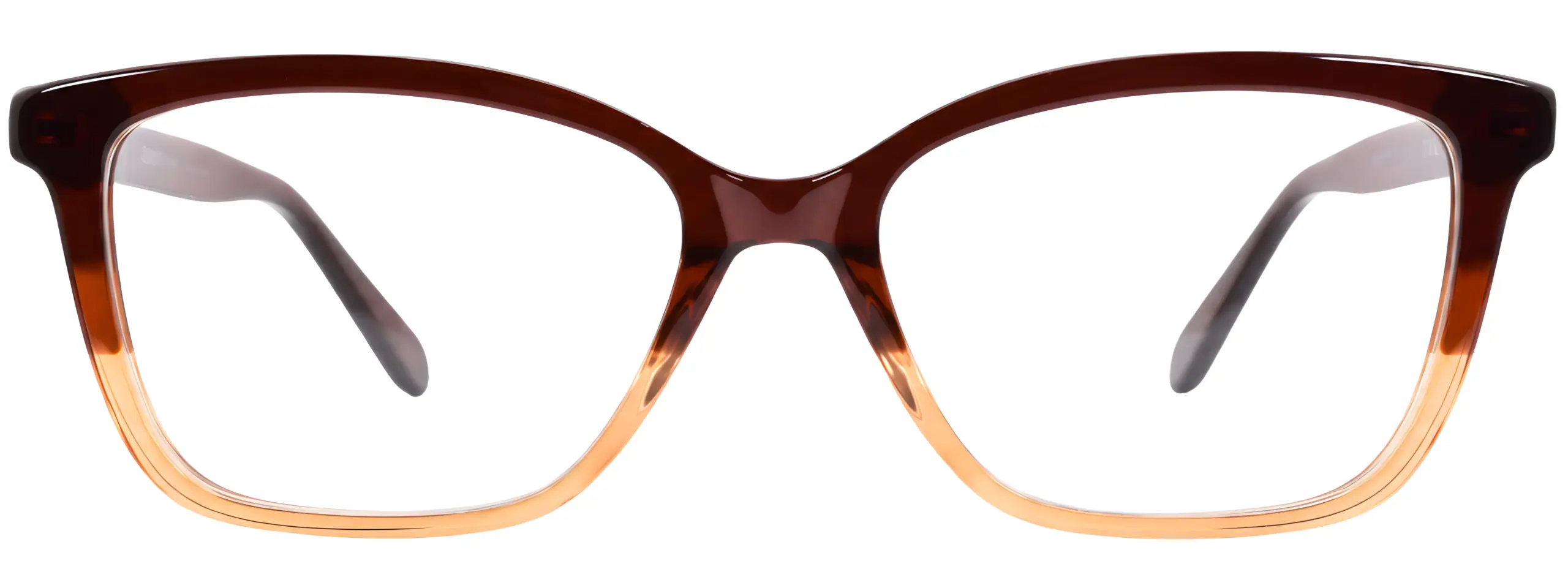
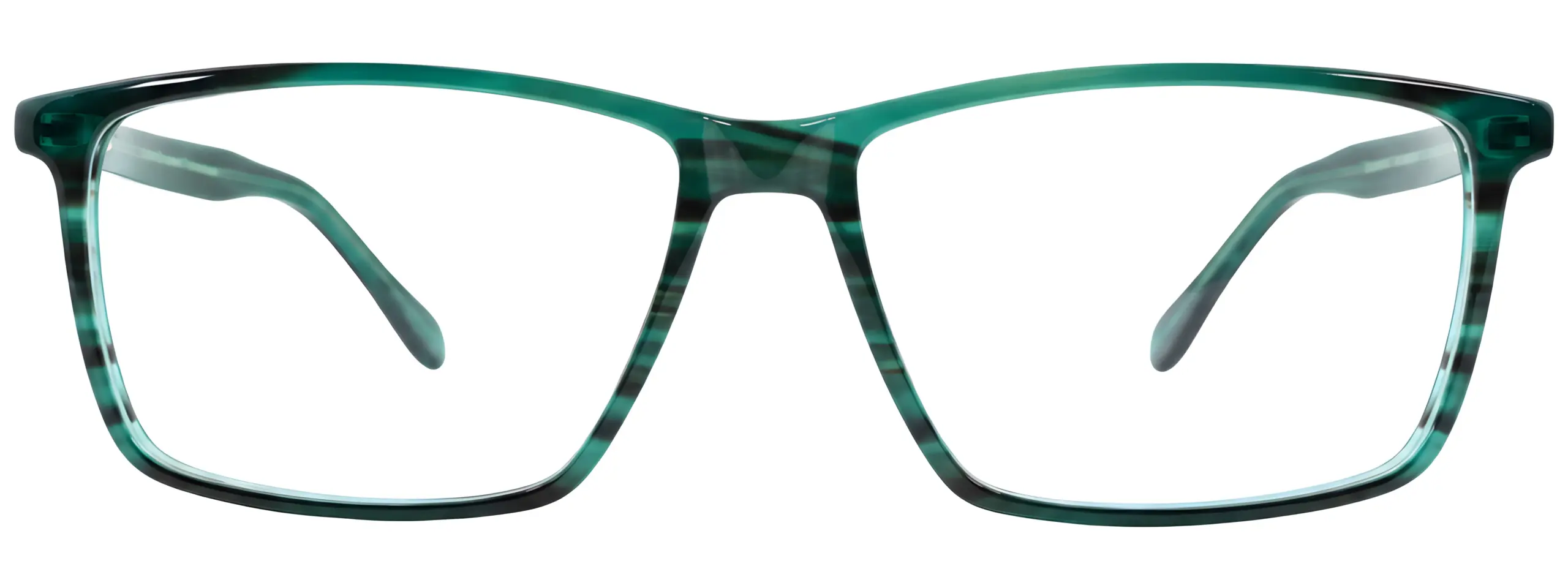
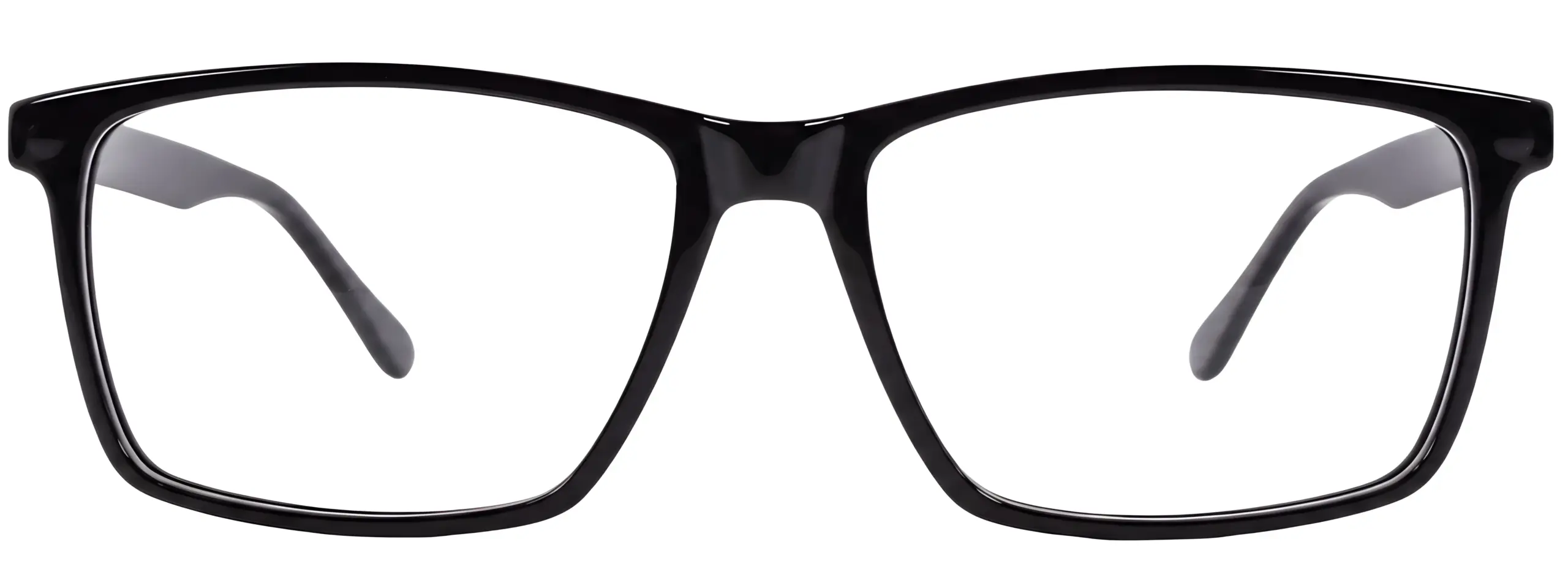
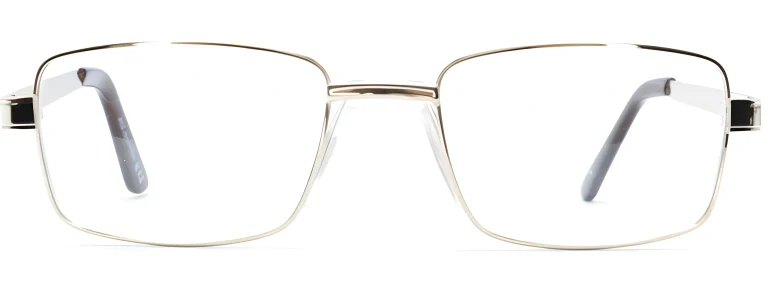
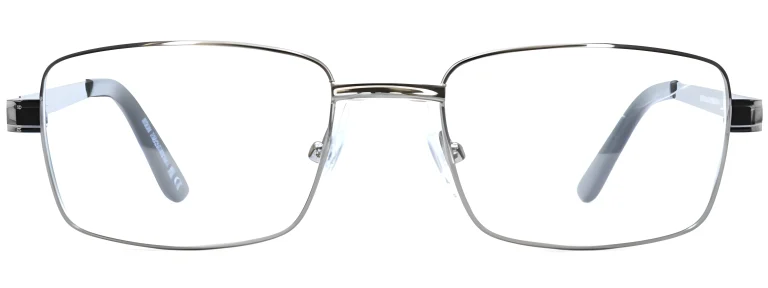
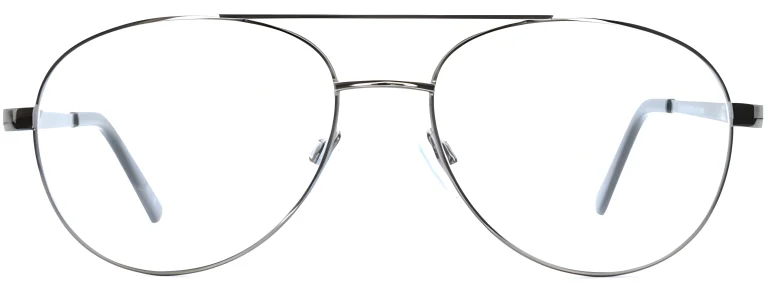
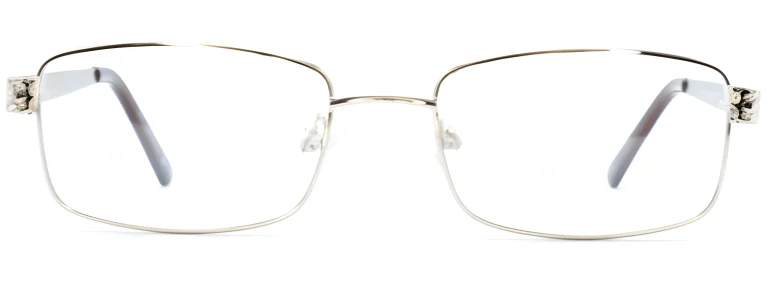
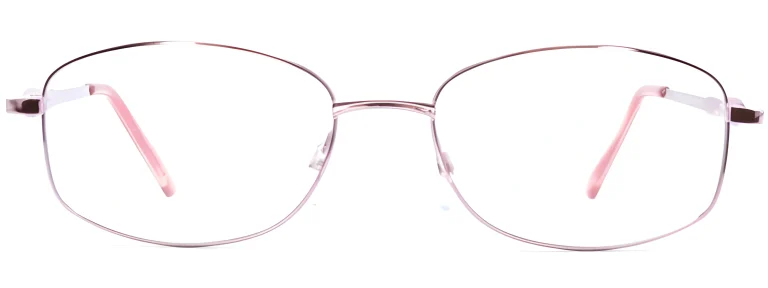



Prescription sunglasses let you see clearly and cut glare at the same time, which makes them genuinely useful for driving. Low sun, glare off wet roads and bright summer light all reduce a driver’s vision, and a tinted prescription lens tackles all three. Just choose a legal tint — categories 0 to 3 are fine for daytime driving, while category 4 is too dark and illegal to drive in.
Every UK driver knows the moment: low sun on the windscreen, or glare bouncing off a wet road, and suddenly you can barely see. If you wear glasses, the problem is worse, because ordinary sunglasses don’t correct your vision and your clear glasses don’t cut the glare. Prescription sunglasses solve both at once, which is why they’re worth having in the car. Here’s what to know, including the UK rules on tints.
Why Prescription Sunglasses Make Sense for Drivers
Glare is not just uncomfortable behind the wheel — it’s a genuine hazard. Bright sunlight, low winter sun and reflections off wet or icy roads all reduce how well you can see, slowing your reactions at exactly the wrong moment. Prescription sunglasses give you your full visual correction and sun protection in one pair, so you’re not choosing between seeing clearly and cutting glare.
They also save the hassle of clip-ons or switching between contact lenses and non-prescription sunglasses. For anyone who drives regularly and needs vision correction, a dedicated pair kept in the car is one of the simplest upgrades to comfort and safety on the road.
Are Sunglasses Legal for Driving in the UK?
Mostly, yes — but the tint matters, and there is a clear line. Sunglasses are rated by filter category from 0 to 4. According to the RAC, categories 0 to 3 are legal for daytime driving, but category 4 lenses are too dark and must not be used for driving at any time. The category is marked on the frame, packaging or paperwork.
Here is how the categories break down for driving:
| Filter category | Light let through | Driving use |
| 0 | Clear to very light | Any time, day or night |
| 1 | Light tint | Daytime only |
| 2 | Medium tint (18–43%) | Recommended for daytime driving |
| 3 | Dark tint (8–18%) | Bright daytime only, not at night |
| 4 | Very dark | Never — illegal to drive in |
For most drivers, a category 2 tint is the recommended choice for daytime — dark enough to cut glare, light enough to keep good visibility. Whatever the category, no tinted sunglasses should be worn for night driving, as they reduce visibility when light is already low.
Which Tint Is Best for Driving?
Colour matters as much as darkness. Grey and brown tints are the best choice for driving because they keep your perception of colour accurate, so traffic lights and brake lights still look right. At Glasses Store, sunglass tints are available in grey, green and brown, in 50% and 75% densities, so you can match the tint to how bright your typical drive is. You can read more in our guide on how to buy prescription sunglasses.
Should Drivers Choose Polarised Lenses?
Polarised lenses are especially good for driving because they cut the harsh glare that reflects off wet roads, car bonnets and other bright surfaces — glare a standard tint doesn’t fully remove. The AA notes they’re particularly effective against light shining off wet roads.
There is one thing to be aware of: polarised lenses can make some digital dashboard and sat nav screens harder to read at certain angles. For most drivers the glare reduction outweighs this, but it’s worth testing. Polarised lenses are available in grey, green and brown to suit your preference.
Prescription Sunglasses or Photochromic Lenses?
If you’d rather not carry a separate pair, photochromic lenses that darken outdoors are an alternative — though standard versions barely darken behind a windscreen, because the glass blocks the UV that triggers them. A dedicated pair of prescription sunglasses gives fuller, more consistent glare protection for driving. Our guide comparing Transitions and prescription sunglasses looks at which suits you.
What About Night Driving?
Tinted sunglasses of any category should never be worn at night — they reduce visibility when it’s already dark, which is dangerous and, for category 4, illegal at any time. For night driving glare from headlights, an anti-reflective coating on your clear glasses is the genuine fix. Our guide on glasses for night driving covers what actually helps after dark.
Frequently Asked Questions
Are prescription sunglasses legal for driving in the UK?
Yes, provided the tint is category 0 to 3. Category 4 lenses are too dark and must not be used for driving at any time. Category 2 is the recommended tint for daytime driving.
What tint colour is best for driving?
Grey and brown tints are best, as they keep colours looking accurate so traffic and brake lights read correctly. Both are available at Glasses Store in 50% and 75% densities.
Are polarised lenses good for driving?
Yes. Polarised lenses cut glare from wet roads and reflective surfaces, which is a real benefit for drivers. Just be aware they can make some dashboard LCD screens harder to read at certain angles, so it’s worth testing.
Can I wear sunglasses for night driving?
No. Tinted sunglasses of any category reduce visibility in low light and should not be worn at night. For headlight glare after dark, an anti-reflective coating on clear glasses is the better solution.
Can I get varifocal prescription sunglasses for driving?
Yes. Prescription sunglasses can be made with single vision or varifocal lenses, so you can have distance correction for the road and near correction for the dashboard in one tinted pair.
Ready for the Road
A pair of prescription sunglasses is a small change that makes driving safer and more comfortable — clear vision and glare protection together, in a legal tint. When you’re ready, you can shop glasses online, choose a frame, and add your tint and prescription at checkout.
Related Guides
How to Buy Prescription Sunglasses Online
Transitions Lenses vs Prescription Sunglasses: Which Is Best?