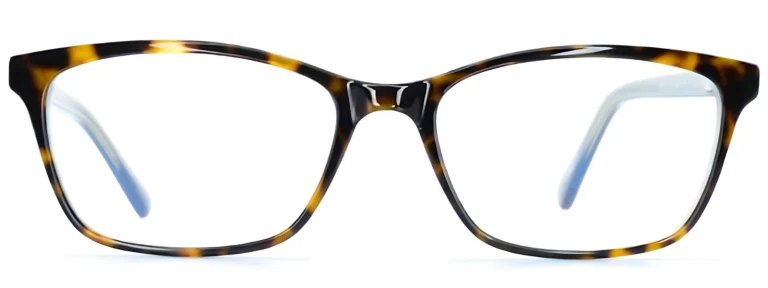
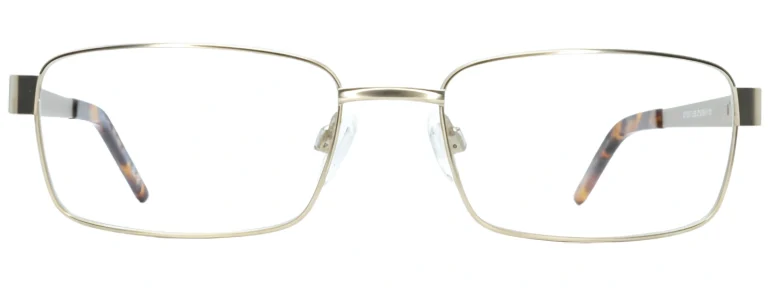
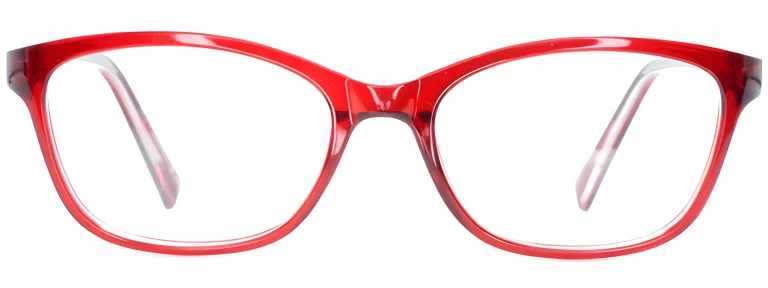




Transitions lenses and prescription sunglasses both solve the same problem — clear vision and sun protection in one — but in very different ways. Transitions are a single pair that darkens outdoors and clears indoors. Prescription sunglasses are a dedicated tinted pair for bright conditions. The right choice comes down to convenience versus consistent performance, and how you spend your time outdoors.
In short: choose Transitions if you want the convenience of one pair for everything, and prescription sunglasses if you want full, consistent darkness for driving and bright sun. Many people who spend a lot of time outdoors end up owning both. This guide compares them so you can decide.
What Are Transitions Lenses?
Transitions is the best-known brand of photochromic lens — lenses that react to light. Indoors and at night they are clear, like an ordinary pair of glasses. Step into sunlight and they darken automatically, then fade back to clear when you go inside. They respond to UV light, which is what makes them darken. You can add Transitions lenses to almost any frame and prescription, giving you one pair that adapts through the day.
At Glasses Store, the standard option is Transitions Gen S, which is included. There is also an XTRActive option, an optional upgrade, which darkens more in very bright conditions and, importantly, darkens behind a car windscreen — something standard photochromic lenses do not do well, because a windscreen blocks much of the UV light that triggers them.
What Are Prescription Sunglasses?
Prescription sunglasses are sunglasses made with your prescription built into permanently tinted lenses. They are always dark, giving full, consistent sun protection and glare reduction whenever you wear them. You choose the tint colour and density, and can add polarisation to cut glare from roads and water. Our guide on how to buy prescription sunglasses walks through those choices in detail.
Because the tint is permanent, prescription sunglasses are a dedicated pair — too dark to wear indoors, but unbeatable in strong sunshine and behind the wheel, where they perform fully and consistently.
Transitions vs Prescription Sunglasses: The Comparison
Here is how the two options compare across the things that matter most:
| Transitions (photochromic) | Prescription sunglasses | |
| How they work | Clear indoors, darken automatically in sunlight | A permanent tint — always dark |
| Number of pairs | One pair for indoors and out | A dedicated second pair |
| Indoor use | Fully clear indoors | Too dark for indoor use |
| In the car | Standard versions darken little behind a windscreen; XTRActive darkens behind glass | Work fully in the car |
| Full darkness outdoors | Very dark, though not always as dark as a dedicated sunglass tint | Consistently dark |
| Best for | Convenience and everyday all-round use | Bright, sunny conditions and driving |
Which Should You Choose?
The decision usually comes down to how you spend your time and what you value most.
Transitions suit you if convenience is the priority — one pair that covers indoors, outdoors and everything in between, without swapping glasses or carrying a second case. They are ideal for everyday life where you move in and out of sunlight throughout the day. If you drive regularly and want that adaptive benefit in the car, the XTRActive upgrade is the version to choose, as standard photochromics stay largely clear behind a windscreen.
Prescription sunglasses suit you if you want full, reliable darkness in bright conditions — for driving on sunny days, spending time near water, or any situation where consistent glare reduction matters. With a polarised option, they are hard to beat for cutting reflected glare. The trade-off is that they are a dedicated pair, so you switch to them when you need them.
Can You Have Both?
Many people do, and it is often the most practical answer. A pair of Transitions lenses for everyday, all-round wear, plus a dedicated pair of prescription sunglasses for driving and bright days, covers every situation. If you can only choose one to start with, base it on your daily life: pick Transitions for versatility, or prescription sunglasses if strong, consistent sun protection is what you need most.
Frequently Asked Questions
Do Transitions lenses work in the car?
Standard Transitions darken very little behind a windscreen, because the glass blocks the UV light that triggers them. The XTRActive option is designed to darken behind a windscreen, so it is the better choice if you want the adaptive effect while driving.
Are Transitions as dark as sunglasses?
Transitions get very dark in bright sunlight, but not always as dark as a dedicated sunglass tint. For consistently full darkness in strong sun, prescription sunglasses give the most reliable result.
Can I get Transitions and prescription sunglasses in the same prescription?
Yes. Both are made to your prescription and can be fitted to most frames, including single vision and varifocal lenses. Many people have both — Transitions for everyday wear and sunglasses for bright conditions and driving.
Do both protect against UV?
Yes. Both Transitions lenses and prescription sunglasses provide UV protection. The difference is in the tint — Transitions adapt to the light, while sunglasses stay permanently dark.
Which is better value?
Transitions can be more economical if you want one pair to do everything. Prescription sunglasses are a second, dedicated pair. The better value depends on whether you prefer the convenience of one adaptive pair or the consistent performance of dedicated sunglasses.
Making Your Choice
Both options give you clear vision and sun protection — the question is convenience versus consistency. For one pair that adapts to the day, choose Transitions; for full, dependable darkness in bright sun and behind the wheel, choose prescription sunglasses. When you are ready, you can shop glasses online and add either option, with your prescription, at checkout.