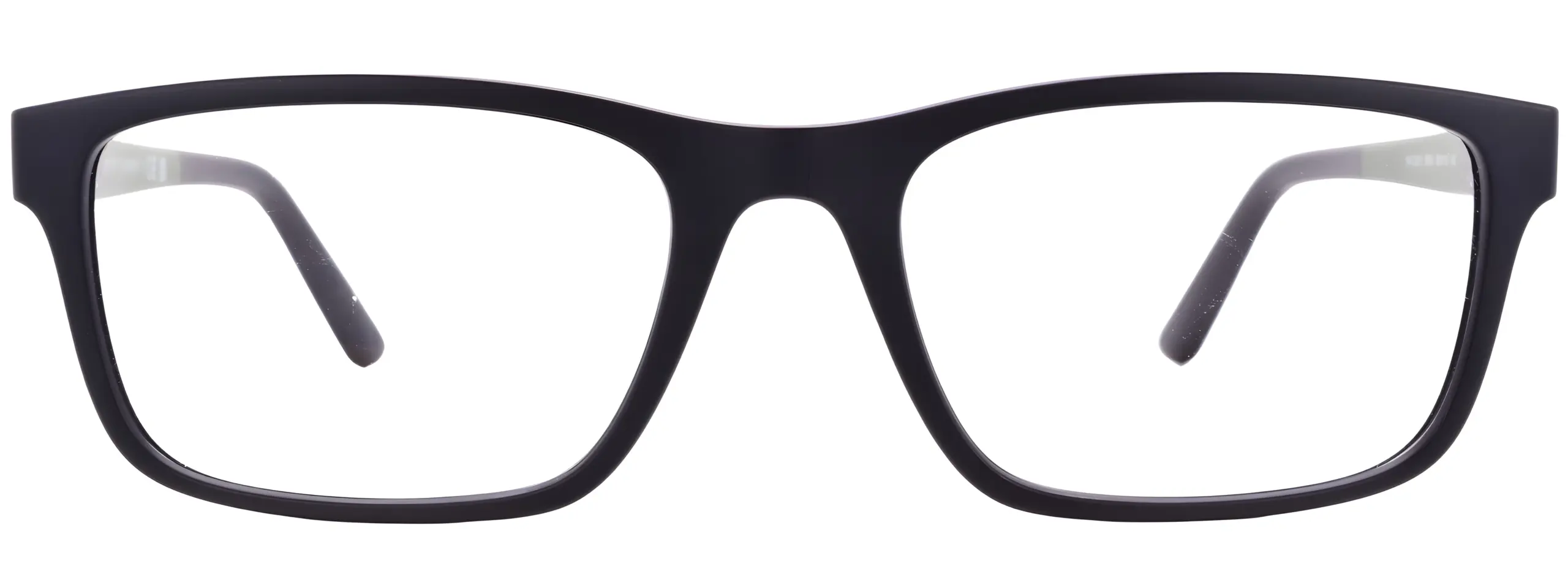
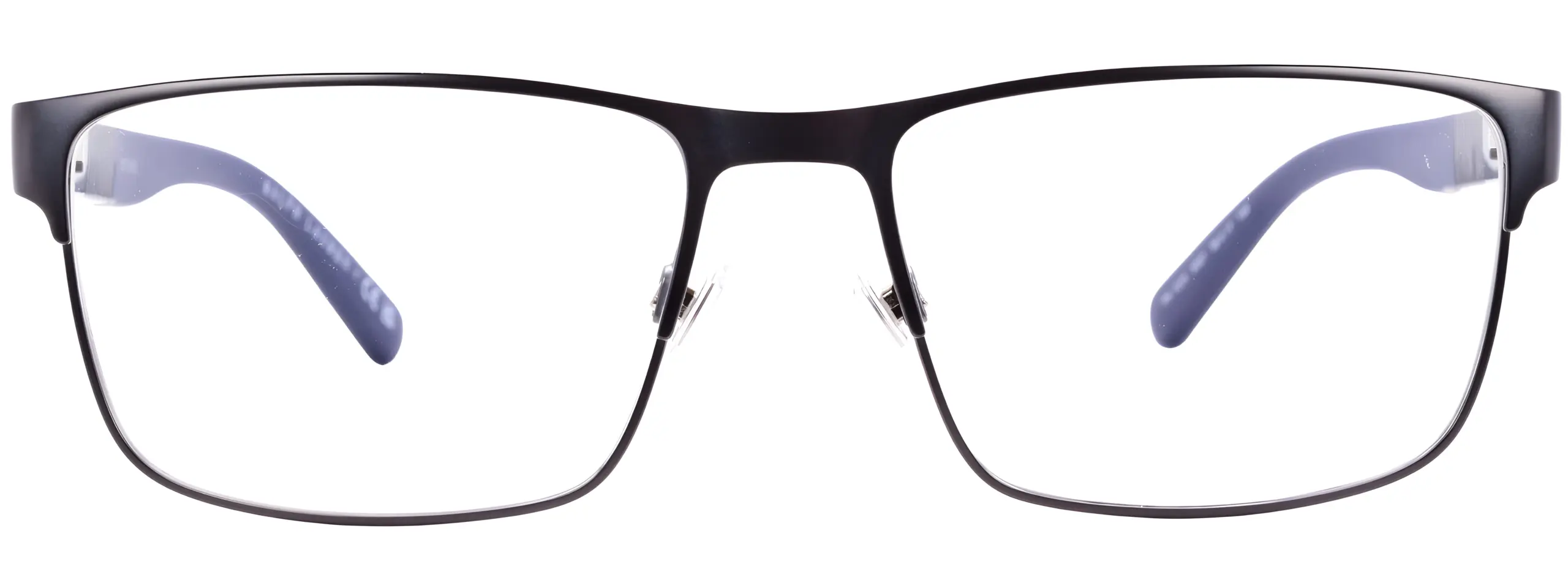
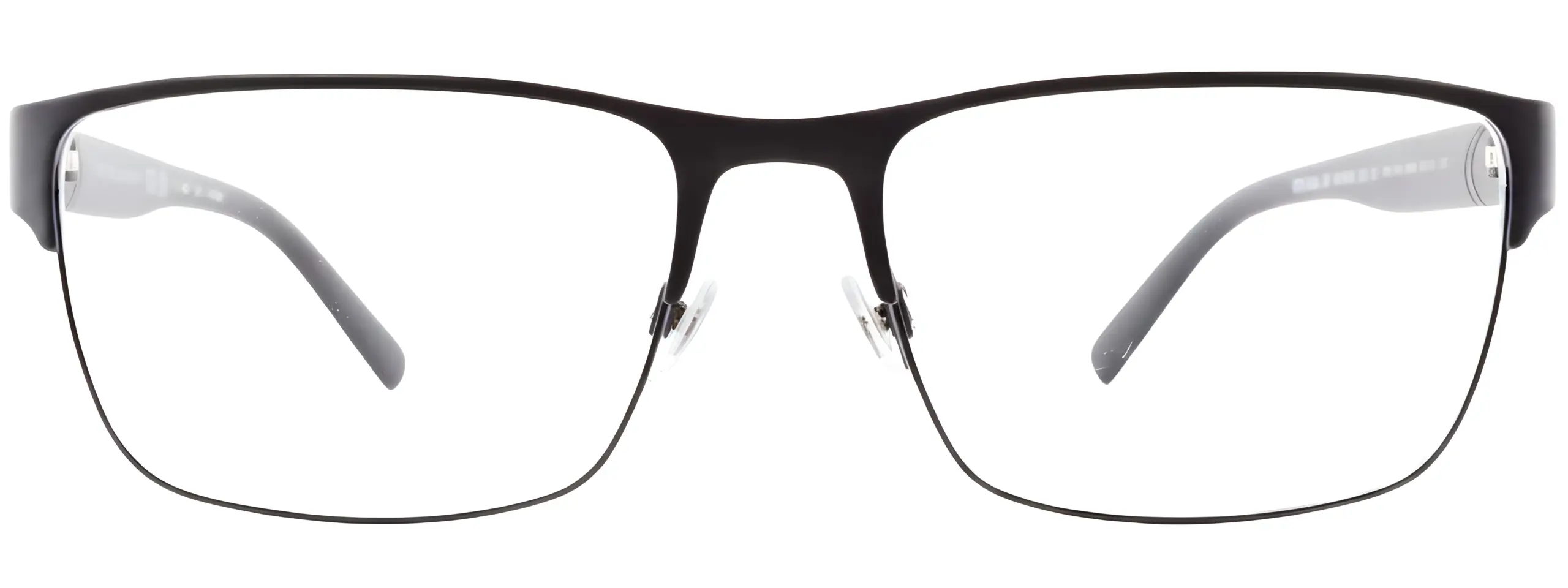
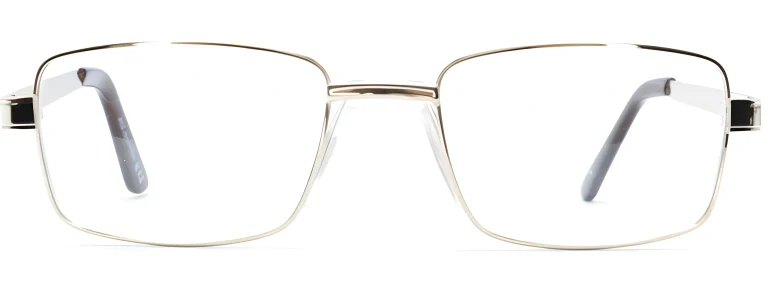
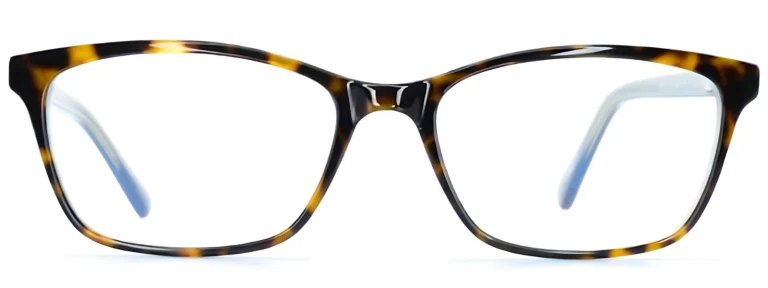
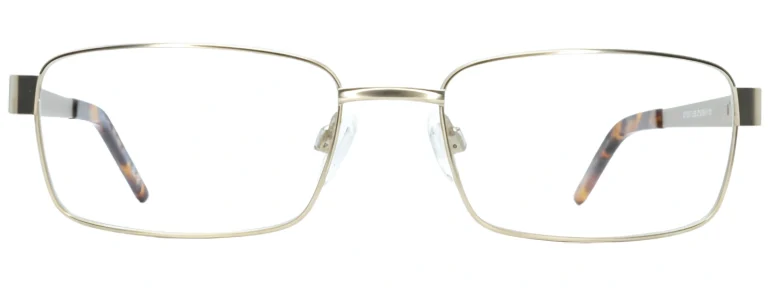
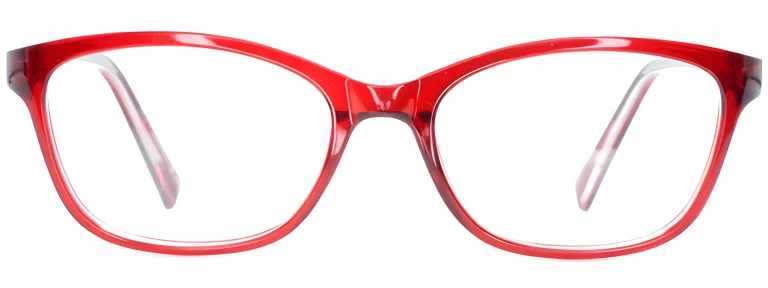




Photochromic lenses change tint: they are clear indoors and darken outdoors when exposed to UV light. Polarised lenses are always tinted, and they block the dazzling glare that reflects off water, wet roads and snow. Choose photochromic if you want one pair for indoors and out. Choose polarised if you want the best glare control in bright sunlight, especially for driving and time near water.
How photochromic lenses work
Photochromic lenses contain molecules that change shape when ultraviolet (UV) light hits them. This darkens the lens. When the UV goes away, the molecules return to their original shape and the lens clears. Transitions® is the best-known brand of photochromic lens.
Three things affect how dark they go:
- UV strength. The brighter the UV, the darker the lens. They darken on cloudy days too, because UV passes through cloud.
- Temperature. Photochromic lenses get darker in cold weather, but take longer to clear. In hot weather they may not go as dark.
- Glass in the way. Car windscreens block most UV, so standard photochromic lenses darken very little while you’re driving. Some newer photochromic lenses also react to visible light and darken partly behind a windscreen, but they don’t reach their full outdoor darkness there.
When you go back indoors, photochromic lenses clear gradually. Fading fully can take a few minutes, and longer in the cold.
How polarised lenses work
When sunlight reflects off a flat surface such as water, a wet road or a car bonnet, much of it becomes horizontally polarised. That concentrated, reflected light is what you see as harsh glare.
A polarised lens contains a filter that blocks horizontally polarised light while letting other light through, a bit like a Venetian blind. The glare is removed rather than just dimmed. Colours and contrast look clearer, and you can see beneath the surface of water.
Polarised lenses are always tinted, so they are sunglasses. If you only need a plain tint without glare filtering, see our sunglass tints. They are not for indoor use or for night-time.
Photochromic vs polarised: side-by-side comparison
| Feature | Photochromic | Polarised |
| Tint | Changes: clear indoors, dark outdoors | Fixed sunglass tint |
| Cuts reflected glare off water and roads | Only by dimming, not by filtering | Yes, this is its main purpose |
| Works indoors | Yes, as clear lenses | No |
| Darkens behind a car windscreen | Very little for standard lenses | Yes, the tint is always there |
| Suitable for night driving | Yes, once fully clear | No |
| Phone and car screens | No effect | Some screens may look dark at certain angles |
| One pair for everything | Yes | No, you need a separate clear pair |
| Best for | All-day wear in changing light | Driving in sunshine, water, bright holidays |
Photochromic or Polarised: which is better for driving?
For daytime driving in bright sun, polarised lenses usually perform better. They are dark all the time, and they cut glare from wet roads and other cars. Standard photochromic lenses are a poor choice for bright-day driving because the windscreen stops them from darkening.
Two UK rules are worth knowing:
- The Highway Code (Rule 94) says not to use tinted glasses at night or in poor visibility if they restrict your vision. Take polarised sunglasses off at dusk.
- Very dark sunglasses, rated category 4, are not suitable for driving at any time.
If you drive at night in photochromic glasses, make sure they have fully cleared first, especially if you’ve just come in from bright sun on a cold day.
Polarised lenses can make some car dashboard displays, sat-navs and phones look dark or patchy at certain angles. Check your car’s screens when you first drive in them.
Which lens should you choose?
The right choice depends on where you spend your time and how much you drive.
Who should choose photochromic lenses?
- People who move between indoors and outdoors all day and want one pair.
- People with light-sensitive eyes who want comfort in changing light.
- People who don’t want to carry and swap a second pair of glasses.
- People who walk, garden or commute outdoors more than they drive.
Who should choose polarised lenses?
- Drivers who want sunglasses for bright, sunny driving.
- Anyone who fishes, sails or spends time by water.
- Holidaymakers heading somewhere sunny.
- Anyone who finds reflected glare uncomfortable.
When to avoid polarised lenses
- Flying. Pilots are advised against polarised sunglasses because they can make cockpit displays hard to read.
- Screens you must read at a glance, such as some instrument panels and machinery displays.
- Some winter sports. Some skiers prefer non-polarised lenses, because reflections can help them spot icy patches.
Can you have photochromic and polarised lenses together?
Yes. Some photochromic lenses are also polarised. They darken outdoors and add glare control when they do. They are usually more expensive, and they are not fully clear indoors.
Many people choose everyday photochromic glasses plus a pair of polarised prescription sunglasses, made from any of our frames, for driving and holidays. Our 2 for 1 offer can make a second pair more affordable.
Do photochromic and polarised lenses protect against UV?
Both types can protect your eyes from UV. Leading photochromic lenses, such as Transitions®, are specified to block 100% of UVA and UVB, both when clear and when dark. Polarisation itself doesn’t block UV, so check that polarised lenses also carry UV protection.
Frequently Asked Questions
Do photochromic lenses work in the car?
Standard photochromic lenses darken very little in the car, because windscreens block most UV. Some newer photochromic lenses react to visible light too and darken partly behind a windscreen.
Are polarised lenses better than photochromic?
Neither is better overall. Polarised lenses are better at removing reflected glare. Photochromic lenses are better if you want one clear-and-dark pair for all day.
Can I wear polarised lenses indoors?
They’re sunglasses, so they’re too dark for comfortable indoor use.
Why do photochromic lenses go darker in winter?
The darkening reaction works better at lower temperatures. On a bright, cold day your lenses may go darker than in summer, but they will take longer to clear.
Are Transitions and photochromic the same thing?
Transitions® is a brand name. Photochromic is the general term for any lens that darkens in response to light.
Can I get polarised lenses with varifocals?
Polarised lenses are generally available in varifocal as well as single vision prescriptions.
Read more: Transition Lenses vs. Prescription Sunglasses · Transitions lenses · Polarised lenses