



Prescription sunglasses give you clear vision and protection from the sun in a single pair, with no need to choose between seeing well and shielding your eyes. Buying them online is straightforward once you know your options — the tint, the lens type, and whether to add polarisation. This guide walks you through how to choose and order the right pair.
In short: choose a frame, select your tint colour and density, pick your lens type to match your prescription, and add polarisation if you want extra glare protection. Enter your prescription and PD, and your sunglasses are made to order.
What Are Prescription Sunglasses?
Prescription sunglasses are exactly what the name suggests: sunglasses made with your prescription built into tinted lenses. They correct your vision in the same way as your everyday glasses, while a tint reduces brightness and a UV filter protects your eyes from the sun. This means you can drive, walk and spend time outdoors with clear, comfortable vision and proper sun protection at once.
They are a practical alternative to wearing contact lenses under non-prescription sunglasses, or squinting through ordinary glasses in bright light. For anyone who spends time outdoors and needs vision correction, a dedicated pair is well worth having.
How to Buy Prescription Sunglasses, Step by Step
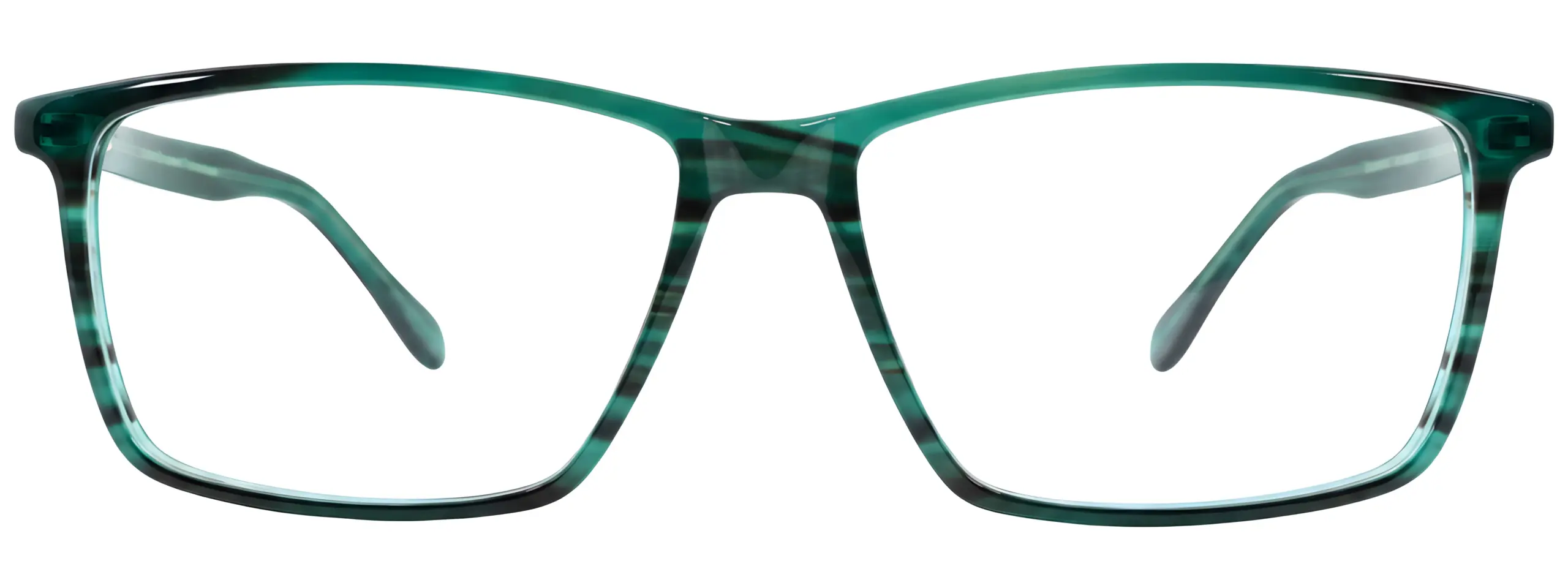
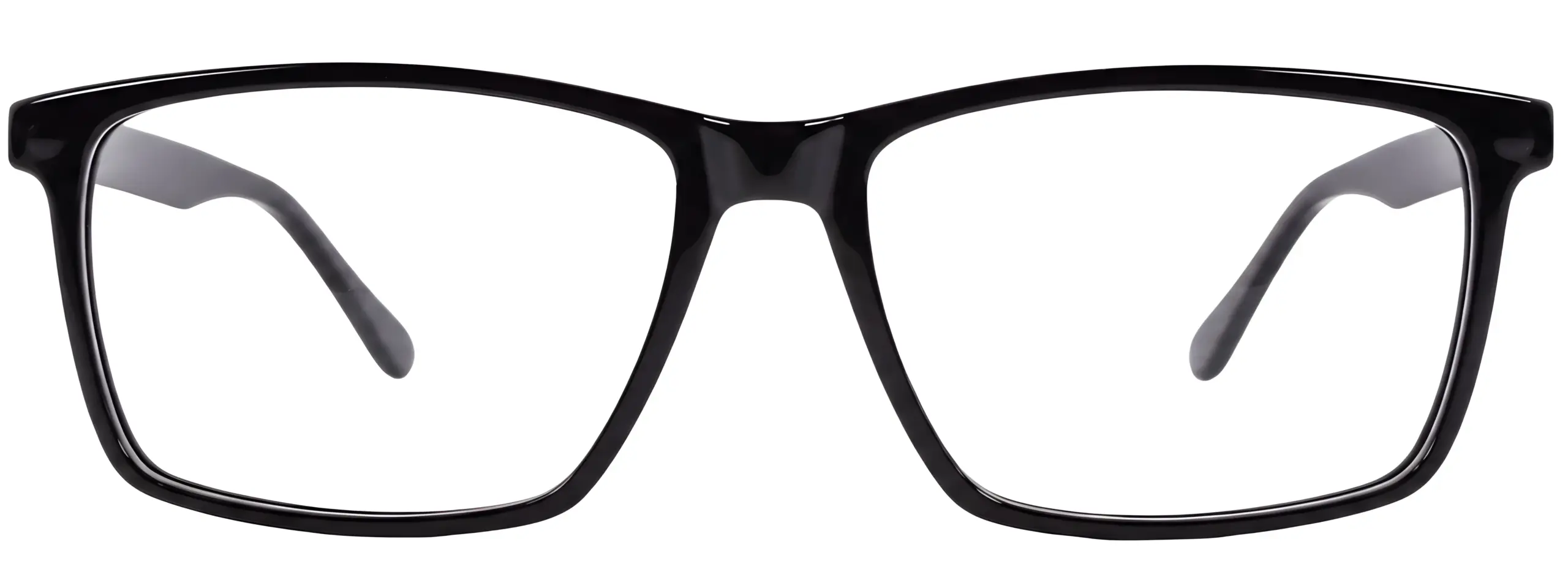
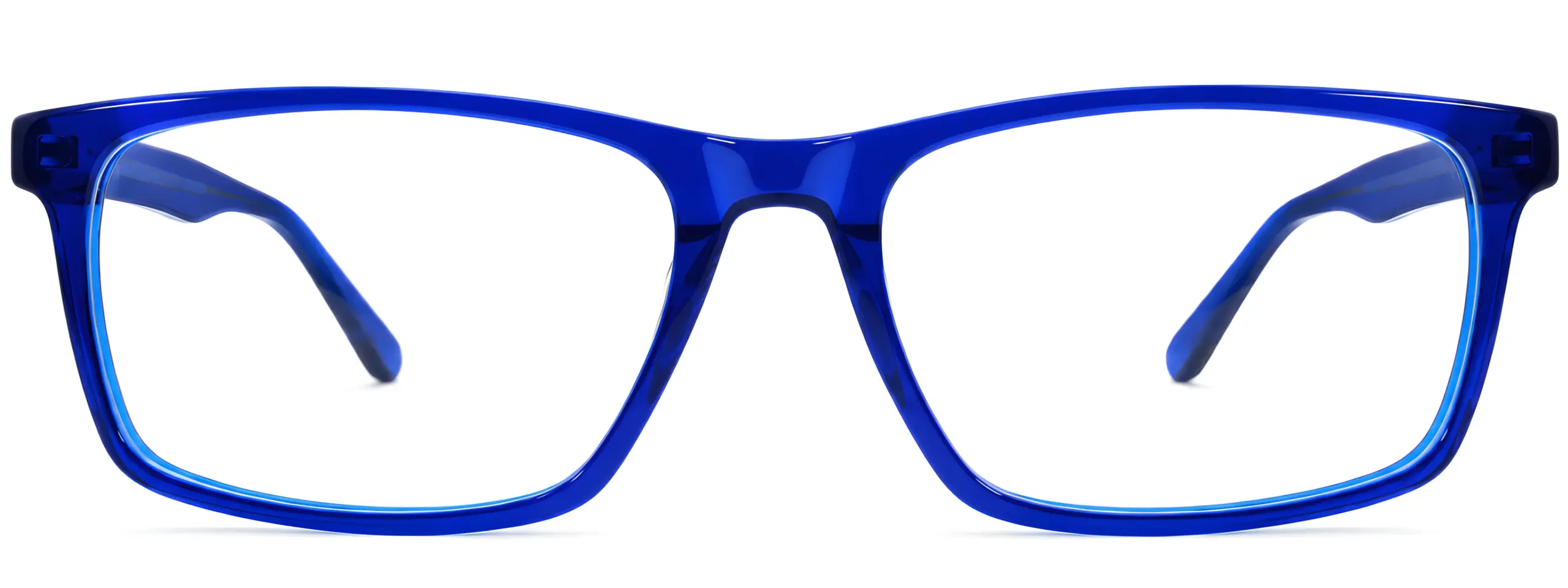
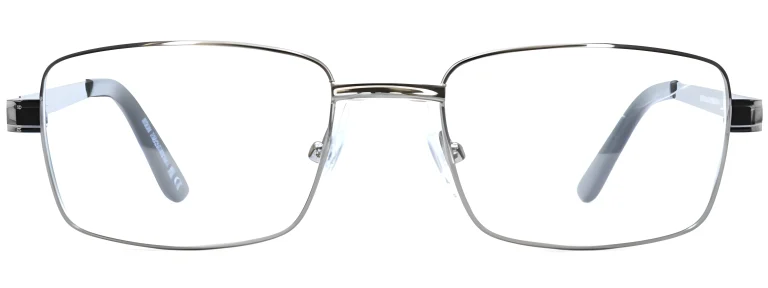
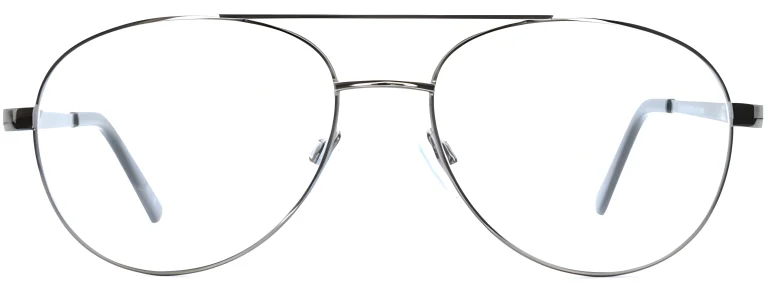
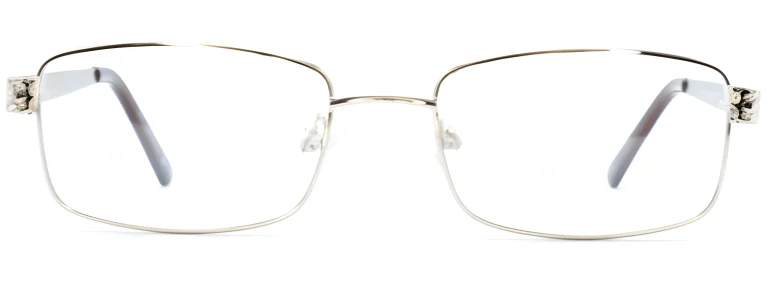
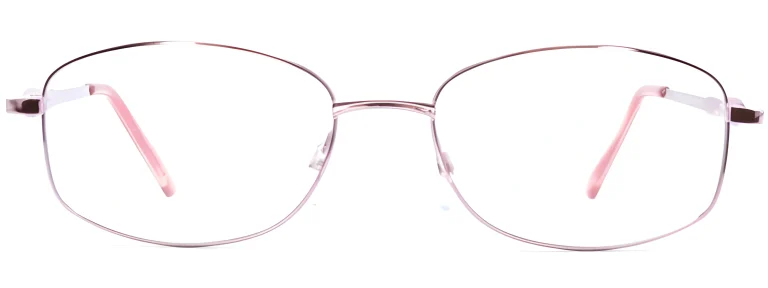
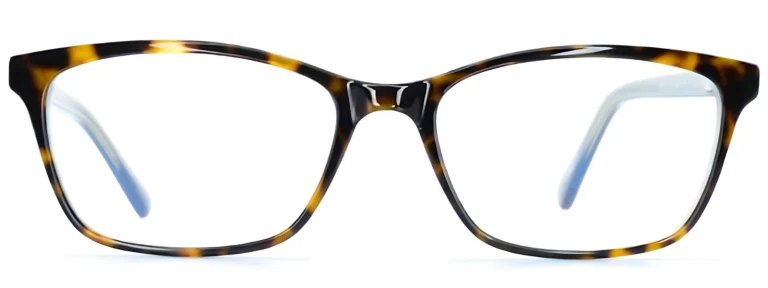
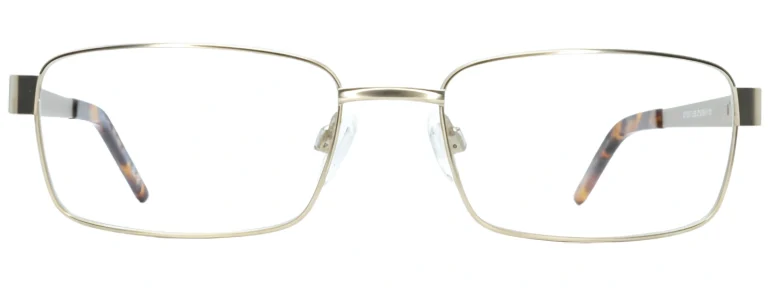
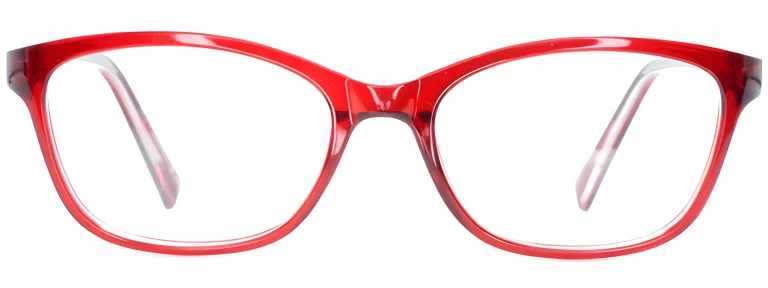
- Choose your frame. Shop the range and pick a frame you like. Most frames can be made up as sunglasses, so you are not limited to a separate sunglasses section. Lightweight acetate frames are a popular choice for sunglasses, holding a tint well and sitting comfortably in warm weather.
- Select your lens type. Choose single vision, bifocal or varifocal to match your prescription, just as you would for everyday glasses. Your prescription determines which you need.
- Choose your tint colour. Grey, brown and green are the main options, each suited to slightly different conditions. Grey keeps colours true, brown lifts contrast, and green balances the two.
- Choose your tint density. A 50% tint is lighter and suits variable or moderately bright conditions, while a 75% tint is darker for strong sunshine. Pick the density that matches where and how you will wear them.
- Decide on polarisation. Polarised lenses cut glare from reflective surfaces such as water and wet roads. They are available in grey, brown and green, and are well worth considering if you drive or spend time near water.
- Add UV protection and any other options. UV protection is essential in sunglasses to shield your eyes from ultraviolet light. You can also add an anti-reflective coating to the back surface to reduce reflections from behind.
- Enter your prescription and PD, then check out. Add your prescription details and pupillary distance, review your order, and complete it. Your sunglasses are then glazed to your specification.
Choosing Your Tint and Lens Options
The tint you choose shapes both how your sunglasses look and how they perform. Here is how the main options compare:
| Tint option | Density | Best for |
| Grey | 50% or 75% | True colour perception in bright light — an all-round choice |
| Brown | 50% or 75% | Enhanced contrast, good for variable light and driving |
| Green | 50% or 75% | Balanced contrast with natural colour, comfortable in sun |
| Polarised (Grey, Brown or Green) | Fixed | Cutting glare from water, wet roads and reflective surfaces |
Should I Choose Polarised Lenses?
Polarised lenses are worth considering if glare is a problem for you. They contain a filter that blocks the intense reflected light that bounces off flat surfaces — the dazzle from water, a wet road, or sunlight off a car bonnet. By cutting that glare, they improve both comfort and clarity in bright conditions, which is why they are popular with drivers and anyone who spends time near water.
They are available in grey, brown and green to suit your preference. One thing to note is that polarised lenses can make some digital screens harder to read at certain angles, though for most outdoor use the glare reduction is a clear benefit.
Prescription Sunglasses vs Photochromic Lenses
If you want one pair that works both indoors and out, photochromic lenses — which darken in sunlight and clear indoors — are an alternative to dedicated sunglasses. The trade-off is that a fixed-tint sunglass lens gives consistent, full darkness outdoors, while a photochromic lens is a compromise designed to do both jobs. Many people who spend significant time outdoors prefer a dedicated pair of prescription sunglasses for the strongest, most consistent protection. You can read more about lens coatings and tints to help decide.
Frequently Asked Questions
Can I get any glasses made as prescription sunglasses?
Most frames can be made up as prescription sunglasses with a tinted lens, so you are not limited to a separate sunglasses range. Choose the frame you like and add your tint and prescription when ordering.
What tint colour should I choose for sunglasses?
Grey keeps colours looking natural and is a versatile all-round choice. Brown lifts contrast and works well for driving and variable light. Green offers a balance of the two. All are available in 50% and 75% densities.
Are polarised prescription sunglasses worth it?
If you drive or spend time near water or other reflective surfaces, yes. Polarised lenses cut the glare those surfaces produce, improving comfort and clarity. They are available in grey, brown and green.
Do prescription sunglasses protect against UV?
Yes. UV protection shields your eyes from ultraviolet light and is an essential part of any pair of sunglasses, included to keep your eyes safe in bright conditions.
Can I get varifocal prescription sunglasses?
Yes. Prescription sunglasses can be made with single vision, bifocal or varifocal lenses, so you can have the same correction as your everyday glasses in a tinted pair.
Ready to Order Your Prescription Sunglasses?
With your tint, lens type and prescription chosen, ordering prescription sunglasses online is simple. When you are ready, you can shop glasses online at Glasses Store, choose a frame, and add your sunglass tint and prescription at checkout.