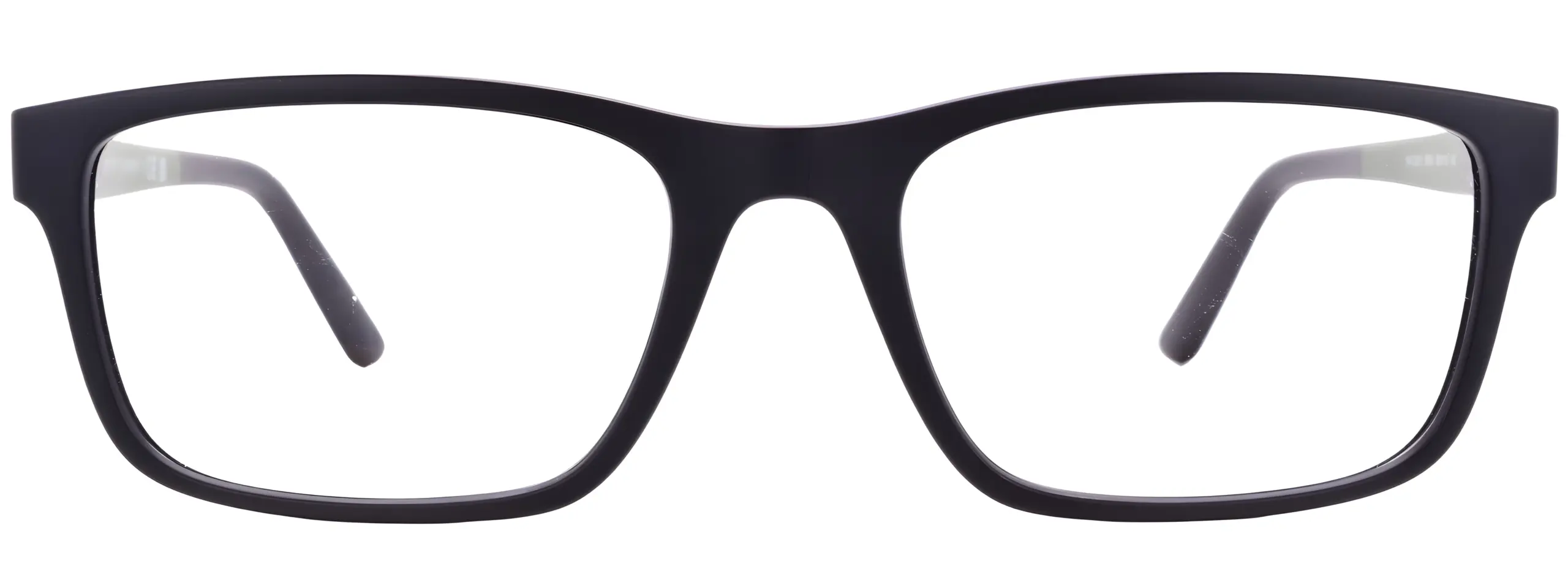
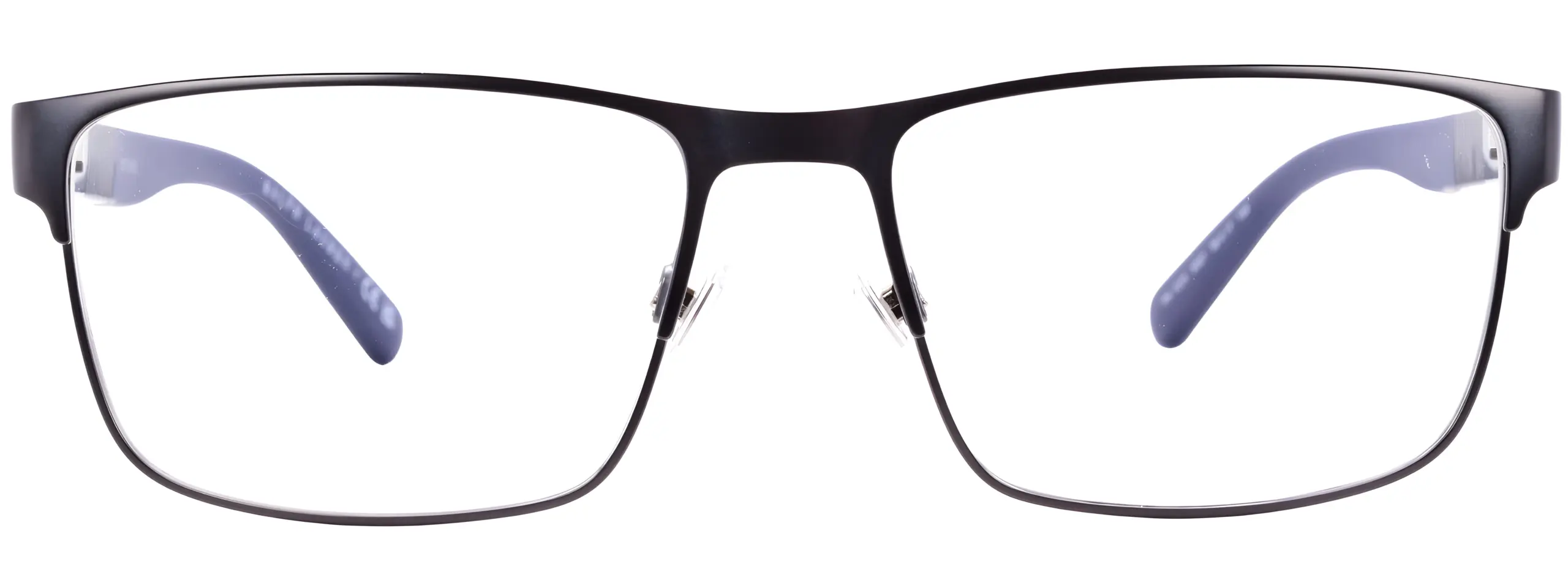
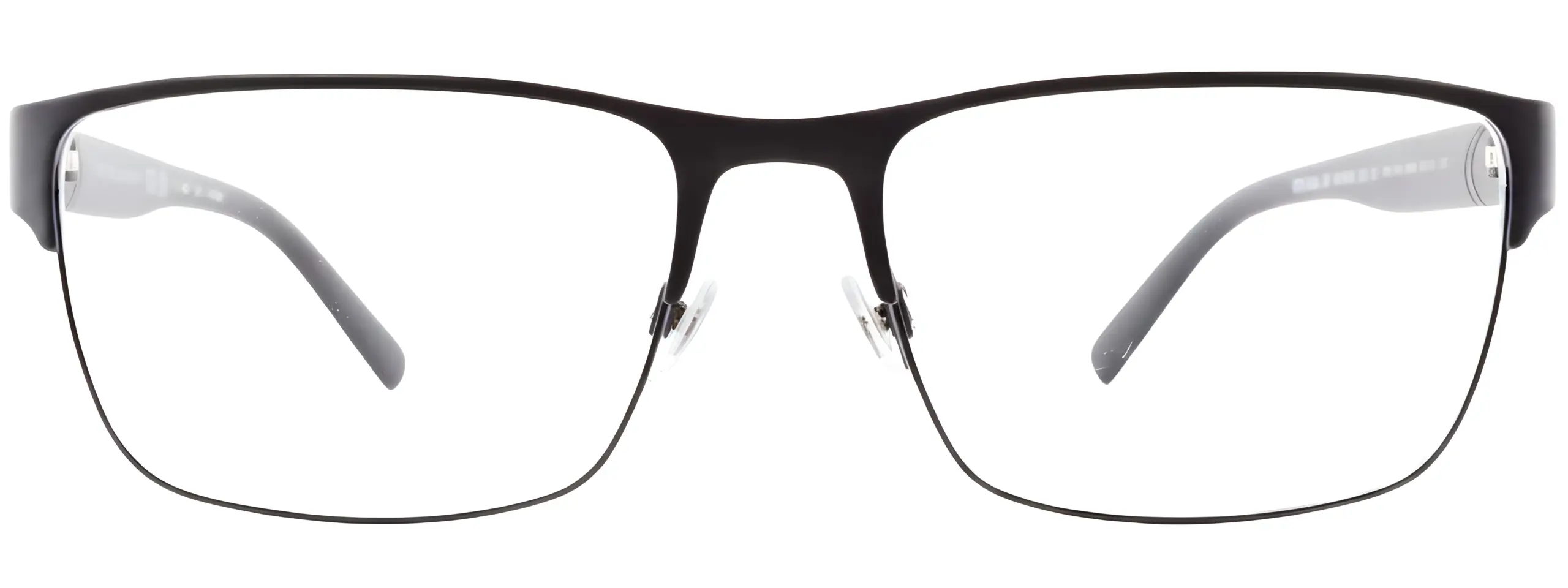
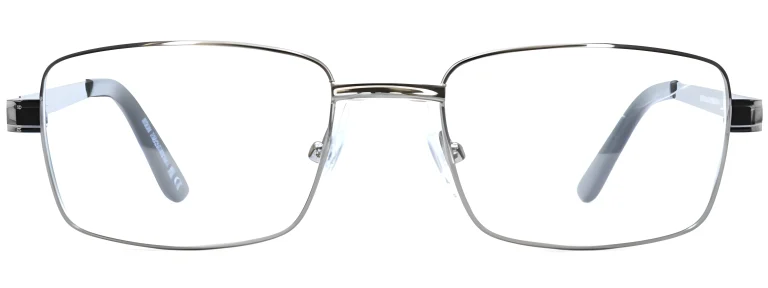
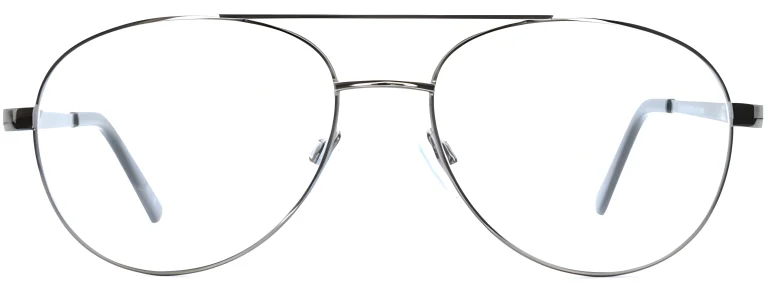
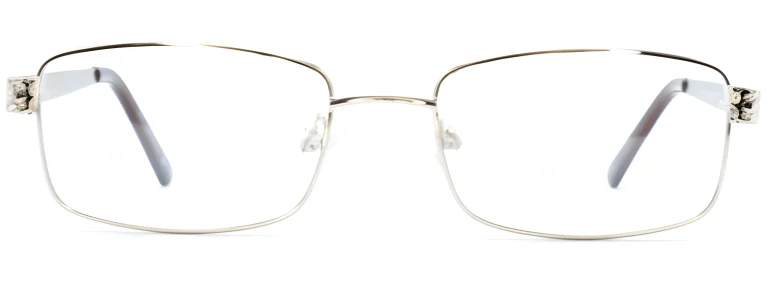
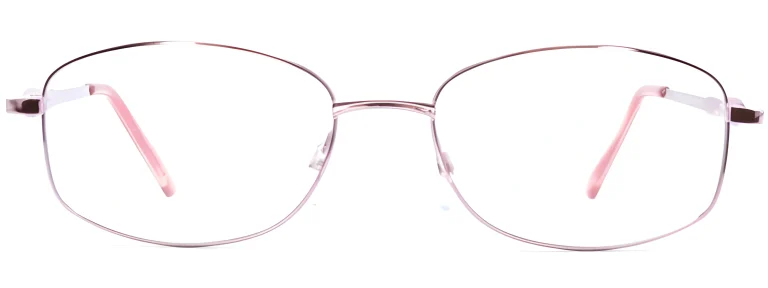
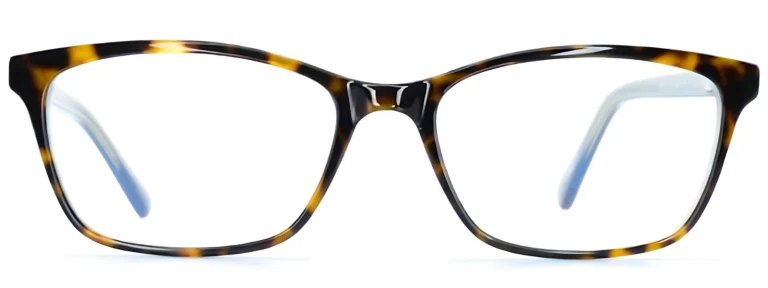
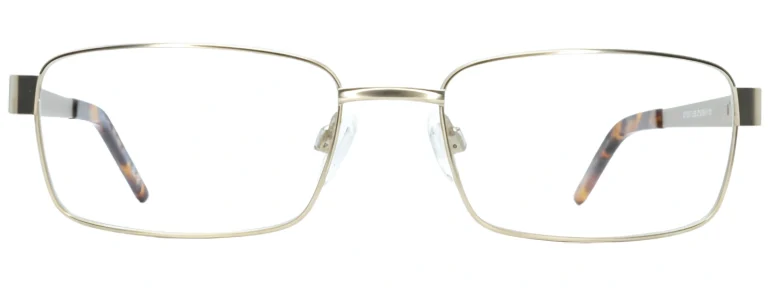
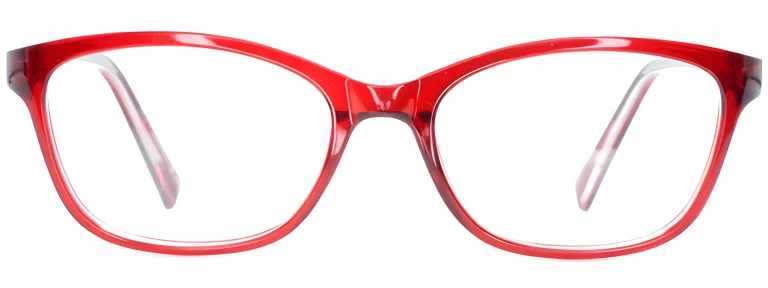



Varifocal glasses correct near, intermediate and distance vision in a single lens, with no visible dividing line. The prescription changes gradually from top to bottom — distance at the top, intermediate in the middle, reading at the bottom — so you can see clearly at every distance through one pair of glasses, without switching between reading and distance eyewear.
Switching between reading and distance glasses is a hassle, and alternatives like bifocals come with a visible line and a jump in focus. Varifocals offer a modern, all-in-one solution: up to three focal points in one lens, so everyday tasks no longer mean carrying multiple pairs. This guide explains how they work, who they suit, the packages available, and how to adjust to them.
What Are Varifocal Lenses?
Varifocal glasses — also called varifocals, progressive lenses, or PALs (progressive power lenses) — correct near and distance vision at the same time. The lens changes strength gradually from top to bottom, combining distance, intermediate and reading prescriptions in one seamless lens. That smooth transition gives a more natural viewing experience than lenses with defined segments.
The design allows comfortable vision across everyday activities, though it does take a little time for your brain to adapt to the different zones. That adjustment is normal and, for most people, short.
Understanding Varifocal Lenses
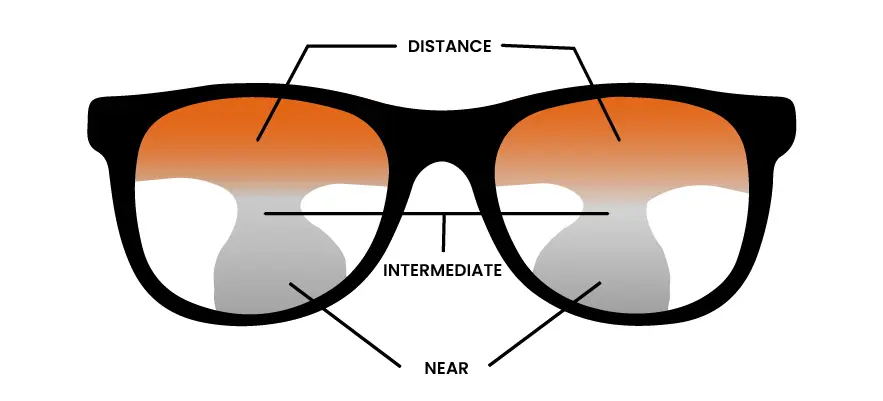
How Varifocals Compare With Single Vision and Bifocal Lenses
Varifocals give a seamless solution, but how do they differ from the alternatives? The table below compares them at a glance. For a fuller breakdown, see our guide on the differences between single vision, bifocal and varifocal lenses.
| Varifocal | Bifocal | Single Vision | |
| Vision correction | Near, intermediate and distance | Two distances | One distance |
| Appearance | No visible line | Visible dividing line | Simple, unobtrusive |
| Image jump | None — smooth transition | Can jump at the dividing line | None |
| Adjustment | Short adjustment period | Minimal | None |
| Presbyopia relief | Yes | Partial | No |
Who Can Benefit From Varifocal Glasses?
Varifocals are typically suited to people over 40 who need help focusing on nearby objects. Around this age, most people naturally develop presbyopia, where the eye’s lens gradually loses the flexibility that lets it focus up close. As that flexibility reduces year on year, near objects begin to appear blurred, and reading correction becomes necessary alongside any existing distance prescription.
Whether varifocals are right for you depends on your prescription and lifestyle. They are a strong choice in two situations in particular:
- You have more than one prescription. Varifocals correct vision at multiple distances in one lens, so whether you have short-sight, long-sight, astigmatism or presbyopia, they remove the need for separate pairs.
- You find bifocals uncomfortable. If the visible line or the image jump of bifocals bothers you, a varifocal gives a smoother transition and a more natural look with no line.
Varifocal Lens Packages
Glasses Store offers varifocal lenses in four packages. You choose your package first, then your lens index. The higher the package, the wider the corridor of vision — the clear central channel you look through — and the easier the lenses are to adapt to.
| Package | What it offers |
| Advanced | Our entry-level varifocal, with a narrower corridor of vision. Suited to first-time wearers or straightforward prescriptions |
| Premium | A mid-tier option with a wider corridor, reducing the head movement needed to find the clearest zone |
| Elite | Our top-tier all-round varifocal, with the widest corridor for the most natural vision at every distance, including driving |
| Occupational Office | A specialist varifocal for desk and screen use, with a wider intermediate zone. Not suitable for driving |
If most of your day is spent at a computer, the Occupational Office package gives a wider intermediate field than a standard varifocal, which many desk-based wearers find more comfortable. You can compare all four packages and choose yours on our varifocal lenses page.
The Advantages of Varifocal Glasses
- Versatility. One pair covers distance, intermediate and near vision, so there is no swapping between reading and distance glasses.
- A natural appearance. With no visible dividing line, varifocals look like ordinary glasses.
- Natural vision. The smooth transition between zones mimics how your eyes naturally shift focus, with less distortion than segmented lenses.
- Better peripheral vision. Varifocals generally offer improved peripheral vision compared with bifocals, which helps when walking or driving.
- A personalised fit. Varifocals are made to your measurements, including reading angle, which helps minimise discomfort and lets you wear them comfortably all day.
- Long-term value. Though the initial cost is higher, one pair doing the work of several can prove more economical over time.
Common Challenges and How to Solve Them
The adjustment period for varifocals varies from a couple of days to a few weeks. Some initial challenges are normal as your eyes learn to use the different zones of the lens. Here are the most common, and what helps.
Difficulty Focusing at Different Distances
This happens when you are not yet using the correct part of the lens for each task. Practice is the fix: spend time consciously looking through different parts of the lens, picking objects at varying distances and aligning your eyes with the right zone for each. It becomes automatic within a short time.
Eye Strain, Headaches or Dizziness
New wearers sometimes experience these as the eyes work harder to adapt. They usually settle within a couple of weeks. If they persist, check that the glasses sit correctly on your nose, as poor alignment can cause the same symptoms, and speak to your optician in case the lenses need adjusting.
Problems With Depth Perception
Varifocals may briefly affect how you judge distances, particularly on stairs or when placing objects down. Take extra care during these activities while your eyes adjust — hold handrails on stairs and pause to judge distances until your perception settles. This passes as you adapt.
How to Choose the Right Varifocal Glasses
Varifocal lenses have a transition power that requires precise alignment, so the frame you choose matters more than with single vision lenses. A frame that is too small may not leave room for all the vision zones, while one that is too large can mean moving your head more to find focus. Frame size also affects how much peripheral distortion you notice at the edges.
The Ideal Frame Size for Varifocals
The right frame depends on your face, but a few guidelines help ensure comfortable vision:
- A lens height of at least 30mm, to accommodate the different vision zones.
- Your pupil centred both horizontally and vertically in the lens, to avoid peripheral distortion.
- A frame that sits comfortably on your nose and ears without slipping or pinching.
The arms should hold the frame steady without pressure, and the bridge should support the weight comfortably, since a well-fitted frame keeps the lenses aligned with your eyes.
Factors to Consider
- Your package. Choose between Advanced, Premium, Elite and Occupational Office based on how wide a field of vision you want and your budget.
- The right frame. Pick a frame that fits comfortably and leaves adequate lens height for a smooth transition between zones.
- Coatings. Enhance your lenses with anti-reflective, anti-scratch, UV, polarised or blue light options for added comfort.
- Your lifestyle. Match the lenses to your day — reading, driving or screen work — so the package suits how you actually use them.
Caring for Your Varifocal Glasses
Good habits keep your lenses clear and your frames in shape. Avoid putting glasses in a pocket without a case, cleaning lenses with your shirt, or buffing them with your breath. For the full routine, see our guide on how to care for your prescription glasses.
- Remove them with both hands. Using one hand can loosen the arms so the glasses sit crooked. Hold both arms to take them off, and keep your fingers off the lenses.
- Clean them regularly. Use a gentle lens cleaner and lukewarm water, then pat dry with a microfibre cloth. Avoid harsh chemicals and rough materials that can damage the lenses.
- Store them properly. Keep them in a sturdy case away from extreme heat. Avoid placing them face down on hard surfaces.
- Don’t rest them on your head. This can spread the arms and leave them loose. Use a case, or a glasses cord around your neck, to keep track of them.
Frequently Asked Questions
How long does it take to get used to varifocal glasses?
Most people adjust within a few days to a couple of weeks as the eyes learn to use the different viewing zones. Choosing a higher package, with a wider field of vision, can make the adjustment easier.
Why are my varifocals blurry at the edges?
Some edge blur is normal and usually settles within a few days. If it persists beyond a couple of weeks, the cause may be peripheral distortion, a prescription that needs checking, or a frame that does not fit correctly, meaning you look through the wrong part of the lens.
Why are varifocals more expensive than other lenses?
Varifocals use precise, computer-aided design to create smooth transitions, and each pair is customised to your prescription and frame shape. Higher packages and thinner, high-index materials add to the cost but improve comfort and clarity.
What is the alternative to varifocals?
Bifocal and occupational lenses are the main alternatives. Bifocals correct two distances with a visible line, while occupational lenses are designed for near and intermediate work. Which suits you depends on your prescription and how you spend your day.
Can you watch TV and drive with varifocals?
Yes. The top of a varifocal lens is set for distance vision, making it suitable for driving, watching television and moving around, while the lower part handles reading and close work.
Varifocal Lenses: A Seamless Vision Solution
Varifocals are a modern, versatile solution for anyone needing correction at more than one distance, blending near, intermediate and far vision into a single lens. A short adjustment aside, they remove the need for multiple pairs and give a natural, personalised result. When you are ready, you can choose your varifocal lenses and frame, and our team can help you find the right package for your lifestyle.
Related Guides
Single Vision vs Varifocal Lenses: What’s the Difference?