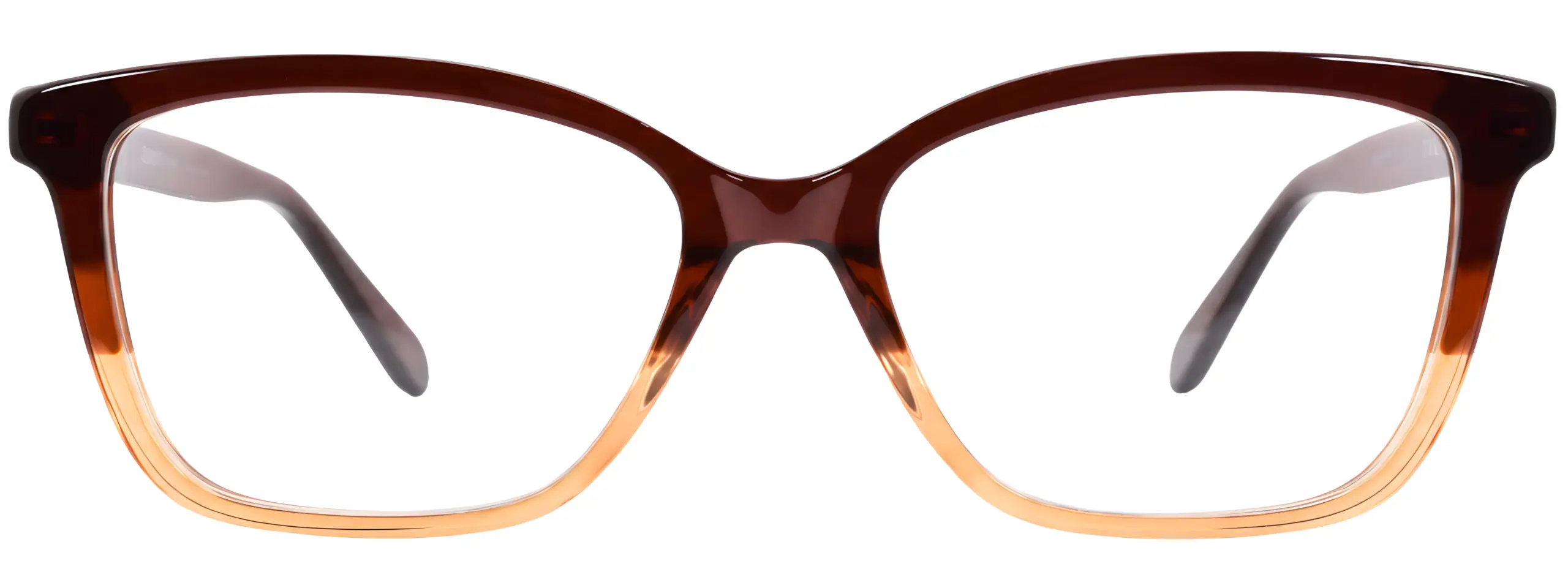
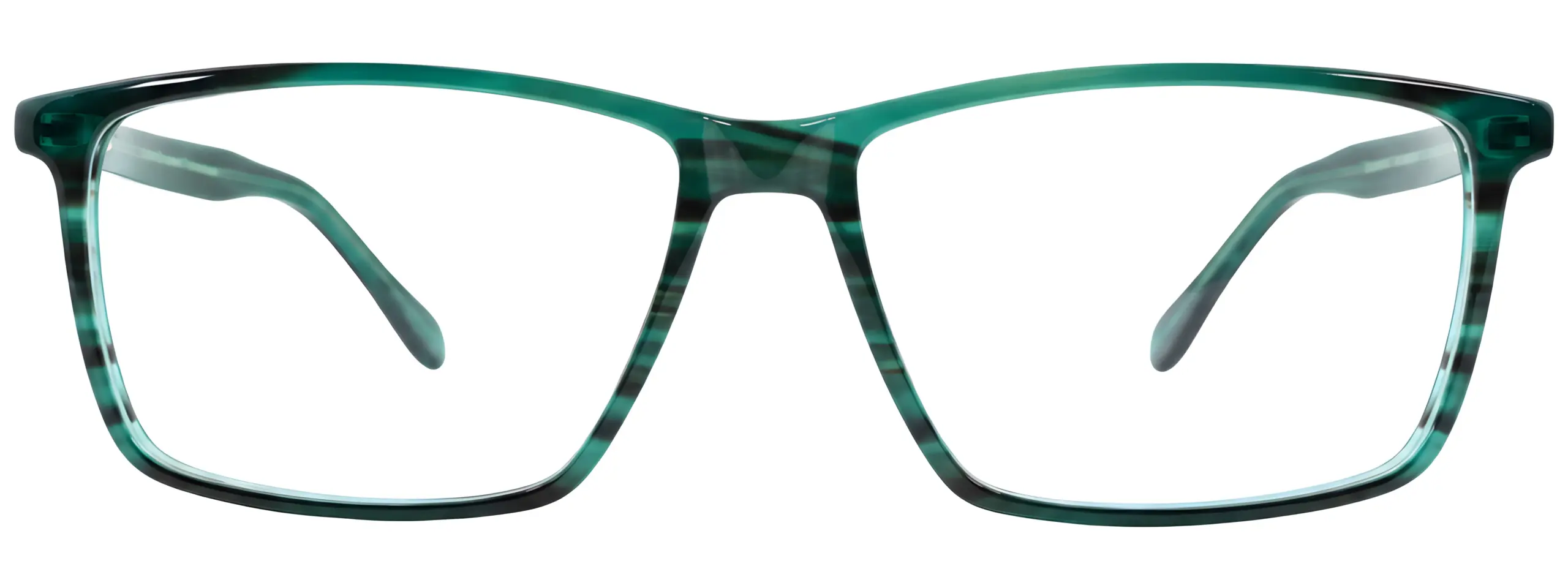
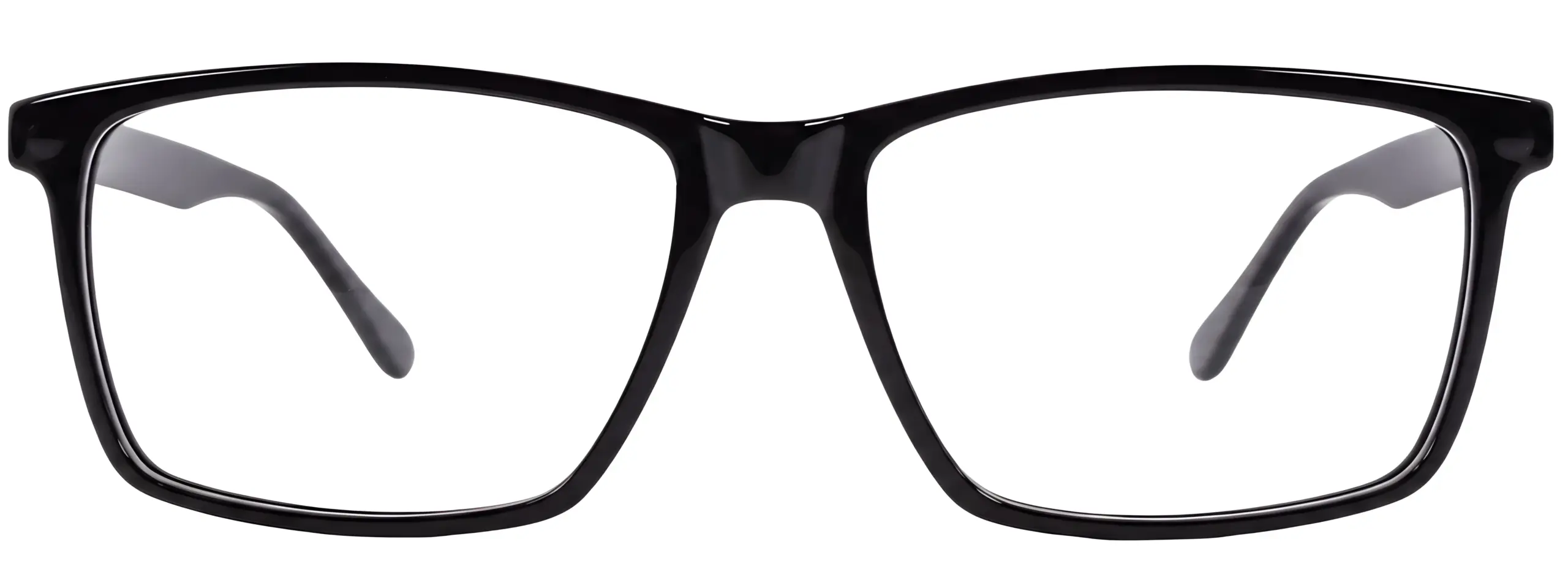
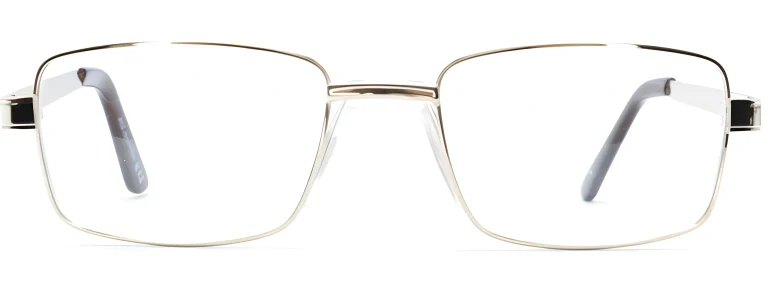
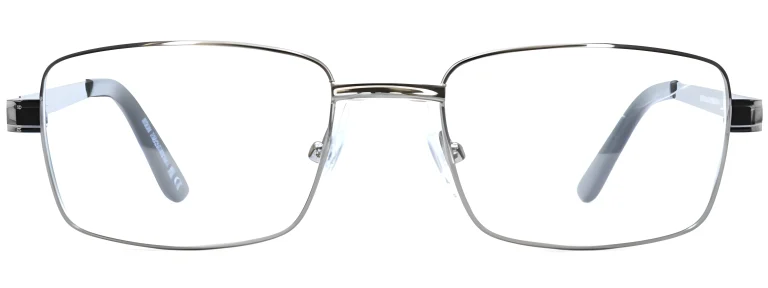
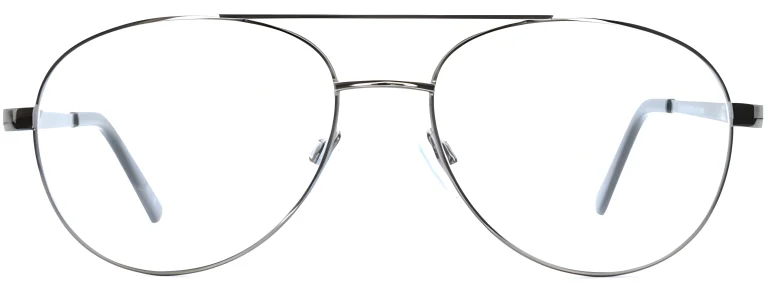
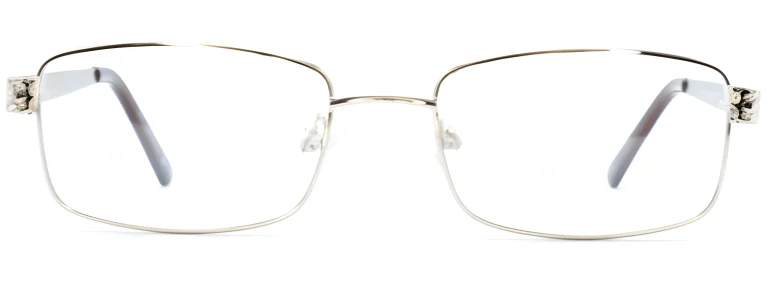
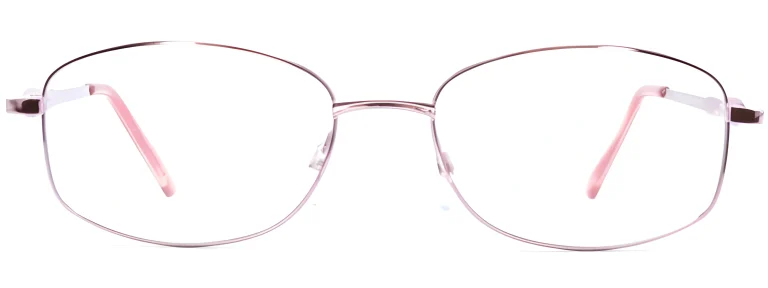



Bifocal and varifocal glasses both correct near and distance vision in one lens, but differently. Bifocals have two zones split by a visible line, with a jump between them and no dedicated intermediate zone. Varifocals blend near, intermediate and distance seamlessly, with no line. Bifocals are cheaper and quicker to adjust to; varifocals give clearer all-round vision and a modern look.
No more switching between pairs of glasses just to read a menu or spot a face across the room. Bifocal and varifocal glasses give that convenience by holding more than one prescription in a single lens — but how do you decide which is right for you? The answer lies in how each lens handles the distances you use most. This guide breaks down the differences, benefits and best uses of each.
What Are Bifocal Glasses?
Bifocal glasses have a visible line across the lens that divides two prescriptions. The top section corrects distance vision, and the lower section corrects near vision. They are usually prescribed for presbyopia, an age-related condition that makes it harder to focus on close objects.
When wearing bifocals, you move your eyes above or below the line to focus at each distance. It can take a little getting used to, but it gives clear vision for both near and far. Bifocals also have a long history — Benjamin Franklin is often credited with the original design, having combined two lenses to avoid switching between pairs.
Benefits of Bifocal Glasses
- Two distances in one lens. Distance and near correction in a single pair, with an easy switch between them.
- Cost-effective. Bifocals are generally more affordable than varifocals.
- Easy to adjust to. The clear division between zones makes the adjustment period short for most people.
- Everyday practicality. Suitable for reading, driving and watching television without swapping glasses.
Who Should Choose Bifocals?
Bifocals suit people who mainly need clear near and distance vision — for reading and driving, say — and who prefer a defined reading segment. If you want a straightforward, affordable solution for two distances and don’t spend long hours at an intermediate distance like a computer screen, bifocals offer functionality and simplicity.
What Are Varifocal Glasses?
Varifocal glasses, also called progressive lenses, give a seamless transition across near, intermediate and distance vision with no visible line. The top of the lens is set for distance, the middle for intermediate tasks such as computer work, and the lower part for near tasks such as reading. Because the change is gradual, they feel natural once you adjust.
The adjustment period for varifocals is typically a couple of weeks, as your eyes learn where to look through the lens for each distance. Most people settle quickly, and a higher varifocal package, with a wider field of vision, makes the transition easier.
Benefits of Varifocal Glasses
- Seamless transition. Smooth, unbroken vision across near, intermediate and distance, with no need for multiple pairs.
- All-day comfort. Ideal for constantly switching between reading, screens and distance.
- Modern appearance. No visible lines, for a cleaner, more attractive look than bifocals.
- Natural vision. The gradual change mimics how the eyes naturally shift focus, with clarity at every distance.
- Better peripheral vision. A continuous lens design gives broader peripheral vision than bifocals.
Who Should Choose Varifocals?
Varifocals suit people who want an all-in-one solution for distance, intermediate and near vision with no visible lines. If you move between tasks throughout the day — a screen, a document, the road, a face across the room — varifocals give the most natural, uninterrupted experience.
Key Differences Between Bifocal and Varifocal Lenses
| Feature | Bifocal glasses | Varifocal glasses |
| Lens design | Two distinct sections: one for distance, one for near | Smooth transition across near, intermediate and distance |
| Visible lines | A visible line divides the two zones | No visible lines, for a seamless look |
| Adaptation period | Shorter — users get used to two zones quickly | Longer, as the eyes adapt to the gradual change |
| Intermediate vision | Limited — a gap at arm’s-length distances | Clear, with a dedicated intermediate zone |
| Appearance | The visible line can look dated | Modern, with no lines or segments |
| Price | Generally more affordable | Higher, reflecting the more complex lens design |
| Vision clarity | Clear near and distance; intermediate may blur | Clear at all distances — near, intermediate and far |
Bifocals vs Varifocals: Which Should You Choose?
Varifocals are more aesthetically pleasing thanks to their line-free, single-vision appearance, and while they take a little longer to get used to, they give a more comfortable all-round experience with better peripheral and intermediate vision once you adjust. They are the better choice if you need clear vision at every distance, especially at a screen.
Bifocals have been around far longer and are more affordable. If you mainly need two distinct distances — near and far — and want a budget-friendly, quick-to-adjust option, they are a solid choice. If you’re still weighing it up, our guide on the differences between single vision, bifocal and varifocal lenses looks at which lens suits which lifestyle.
Frequently Asked Questions
Can I get bifocal lenses with a different prescription for each eye?
Yes. Bifocal lenses are made to your prescription, so each eye can have a different correction, just as with any other lens type.
Do varifocal glasses cause dizziness or discomfort?
Some people feel mild dizziness or discomfort at first as their eyes adapt, but this usually settles within a couple of weeks. Choosing a higher varifocal package, with a wider field of vision, can make the adjustment easier.
Can I use varifocal lenses for reading and computer work?
Yes. Varifocals cover near, intermediate and distance vision, so they work for reading, computer work and other tasks at multiple distances. If most of your day is at a screen, an occupational lens may be even more comfortable for that specific distance.
Which is easier to get used to, bifocals or varifocals?
Bifocals are generally quicker to adjust to, because the two zones are clearly divided. Varifocals take a little longer as your eyes learn the gradual transition, but most people adapt within a couple of weeks.
Are varifocals worth the extra cost?
It depends on your needs. If you want clear intermediate vision, a seamless look and all-day comfort across distances, varifocals are worth it. If you only need near and distance and want to keep costs down, bifocals do the job.
Still Unsure Which Is Right for You?
Both bifocals and varifocals free you from switching between pairs — the choice comes down to whether you want a defined, affordable two-zone lens or a seamless all-distance one. You can compare varifocal lenses and bifocal lenses, or shop glasses online and use the virtual try-on to see how each pair looks before you decide.
Related Guides
Single Vision vs Varifocal Lenses: What’s the Difference?
Differences Between Single Vision, Bifocal and Varifocal Lenses