


When ordering prescription glasses, one of the first choices you’ll make is the lens type. For most people, the decision comes down to single vision or varifocal — the two most commonly prescribed lens types in the UK.
This guide explains how each works, who they’re designed for, and how to know which one you need.
What Are Single Vision Lenses?
Single vision lenses have one prescription across the entire lens. They are designed to correct vision at a single distance — either distance or near — and are the most straightforward lens type available.
There are three main types of single vision prescription:
- Distance single vision — corrects short-sightedness (myopia) or long-sightedness (hyperopia) for clear vision at a distance. Used for driving, watching television, and most everyday tasks for those who are short-sighted.
- Reading single vision — corrects near vision for tasks like reading books, using a phone, or other close-up work.
- Intermediate single vision — corrects vision at a specific arm’s-length distance, most commonly used for computer screens. Also called occupational or desktop lenses.
Single vision lenses are the simplest lens to make, the easiest to adapt to, and the most affordable option. The vast majority of first-time glasses wearers are prescribed single vision lenses.
What Are Varifocal Lenses?
Varifocal lenses — also called progressive lenses — contain multiple prescriptions within a single lens, with a smooth gradient from one to the other. There is no visible dividing line.
A varifocal lens is divided into three functional zones:
- Top of the lens: Distance prescription — for driving and general distance vision
- Middle of the lens: Intermediate prescription — for computer screens and arm’s-length tasks
- Bottom of the lens: Near prescription — for reading and close-up work
Varifocal lenses are prescribed when a person needs correction at more than one distance — most commonly as a result of presbyopia, the age-related condition that causes difficulty focusing at close range. Presbyopia typically begins to develop in the early to mid-40s.
How to Know Which Lens Type You Need
The simplest way to know which lens type is right for you is to check your prescription:
- If your prescription has values in the SPH, CYL and Axis columns only (and no ADD value), you need single vision lenses.
- If your prescription includes an ADD value (the additional near power for reading), you need either varifocal, bifocal, or separate reading glasses — depending on your preference and lifestyle.
If you are unsure what the values on your prescription mean, our guide on how to read your glasses prescription explains every field in detail, including what ADD means and when it is prescribed.
Which Lens Type Is Right for Different Lifestyles?
For Short-Sighted Adults Under 40
Most people in this group need distance single vision lenses. If you only need glasses for driving or watching a screen, a single vision distance prescription is almost certainly what has been prescribed. You may have a separate reading prescription too — but it’s common for short-sighted younger adults not to need any correction for near tasks, as their short-sightedness naturally helps them focus up close.
For People Aged 40 and Over
Presbyopia usually means you’ll benefit from an ADD value on your prescription at some point after your mid-40s. At this stage, most people choose varifocals — particularly if they need to use computers regularly and don’t want to carry two pairs of glasses. For a detailed comparison of varifocals and bifocals, see our guide to varifocal vs bifocal glasses.
For Office Workers and Computer Users
If you spend a significant portion of your working day at a computer, your near and intermediate vision may need specific consideration. A standard distance single vision lens corrects for far distances — not typically for the arm’s-length distance of a computer screen. Varifocals cover this zone, but a dedicated occupational lens can provide an even wider, more comfortable field of view for desk work. Our guide to occupational lenses covers this in detail.
Adapting to Each Lens Type
Single vision lenses require essentially no adaptation. Because the prescription is consistent across the whole lens, you see clearly through any part of it.
Varifocal lenses have an adaptation period. When you first wear them, you’ll need to learn to look through the correct zone of the lens for each task — looking straight ahead for distance, slightly lower for a screen, and lower still for reading. Most people adapt within a few days, though it can take up to two weeks for others. The key is to wear them consistently rather than switching back to old glasses during the adjustment period.
Frames and Lens Type
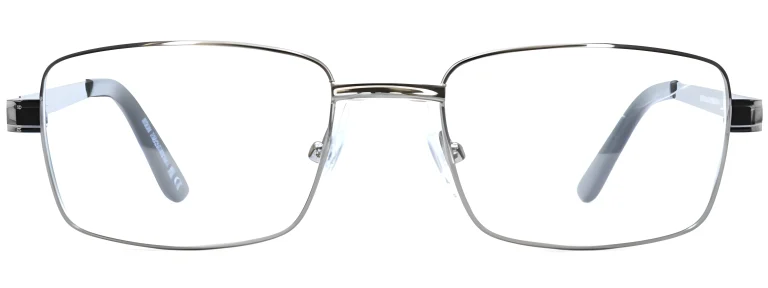
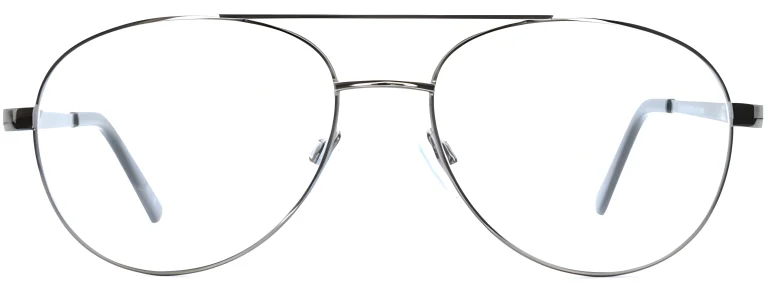
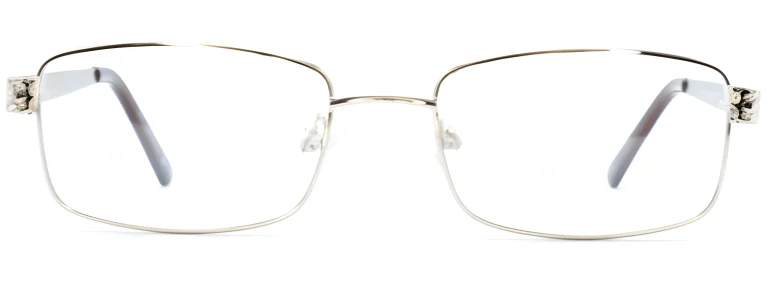
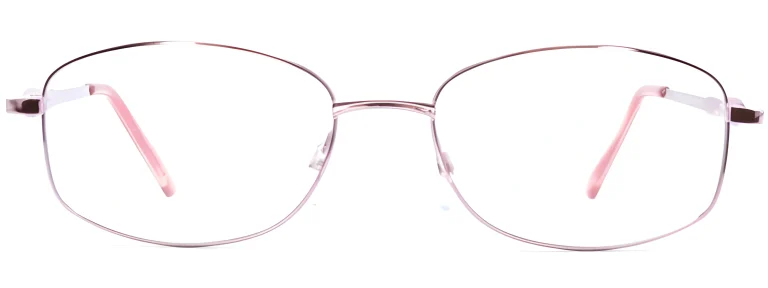
Single vision lenses work in virtually any frame shape or size. Varifocal lenses, however, require frames with sufficient vertical lens height (depth) to accommodate all three zones — typically at least 28–30mm. Very shallow frames, rimless designs, or very angular frames can reduce the functional areas of a varifocal lens. When choosing frames for varifocals at Glasses Store, the team can advise on which styles are suitable.
Ordering at Glasses Store
Glasses Store offers single vision and varifocal lenses across all frames in the full glasses range. Your lens type is selected during the ordering process, along with any coating options (anti-reflective, transitions, blue light filtering, and others). All lenses are glazed in-house.
Single vision orders placed before 3pm are eligible for next day delivery. Varifocal and higher prescription orders may take slightly longer to produce — see the shipping policy for current lead times.
If you need to check your prescription before ordering, or want to understand the PD measurement required at checkout, see our guide on what PD is and why it matters.
For clinical guidance on lens types and vision correction, the Association of British Dispensing Opticians (ABDO) and the College of Optometrists both provide patient-facing resources on their websites. Always consult a registered optometrist or dispensing optician for advice specific to your prescription.