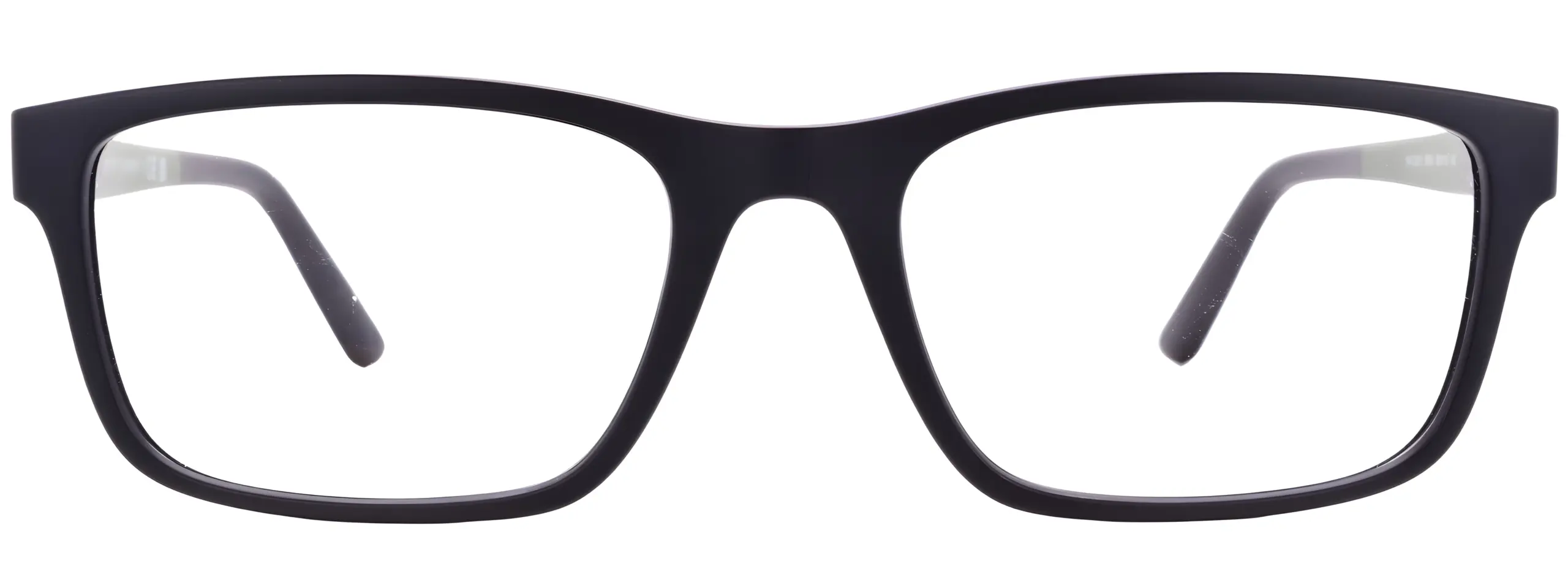
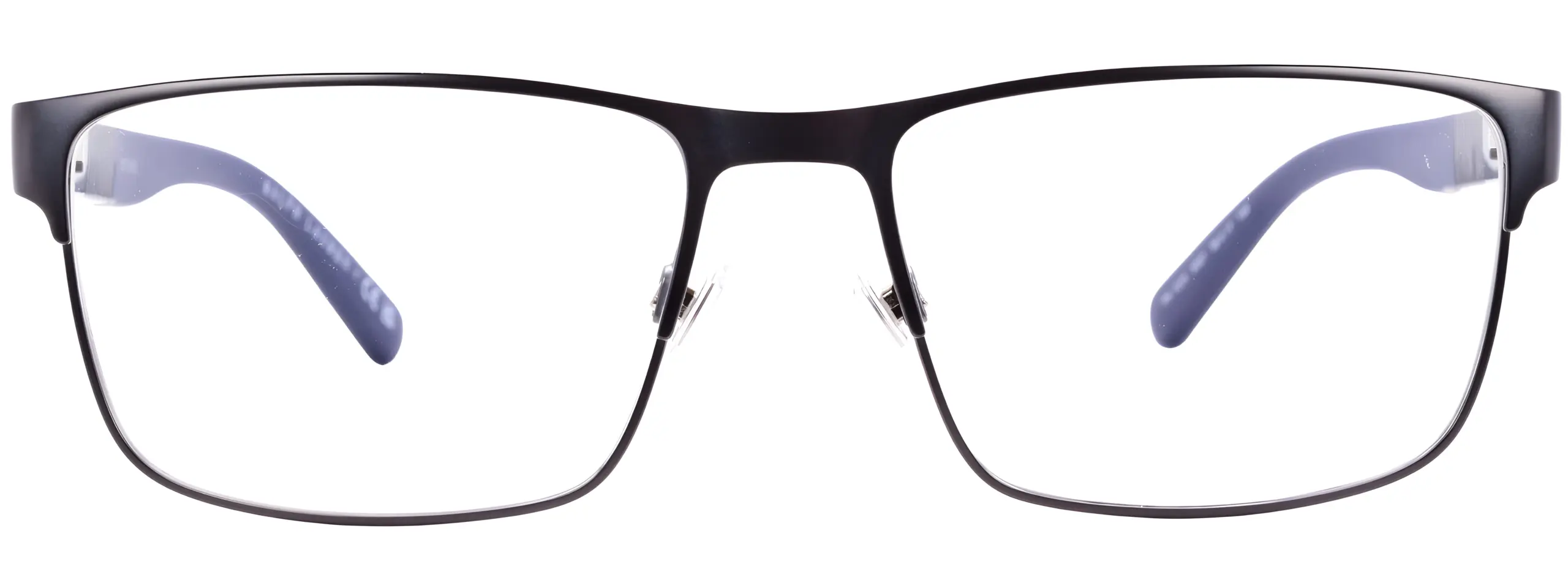
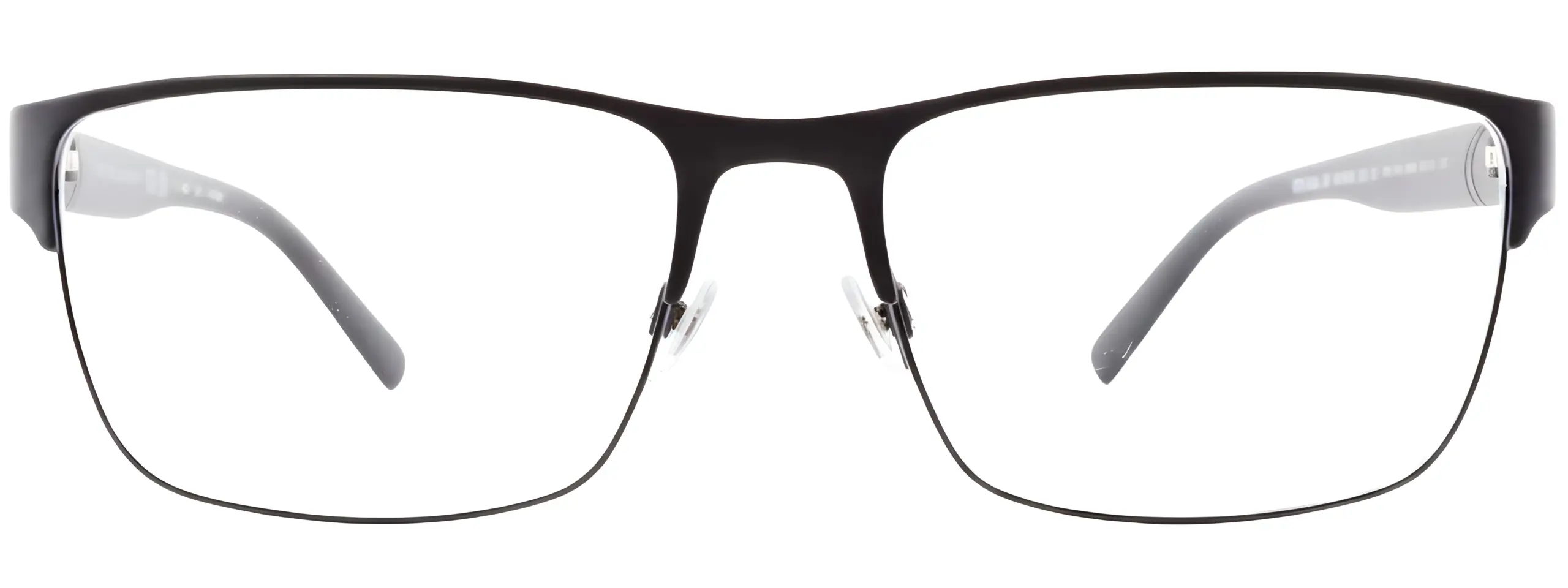
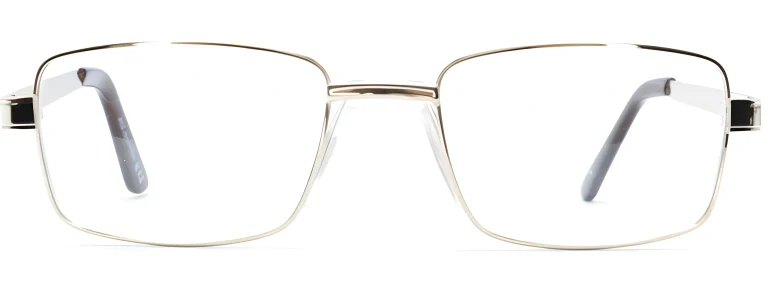



The best prescription lenses depend on how you use your glasses, not just your prescription. For a single task at one distance, single vision lenses are ideal. For desk and screen work, occupational lenses give the widest comfortable range. For switching between reading, screens and distance all day, varifocals cover every distance in one pair. This guide matches the right lens to how you actually live and work.
When choosing new glasses, the lens type matters just as much as the frame. But how do you decide which lenses suit your day-to-day needs — especially if you switch between tasks like reading, driving and working on screens? This guide breaks down the most practical lens choices based on how you use your glasses, whether that is long-distance vision, all-day wear, or close indoor work.
Best Lenses for Reading and Close-Up Tasks
If you only need help seeing up close, reading lenses — a type of single vision lens — are a simple and effective choice. They are ideal for reading books, menus and fine print, and for detailed tasks like knitting or sewing.
If your reading is mixed with screen work or document handling, as in an office, consider occupational lenses instead. These prioritise near and intermediate vision together, reducing neck strain and the need to keep removing your glasses.
Best Lenses for Screen Use and Office Work
For people at a computer most of the day, the intermediate distance matters most, and there are two strong options:
- Intermediate single vision lenses are set to your screen distance, usually around 60 to 100cm, giving sharp, comfortable focus at the screen.
- Occupational lenses are multi-zone lenses optimised for screen and desk distances, ideal for multitasking without constant head movement.
If you also need help seeing across the room — checking a presentation, for instance — varifocals offer full-range correction without switching glasses.
Best Lenses for Driving
Driving lenses should prioritise clarity at a distance. For most drivers, distance single vision lenses are enough. If you also need to read a sat nav or dashboard dials, varifocals give a smoother experience with no switching between pairs.
Two coatings are especially worthwhile for driving:
- An anti-reflective (MAR) coating reduces glare from headlights and street lights, which makes the biggest difference at night.
- Polarised lenses cut glare from harsh sunlight and reflective road surfaces, in a tinted or sunglasses lens.
Best Lenses for All-Day Wear
If you need to switch between reading, mid-range and distance vision throughout the day, varifocal lenses are the most convenient solution. They cover all distances in one pair, remove the need to carry multiple pairs, and avoid the visible line found in bifocals. Varifocals do require a short adjustment period, but modern designs offer improved peripheral clarity and easier transitions between vision zones.
Best Lenses for Outdoor and Leisure Use
If you wear glasses outdoors — for walking, sport or leisure — distance vision is usually the priority, and you can tailor the lenses to the conditions:
- Prescription sunglasses give full, consistent sun protection with your prescription built in.
- Photochromic (Transitions) lenses darken automatically in sunlight and clear indoors, for one adaptable pair.
Varifocals are also a practical outdoor choice if you read while out and about or need more than one correction through the day.
Quick Comparison: Lens Types by Lifestyle
Here is a simple summary to match your main activity to the lens type that usually suits it best:
| Activity | Best lens type |
| Reading only | Single vision reading lenses |
| Office and screen work | Occupational varifocal or intermediate single vision |
| Driving | Distance single vision, or varifocals |
| All-day, mixed use | Varifocal lenses |
| Outdoors and leisure | Distance or varifocals, with MAR, tint or polarised options |
Frequently Asked Questions
Can I use varifocals for working at a computer?
Yes, but if you sit at a fixed screen distance for hours, occupational lenses may feel more comfortable, as they widen the intermediate zone you use most at a desk.
Are single vision glasses enough for both driving and reading?
Not in one pair. Single vision corrects one distance, so you would need separate pairs for distance and reading — unless you choose varifocals or bifocals, which combine both.
What if I only need glasses for reading?
Single vision reading lenses are the simplest and most cost-effective choice. They correct near vision only, which is all you need for reading and close work.
How do I know if occupational lenses are right for me?
If you spend a lot of time switching between reading and screens or documents, occupational lenses reduce the strain and neck movement that standard varifocals can cause at a desk.
Are varifocals harder to get used to?
They can take a few days to adjust to, especially the peripheral zones, but most people adapt quickly with consistent wear and a proper fit. A higher varifocal package, with a wider field of vision, makes the adjustment easier.
Choosing the Right Lenses for Your Routine
The best prescription lenses are not defined by type alone — they are chosen around how you live and work. Whether you focus on one task or juggle several distances, there is a lens that fits your routine. You can shop glasses online, pick your frame, and customise your lenses to match whether you need help reading, driving, working at a desk, or all of the above.
Related Guides
Single Vision vs Varifocal Lenses: What’s the Difference?