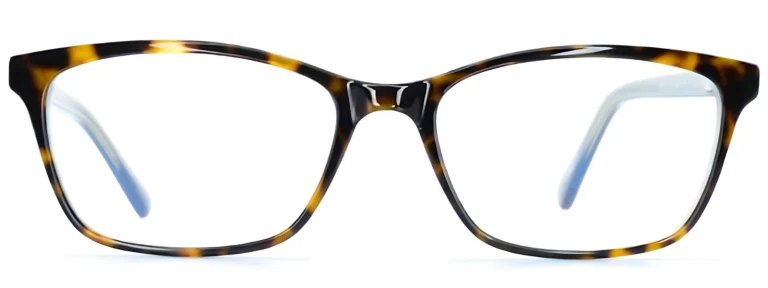
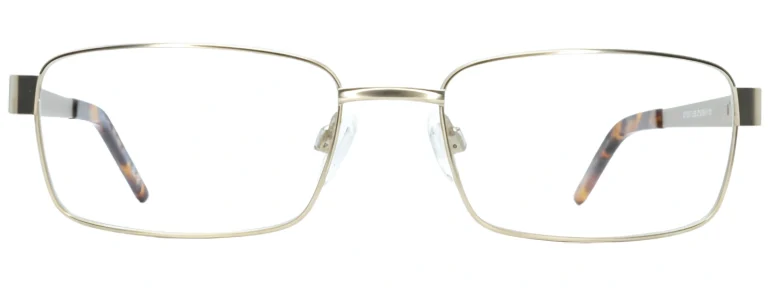
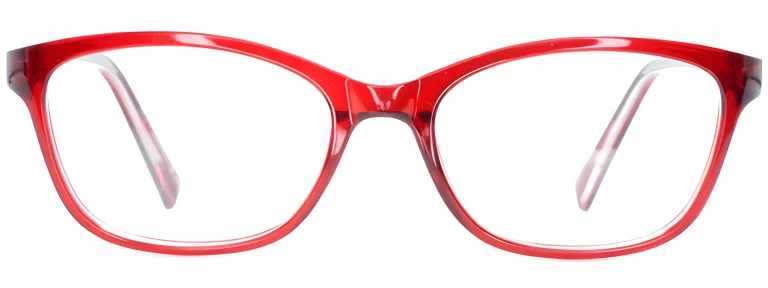



Do blue light glasses work? The honest answer is that the evidence is weak. The largest independent review of the research — a 2023 Cochrane review of 17 randomised controlled trials — found that blue light filtering lenses probably make little or no difference to eye strain from screens or to sleep quality, and found no evidence they protect the retina. They are not harmful, and some people find them comfortable, but they are not the fix for screen fatigue they are often marketed as.
Blue light glasses are one of the most talked-about products in eyewear, and one of the most misunderstood. This guide sets out what blue light actually is, what the science genuinely shows, what really causes screen-related eye strain, and the evidence-based steps that do help — so you can decide whether blue light lenses are worth it for you.
What Is Blue Light?
Blue light is high-energy, short-wavelength light on the visible spectrum, roughly in the 400 to 500 nanometre range. It is emitted naturally by the sun — which is by far your largest daily source — and artificially by LED screens, monitors, phones, tablets and LED lighting. Because screens are used for long periods and often close to the face, blue light from devices has become a common worry, though the amount involved is very small compared with daylight.
Do Blue Light Glasses Actually Work?
This is the question that matters, and it deserves a straight answer. In 2023, Cochrane — an internationally respected body that reviews medical evidence — published a systematic review of 17 randomised controlled trials examining blue light filtering lenses. According to the Cochrane review, these lenses probably make no difference to eye strain caused by computer use, and no difference to sleep quality. The review also found no evidence that they protect the retina from damage.
That does not mean everyone who wears them is imagining a benefit. Some people report feeling more comfortable, and blue light lenses are low-risk, so there is little harm in trying them. But the current, best-available evidence does not support the stronger claims often made about them. An honest summary is this: they may offer subjective comfort for some, but they are not a proven treatment for eye strain or poor sleep.
Then What Actually Causes Screen Eye Strain?
If blue light is not the main culprit, what is? The discomfort most people feel after a long day at a screen is usually digital eye strain, sometimes called computer vision syndrome. It is caused less by the light itself and more by how we use screens:
- Reduced blinking. We blink far less when concentrating on a screen, which dries and irritates the eyes.
- Focusing effort. Holding focus at one fixed distance for hours tires the eye’s focusing muscles.
- Screen glare and contrast. Reflections and poor contrast make the eyes work harder.
- Poor ergonomics. Screen distance, height, and lighting all affect comfort.
Because these are the real causes, the most effective solutions target them directly — which is why an anti-reflective coating and good screen habits tend to help more than a blue light filter.
What Actually Helps With Screen Comfort
The evidence points clearly towards behaviour and environment over any single lens coating. The steps below are the ones most eye-care professionals recommend:
- The 20-20-20 rule. Every 20 minutes, look at something around 20 feet away for 20 seconds, to relax the focusing muscles.
- Blink consciously and stay hydrated. Remind yourself to blink fully, and consider lubricating drops if your eyes feel dry.
- Sort out glare and lighting. Position screens to avoid reflections, and balance screen brightness with the room.
- Get the ergonomics right. Keep the screen about an arm’s length away and slightly below eye level.
- Reduce screens before bed. For sleep, reducing evening screen use and dimming devices is better supported than relying on a lens to fix it.
An Anti-Reflective Coating Is Often the Better Choice
If your goal is more comfortable screen time, an anti-reflective (MAR) coating is usually a more useful upgrade than a blue light filter. By cutting the reflections that bounce off your lenses from screens and overhead lighting, it directly reduces one of the genuine causes of visual fatigue. You can read more about how an anti-reflective coating works and who benefits most.
So Should You Choose Blue Light Lenses?
There is a reasonable case for trying them in some situations, as long as your expectations are realistic. They are low-risk and inexpensive as an add-on, and if you find them comfortable, that is a valid reason to wear them. Some people who use screens heavily in the evening, or who are simply curious, prefer to have the coating.
What they should not be is your only strategy for screen comfort or sleep, because the evidence does not support that. If you would still like the coating, blue light filtering is available as an optional upgrade on all lens types and indexes at Glasses Store, with or without a prescription. You can add blue light lenses at the coatings step when you order.
Frequently Asked Questions
Do blue light glasses actually work?
The best available evidence, including a 2023 Cochrane review of 17 trials, suggests they probably make little or no difference to eye strain or sleep quality. Some people find them subjectively comfortable, but they are not a proven treatment for screen fatigue.
Do blue light glasses help you sleep?
The evidence is weak and inconsistent. Reducing screen use and dimming devices in the evening is better supported for sleep than relying on blue light lenses. If poor sleep is a concern, changing evening screen habits is the more reliable step.
What actually causes eye strain from screens?
Digital eye strain is mainly caused by reduced blinking, sustained focusing at one distance, screen glare and poor ergonomics — not by blue light itself. Addressing those factors is the most effective way to reduce discomfort.
Is an anti-reflective coating better than blue light filtering for screens?
For many people, yes. An anti-reflective coating reduces glare and reflections from screens and lighting, which is a genuine cause of visual fatigue, so it often does more for screen comfort than a blue light filter.
Are blue light glasses harmful?
No. They are considered low-risk. The point is not that they cause harm, but that the evidence does not support the benefits often claimed for them. If you find them comfortable, there is no reason not to wear them.
The Honest Bottom Line
Blue light glasses are not the screen-fatigue cure they are often sold as — the strongest evidence shows little measurable benefit. What genuinely helps is how you use screens, good lighting, and a reflection-cutting anti-reflective coating. If you would still like blue light filtering for comfort or peace of mind, it is available as a low-cost upgrade. To understand your full range of options, see our guide to lens coatings.