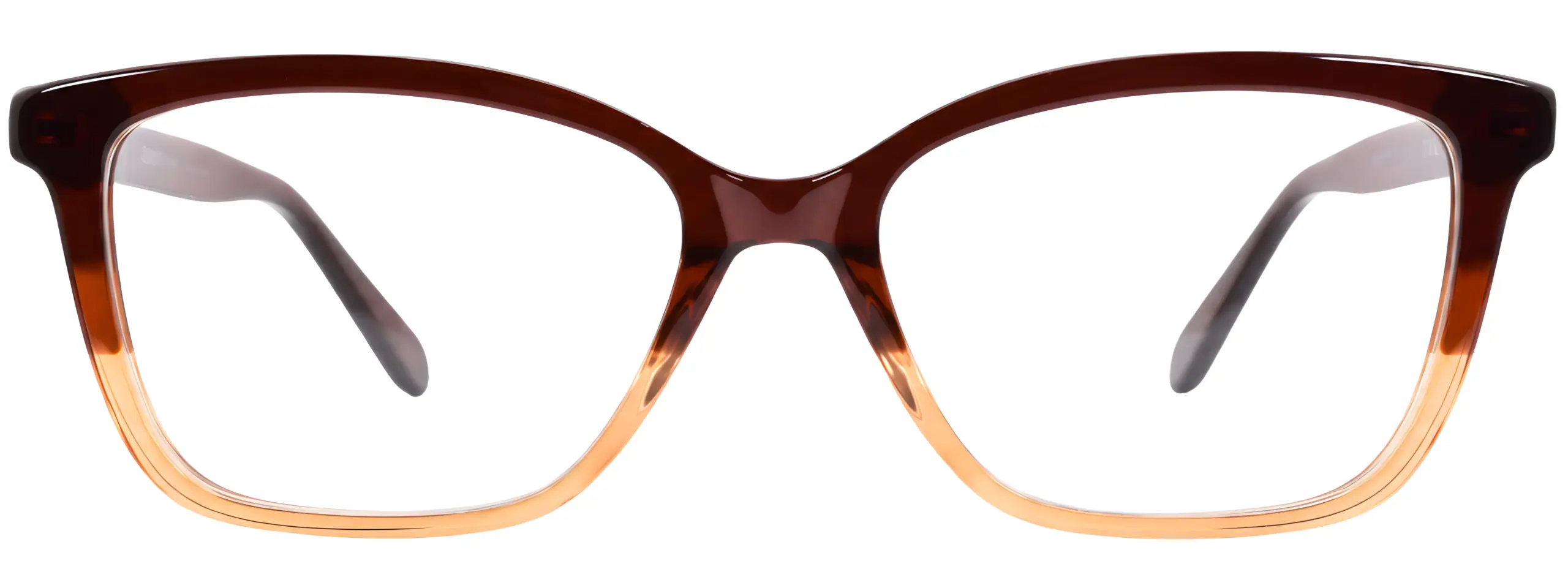
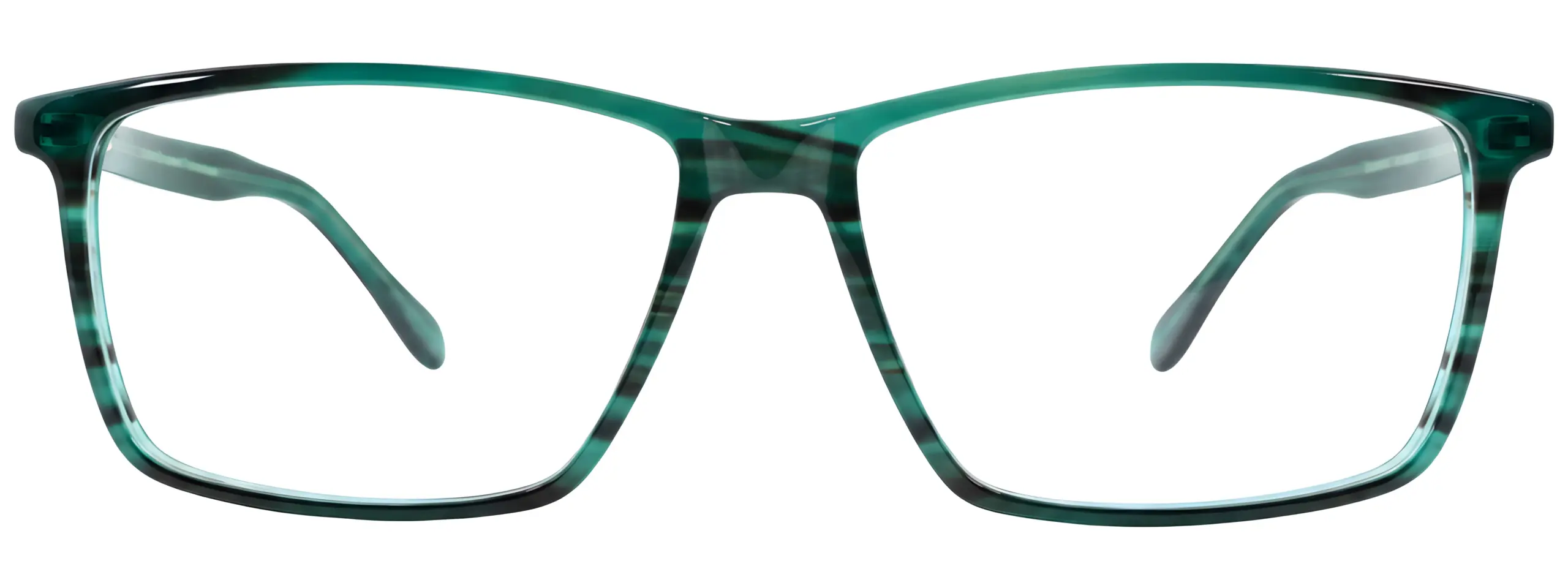
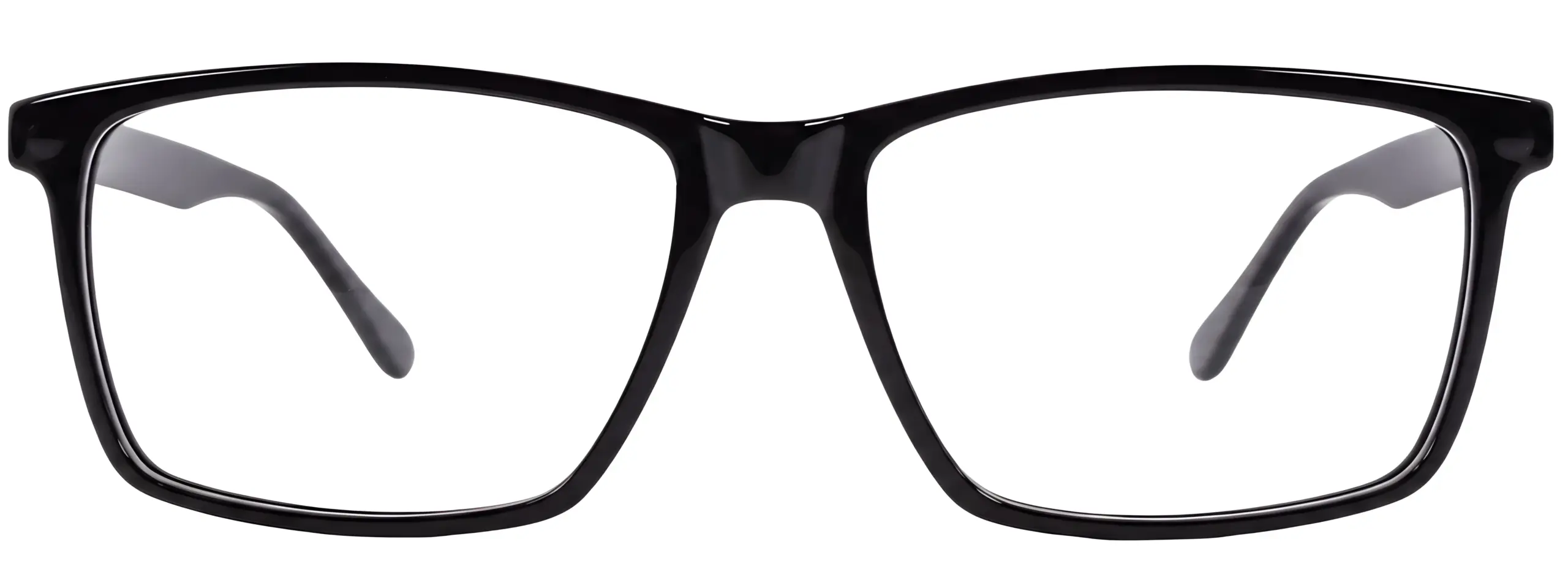
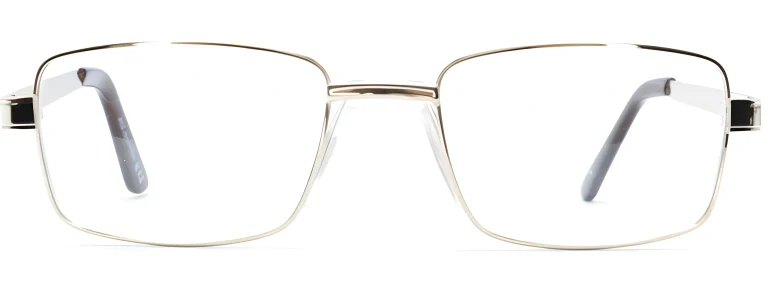
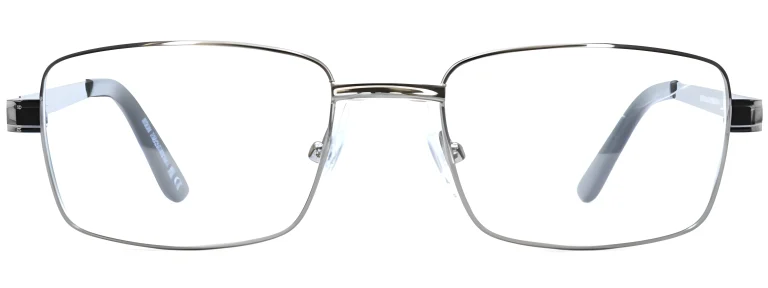
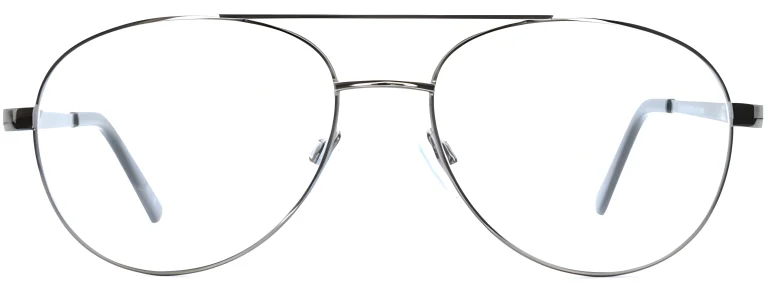
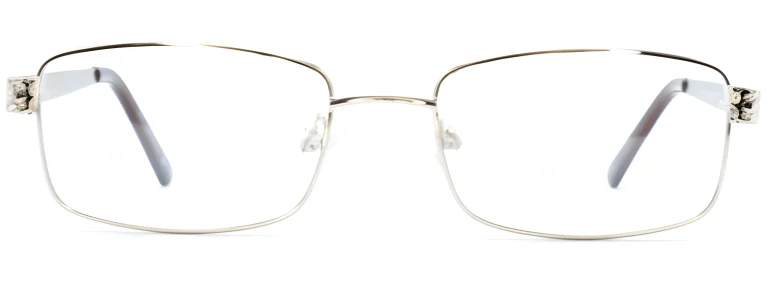
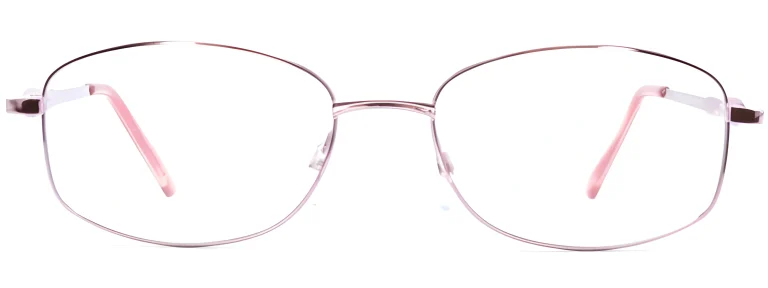
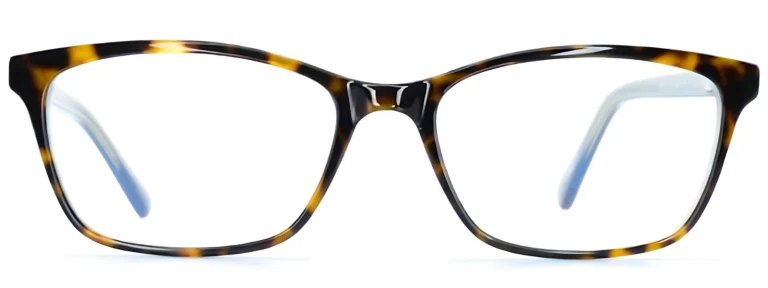
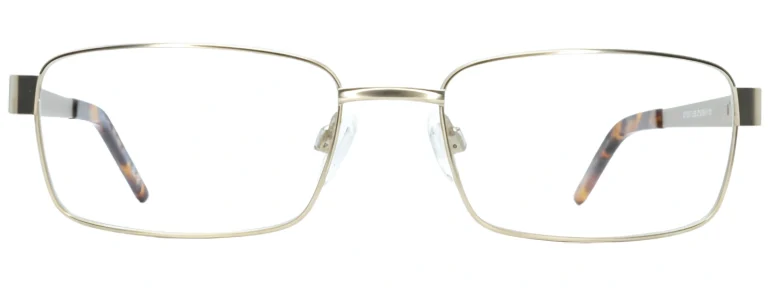
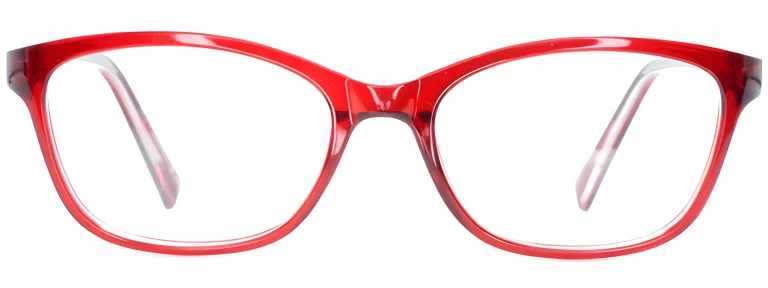
The difference is simple: prescription glasses are made to correct your vision, tailored to each eye, while non-prescription glasses have no corrective power and are worn for style, blue light filtering, or basic magnification. If you have blurred vision, eye strain or a diagnosed vision condition, you need prescription glasses. If you just want a fashion frame or screen comfort, non-prescription may be enough.
Choosing the right type of glasses matters for both clear vision and comfort. Many people are unsure whether they need prescription or non-prescription glasses, and the answer depends on your eyes and how you plan to use them. Understanding the key differences makes the choice straightforward.
What Are Non-Prescription Glasses?
Non-prescription glasses do not correct refractive errors and do not require a prescription. They serve several purposes:
- Fashion glasses — clear-lens frames worn purely for style.
- Blue light glasses — lenses that filter some of the blue light from screens.
- Safety glasses — protective eyewear for certain work environments.
While they don’t provide customised vision correction, non-prescription glasses can still offer benefits such as eye protection and a style you like.
Are Over-the-Counter Reading Glasses Non-Prescription?
Over-the-counter (OTC) reading glasses, or ready-made readers, are slightly different. They do carry a lens power, but they are mass-produced with the same strength in both lenses. They are designed for people experiencing presbyopia and come in pre-set strengths, typically from +0.50 to +4.00 dioptres.
They are affordable and available without a prescription, and useful for occasional reading if both eyes need similar correction. The drawback is the one-size-fits-all design: it doesn’t account for different prescriptions in each eye, and the lens quality is lower than custom-made reading lenses. If your eyes differ, made-to-prescription reading glasses are more comfortable.
Key Differences Between Prescription and Non-Prescription Glasses
| Feature | Prescription glasses | Non-prescription glasses |
| Vision correction | Tailored to your prescription | No corrective power (fashion, blue light, etc.) |
| Customisation | Adjusted for each eye’s needs | Same lens power in both eyes (if OTC readers) |
| Lens quality | High-quality materials with coatings available | Basic lens quality, mass-produced |
| Usage | Daily wear for clear vision | Occasional use or style purposes |
| Cost | Higher, due to custom lenses | More affordable, but limited in function |
When to Choose Prescription Glasses
If you experience any of the following, prescription glasses are the right choice:
- Blurry vision at any distance.
- Frequent headaches or eye strain.
- Difficulty focusing on near or distant objects.
- A vision condition diagnosed by an optometrist.
Because prescription glasses are made specifically for your eyes, they give better clarity, prevent discomfort, and support your overall eye comfort. They are also available in single vision, bifocal and varifocal forms to match how you use them.
When Non-Prescription Glasses Might Be Enough
Non-prescription glasses may suit you if:
- You want a fashion accessory with no corrective function.
- You spend hours on screens and would like a blue light filter.
- You need occasional magnification for reading and both eyes are similar.
- You need protective eyewear for work or an activity.
Can Non-Prescription Glasses Harm Your Eyes?
Wearing non-prescription glasses will not damage your eyes, but they can cause discomfort if used incorrectly. For example:
- OTC reading glasses in the wrong strength can lead to eye strain and headaches.
- Ill-fitting frames can cause pressure points and discomfort.
- Wearing readers for tasks they are not suited to can tire the eyes.
If you have persistent discomfort, blurred vision or headaches, it is worth having a professional eye test to check whether you need prescription lenses. The NHS recommends most adults have a sight test at least every two years.
Frequently Asked Questions
What is the difference between prescription and non-prescription glasses?
Prescription glasses are made to correct your vision, tailored to each eye. Non-prescription glasses have no corrective power and are worn for style, blue light filtering, or basic magnification.
Do I need a prescription for blue light glasses?
No. Blue light filtering is available on both prescription and non-prescription lenses. If you don’t need vision correction, you can have the filter on plain lenses; if you do, it can be added to your prescription lenses.
Are ready-made reading glasses as good as prescription ones?
For occasional reading with similar vision in both eyes, they can be fine. But they use the same power in both lenses and are lower quality than custom reading lenses, so they may cause strain if your eyes differ.
Can non-prescription glasses damage my eyes?
No, they won’t damage your eyes, but the wrong strength of reader or an ill-fitting frame can cause temporary eye strain or headaches. Persistent discomfort is a sign to have an eye test.
Which should I choose?
If you have any vision correction needs, choose prescription glasses for clarity and comfort. If you only want a fashion frame, screen comfort or occasional magnification, non-prescription options may be enough.
Finding the Right Glasses for You
Both types have their place — prescription glasses for clear, corrected vision, and non-prescription glasses for style, screen comfort or occasional reading. If you need corrective lenses, you can shop glasses online with custom lenses, coatings and a virtual try-on that also measures your PD. If you’re unsure which is right, our team is on hand to help.
Related Guides
Transitions Lenses vs Prescription Sunglasses: Which Is Best?
Lens Coatings for Glasses Explained
What Glasses Suit My Face? A Face Shape Guide