Types of Glasses: A Complete Guide to Choosing the Right Pair
Glasses fall into a few main types. By lens, they are single vision (one distance), bifocal (two distances with a line), or varifocal (near, intermediate and distance with no line). By purpose, they range from everyday prescription glasses to reading, driving, and sunglasses. This guide explains the types of glasses, lenses and frames so you can choose the right pair for your needs.Glasses are more than a vision aid — they are part of daily life for millions of people. Whether you need them for reading, driving, or comfort at a screen, choosing the right pair means better clarity and comfort. This guide breaks down the different types of glasses, lenses and frames, and how to decide which suits you.
Prescription Glasses: Tailored for Clear Vision
Prescription glasses correct vision problems such as myopia (short-sightedness), hyperopia (long-sightedness), astigmatism, and presbyopia. Unlike ready-made lenses, they are made to match the optical requirements of each eye, giving accurate focus and reducing strain. The main types are grouped by how many distances they correct.
Single Vision Glasses
Single vision glasses have one prescription across the whole lens, correcting a single distance — near, intermediate or distance. They are the most common type, prescribed for short-sightedness or long-sightedness, and they ensure light is focused correctly onto the retina. According to the NHS, long-sightedness is one of the most common refractive errors these lenses correct.

Bifocal Glasses
Bifocal glasses combine two prescriptions in one lens, with a visible dividing line — the upper portion for distance vision and a lower segment for reading. They suit people with presbyopia who need both distance and near correction but prefer a clearly defined reading area. They take a little time to adjust to, and are available up to 1.67 lens index.

Varifocal Glasses
Varifocal glasses provide a seamless transition between near, intermediate and distance vision. Unlike bifocals, they have no visible dividing line, which makes them a popular choice for a more natural viewing experience. There is a short adjustment period as your eyes learn to use the different zones of the lens.

Reading Glasses
Reading glasses are single vision lenses set for close work — reading, sewing and other detailed tasks at near distance. Made to your prescription, they account for the differences between your eyes, unlike generic off-the-shelf readers that carry the same strength in both lenses and can cause strain if they do not match your needs.
Driving Glasses
Prescription distance lenses improve clarity, depth perception and contrast for safer driving, especially in low light. An anti-reflective (AR) coating is well worth adding, as it reduces glare from headlights and street lights, while polarised lenses cut glare from wet roads and bright sunlight.
Non-Prescription and Specialist Glasses
Not all glasses correct vision. Some offer protection, comfort or style, and several are available in both prescription and non-prescription forms.
Blue Light Glasses
Blue light glasses filter some of the blue light from screens and artificial lighting. They are popular with people who spend long hours on computers and devices, though the evidence for their benefit is mixed. They are available as an optional coating on most lens types, with or without a prescription.
Sunglasses
Sunglasses protect the eyes from UV light, reducing the risk of long-term damage, and cut brightness in strong conditions. Polarised lenses reduce glare from reflective surfaces, making them ideal for driving and outdoor activities. They can also be made with prescription lenses for those who need vision correction — see our guide on how to buy prescription sunglasses.
Non-Prescription Glasses
For those who don’t need vision correction, non-prescription glasses offer the style of a frame with plain lenses, and can still carry coatings such as blue light filtering or a tint.
Lens Index: Thinner Lenses for Stronger Prescriptions
As well as the type of lens, the lens index matters — it describes how thin and light the lens is. A higher index bends light more efficiently, so less material is needed for the same correction. The standard index suits most prescriptions, while higher indexes keep stronger prescriptions slim and comfortable.
- 1.50 standard — suits low prescriptions; anti-scratch coating included as standard.
- 1.60 thin — noticeably thinner, for moderate prescriptions; MAR coating included as standard.
- 1.67 thinner — thin and light, for stronger prescriptions.
- 1.74 ultra-thin — the thinnest available, for very strong prescriptions.
If your prescription is strong, our guide to high prescription lenses explains how to get the slimmest, most comfortable result.
Popular Types of Eyeglass Frames
The right frame combines comfort and durability with your personal style. Frames come in a few common constructions:
- Full-rimmed frames surround the lens entirely, offering maximum support and durability. They are the most forgiving choice for stronger prescriptions, as the rim conceals the lens edge.
- Semi-rimless frames have a rim at the top and an open lower edge, combining the durability of full-rim with a lighter, sleeker look.
- Rimless frames hold the lenses with just a bridge and arms, with no surrounding frame. They are extremely light, though less forgiving with strong prescriptions.
Frame Materials
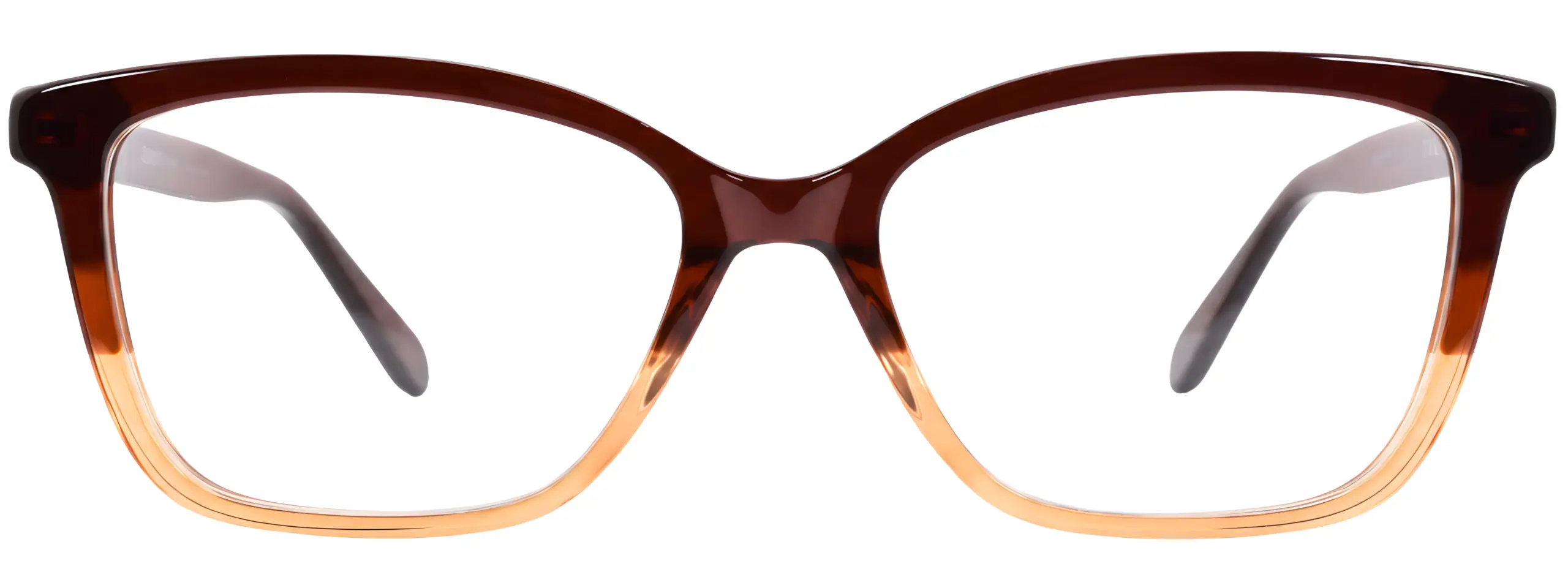
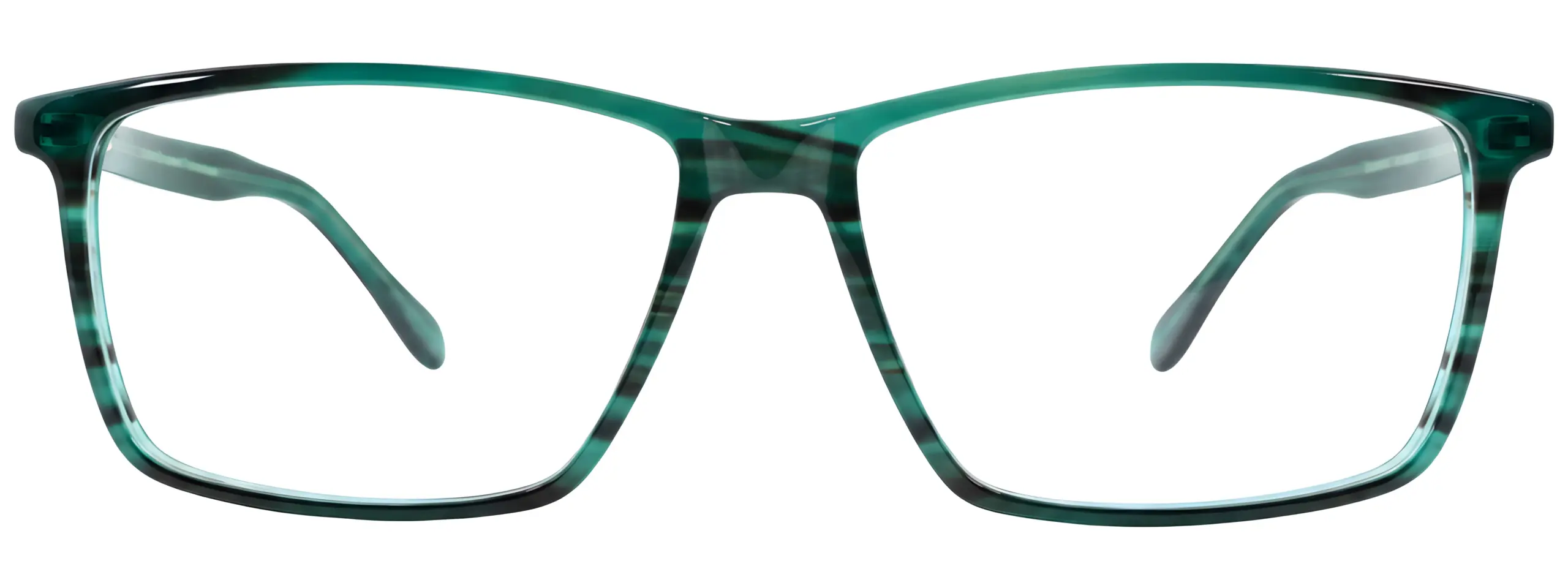
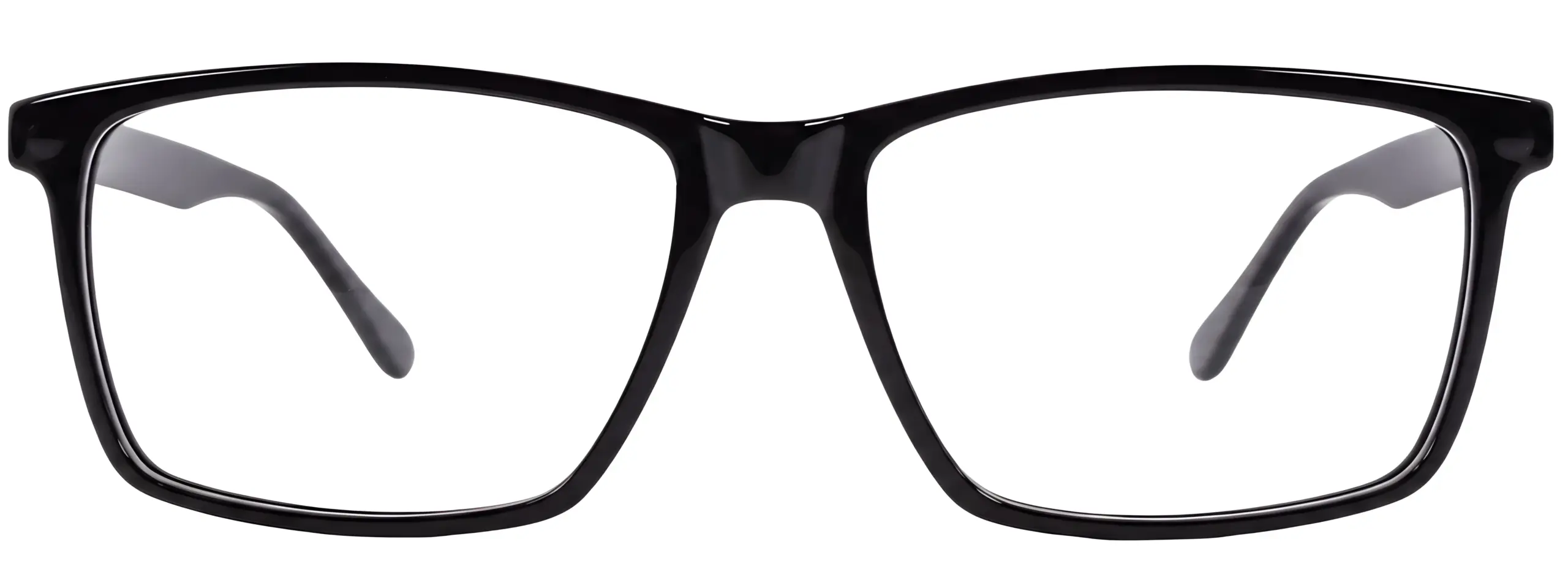
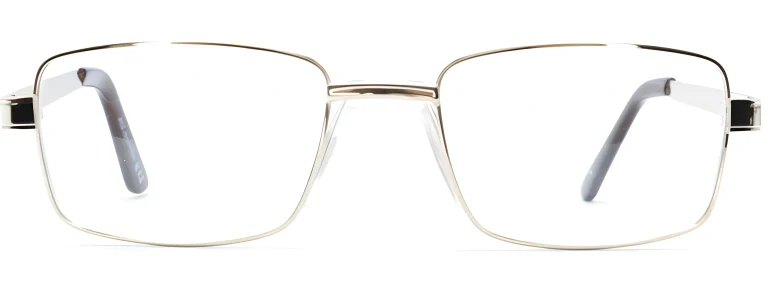
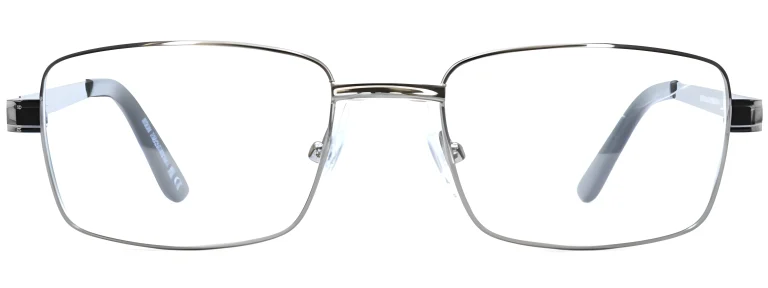
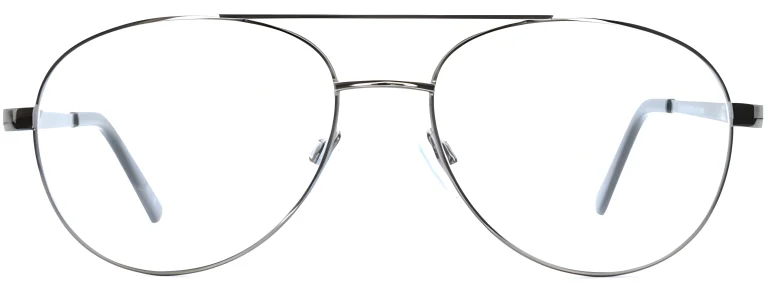
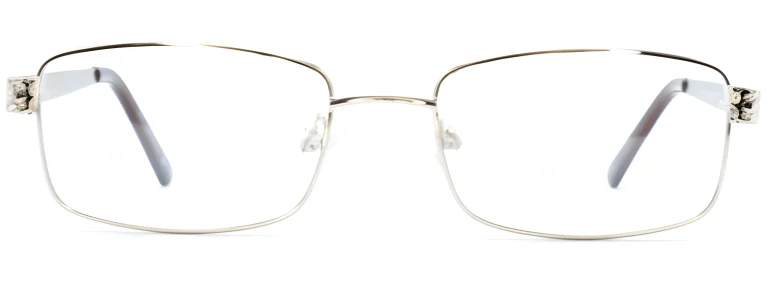
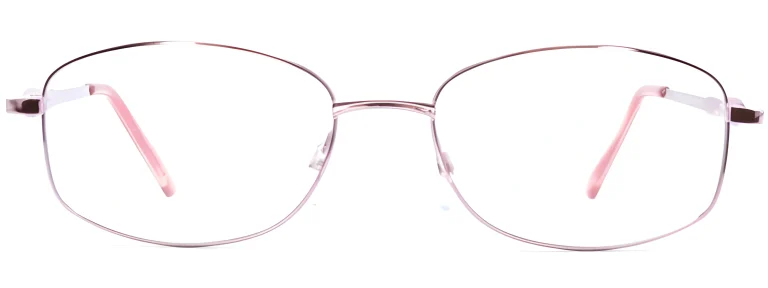
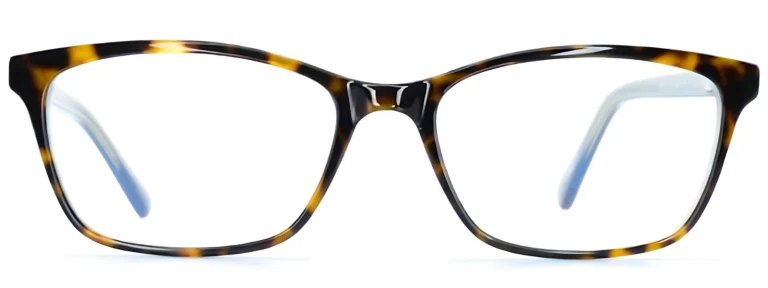
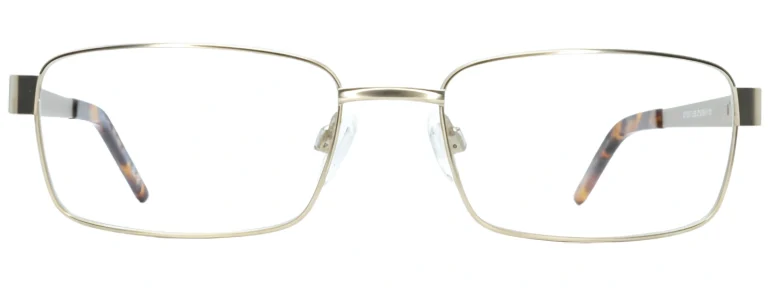
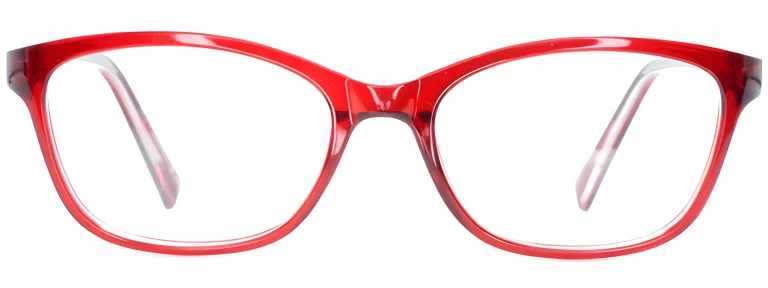
Frames come in two main materials. Acetate frames are a lightweight plastic available in a huge range of colours and finishes, and they conceal lens edges well. Metal frames are slim, understated and durable, giving a classic, refined look. The best choice depends on your style, your prescription strength, and how the frame feels on your face.
How to Choose the Right Glasses for Your Needs
With so many options, the right pair comes down to a few questions:
- Your prescription. Do you need single vision, bifocal or varifocal lenses, and how strong is your prescription?
- Your lifestyle. Will you wear them mainly for reading, driving, screen work or all-day use?
- Frame comfort and fit. Consider the frame size, material, nose bridge and overall weight.
- Coatings and add-ons. Think about anti-reflective, UV protection or blue light filtering for added comfort.
Frequently Asked Questions
What are the main types of glasses?
By lens, the main types are single vision (one distance), bifocal (two distances with a visible line), and varifocal (near, intermediate and distance with no line). By purpose, they include everyday, reading, driving and sunglasses.
What is the difference between bifocal and varifocal glasses?
Bifocals correct two distances with a visible dividing line, while varifocals correct near, intermediate and distance vision seamlessly, with no line. Many people prefer the natural, line-free look of varifocals.
Which lens index should I choose?
The standard 1.50 index suits most prescriptions. Higher indexes — 1.60, 1.67 and 1.74 — make stronger prescriptions thinner and lighter, so the higher your prescription, the more benefit a higher index gives.
What frame material is best?
It depends on your style and prescription. Acetate frames offer colour and conceal lens edges well, making them forgiving for stronger prescriptions. Metal frames are slim and understated. Both are durable, everyday choices.
Can one pair of glasses do everything?
Varifocals come closest, covering near, intermediate and distance vision in one pair. Some people prefer dedicated pairs for specific tasks, such as reading or screen work, alongside an everyday pair.
Find the Right Glasses at Glasses Store
Whether you need single vision, varifocal or blue light glasses, the right pair comes down to your prescription, your lifestyle and your style. You can shop glasses online from £10, use the virtual try-on tool to find the best fit, and add your prescription, lenses and coatings at checkout — with expert help on hand if you are unsure about your options.