Dry eye occurs when the eyes do not make enough tears, or when tears evaporate too quickly, leaving the surface of the eye inadequately lubricated. The result is a range of uncomfortable symptoms — from a persistent gritty feeling to blurred vision — that can affect everyday activities including reading, screen use, and driving.
For most people, dry eye is a manageable condition rather than a serious one. Understanding what is causing it is the most important step towards finding relief. This guide covers the main causes, how to recognise the symptoms, what treatments are available, and how your choice of glasses and lens options can play a part.
What Is Dry Eye?
The surface of your eye is coated at all times by a thin tear film. According to Guy’s and St Thomas’ NHS Foundation Trust, this film has three distinct layers, each with a specific role:
The Three Layers of the Tear Film
Dry eye occurs when this tear film is insufficient or unstable — either because there is not enough of the watery component (keratoconjunctivitis sicca, or KCS), or because the oily layer is inadequate and the tears evaporate too quickly.
Symptoms of Dry Eyes
The NHS lists the common symptoms of dry eye as:
- A gritty or sandy sensation in the eye, as though something is caught under the eyelid
- Soreness or a burning feeling in the eyes
- Redness of the white of the eye
- Blurred vision that temporarily improves after blinking
- Sensitivity to light
- Eyes that feel tired, especially later in the day
Watery eyes can be a sign of dry eye. According to Worcestershire Acute Hospitals NHS Trust, when the eyes are irritated by dryness, they can produce a flood of reflex tears in response. These overflow onto the cheek without solving the underlying problem — meaning that watery eyes can actually be a symptom of dry eye syndrome rather than a contradiction of it.
If these symptoms are affecting your day-to-day comfort, it is worth mentioning them at your next eye test. Dry eye is diagnosed using a slit lamp — a specialised microscope that allows an optometrist or ophthalmologist to examine the tear film and the surface of the eye in detail.
What Causes Dry Eyes?
Dry eye has many potential causes, and in most cases it results from a combination of factors rather than a single trigger.
Meibomian Gland Dysfunction
NHS guidance from Worcestershire Acute Hospitals identifies MGD as the most common cause of dry eye. The meibomian glands become blocked or produce oil of poor quality, causing the tear film to evaporate too quickly.
Reduced Blinking
Research confirms blink rate falls significantly during screen use and reading. In one study of 104 office workers, blink rate dropped from 22 per minute at rest to approximately 7 per minute during computer use.
Age
Tear production naturally declines with age. NHS guidance notes that dry eye is more common in older adults and can become a persistent feature of daily life from middle age onwards.
Medications
Antihistamines, certain antidepressants, diuretics, beta-blockers, and some hormone therapies all list dry eyes as a recognised side effect. Do not stop prescribed medication without speaking to your GP first.
Medical Conditions
Sjögren’s syndrome, rheumatoid arthritis, lupus (SLE), and neurological conditions including stroke and Bell’s palsy are all associated with impaired tear production or spreading.
Hormonal Changes
NHS guidance highlights that dry eye is more common in women, particularly around menopause, and can be exacerbated by the use of oral contraceptives or hormone replacement therapy.
Environment
Air conditioning, central heating, and aeroplane cabins all reduce humidity and accelerate tear evaporation. Wind and smoky environments worsen symptoms for many people.
Previous Eye Surgery
As noted by Guy’s and St Thomas’ NHS Foundation Trust, LASIK laser eye surgery can reduce corneal nerve sensitivity, affecting the reflex that stimulates tear production. In most cases this improves over time.
Treatments for Dry Eyes
For most people, dry eye symptoms can be significantly improved. NHS guidance and clinical resources from Moorfields Eye Hospital outline a range of evidence-based options.
Artificial Tears (Eye Drops)
The primary treatment for mild to moderate dry eye. Available over the counter from any pharmacy without a prescription. They do not treat the underlying cause but relieve symptoms and help prevent surface damage. Moorfields Eye Hospital advises that if you need drops more than six times a day, or wear contact lenses, use preservative-free formulations.
Warm Compresses and Lid Hygiene
The NHS recommends this routine for dry eye caused by MGD: soak a clean flannel in warm (not hot) water and hold it gently over closed eyes; then gently massage the eyelids; then clean the eyelid margins with cotton wool or a specialist lid scrub. Done consistently, this often makes a noticeable difference.
Environmental Adjustments
Guy’s and St Thomas’ NHS guidance recommends avoiding or reducing air conditioning, slightly lowering room temperature, using a humidifier, avoiding smoke, and taking regular breaks from screen and reading tasks.
Omega-3 Supplements
Guy’s and St Thomas’ NHS Foundation Trust notes that flaxseed oil and omega-3 supplements may reduce dry eye symptoms by improving meibomian gland function. Any benefit typically develops over several months.
Punctal Plugs
For more severe dry eye, small silicone or collagen plugs can be inserted into the tear drainage channels to reduce how quickly tears drain away. This is a quick, painless outpatient procedure. Temporary collagen plugs dissolve in a few weeks; permanent silicone options are also available.
Important: Artificial tears manage symptoms — they do not cure dry eye. NHS trusts note that in many cases treatment may need to continue long term. There is no cure for dry eye, but symptoms can be well controlled with consistent treatment.
How Glasses Can Help People with Dry Eyes
For glasses wearers, a few thoughtful choices can make a meaningful difference to dry eye symptoms.
Anti-Reflective Coatings
Screen glare reduces blinking, which worsens dry eye. Fitting your prescription lenses with an anti-reflective coating reduces the visual effort required under artificial lighting — meaning your eyes blink more naturally and the tear film stays more stable.
Keeping Your Prescription Current
Wearing an outdated prescription causes your eyes to compensate for imprecise correction, which increases fatigue and reduces the natural blink rate that protects the eye surface. If you are unsure whether your prescription is still valid, read our guide on how long a glasses prescription lasts in the UK and book a check if it has expired.
Frame Fit and Wind Protection
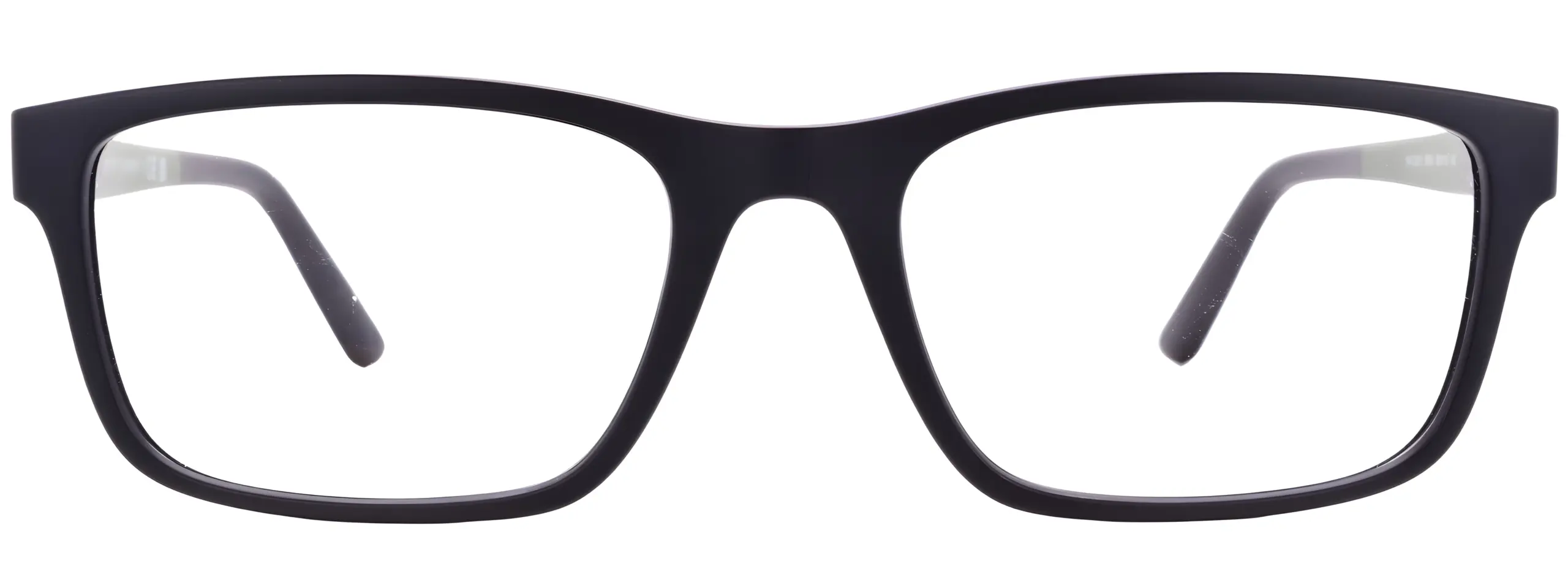
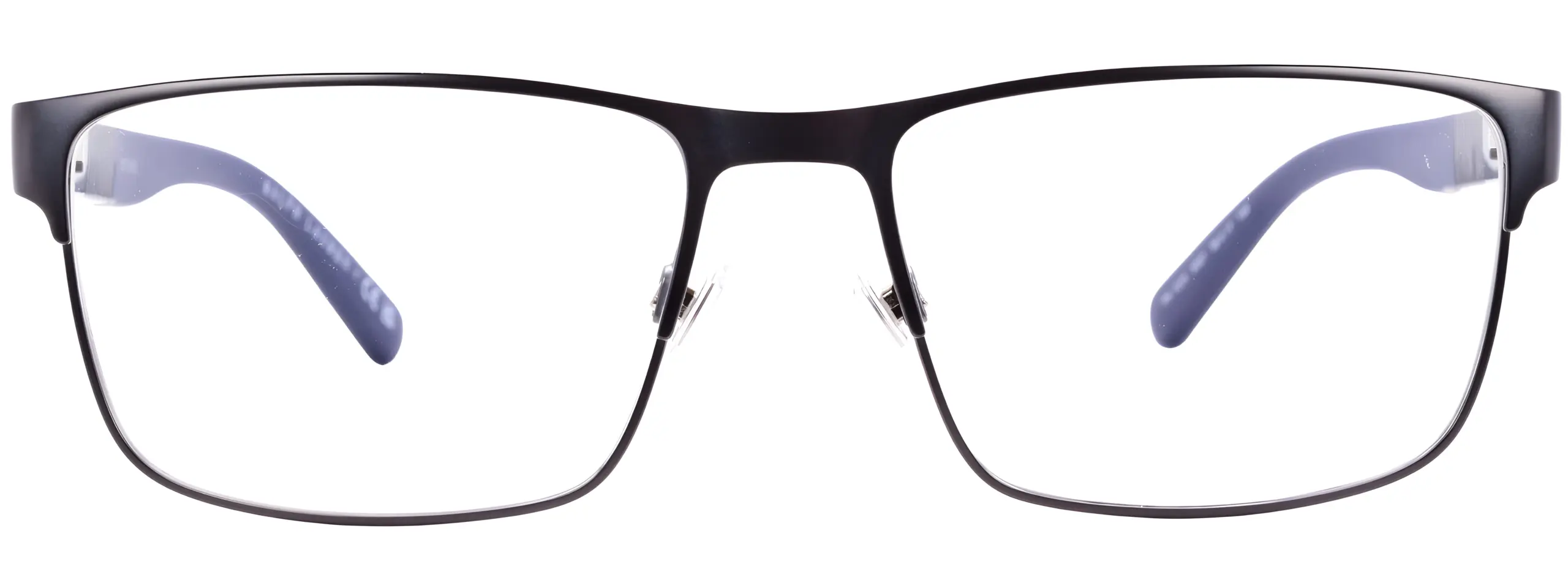
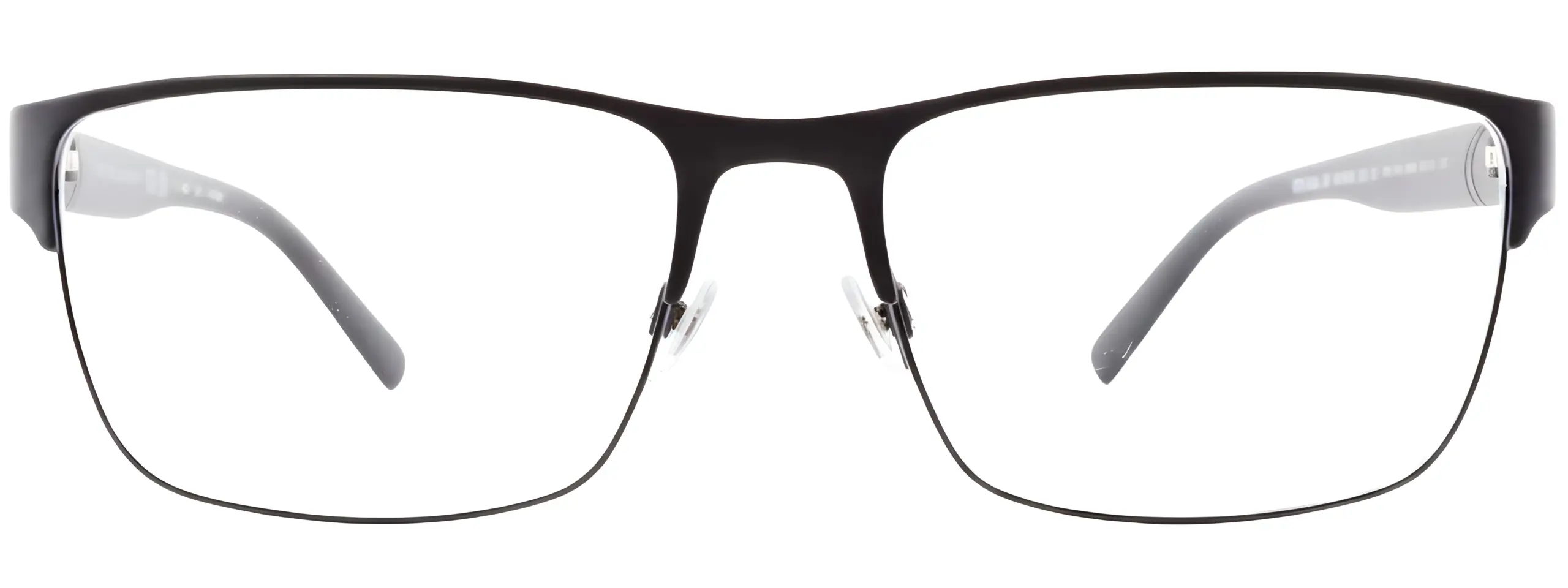
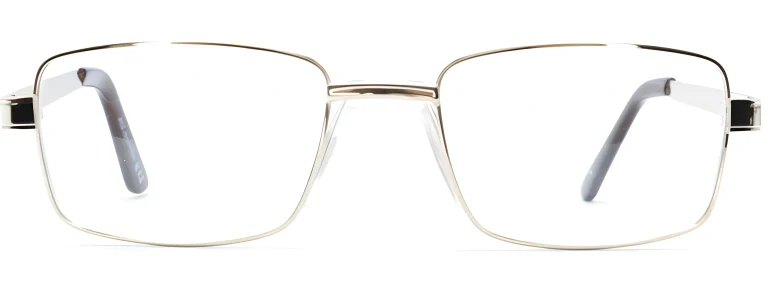
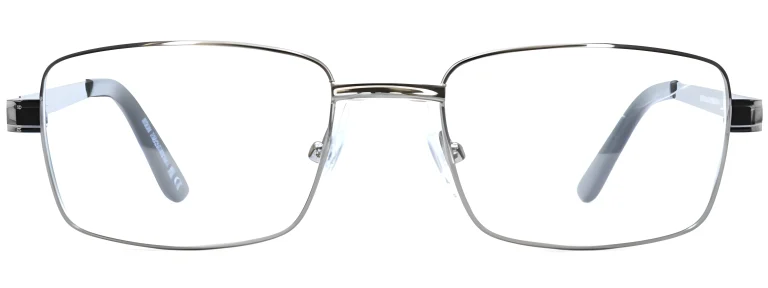
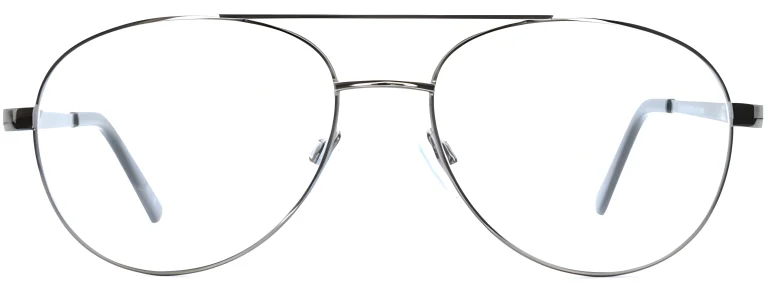
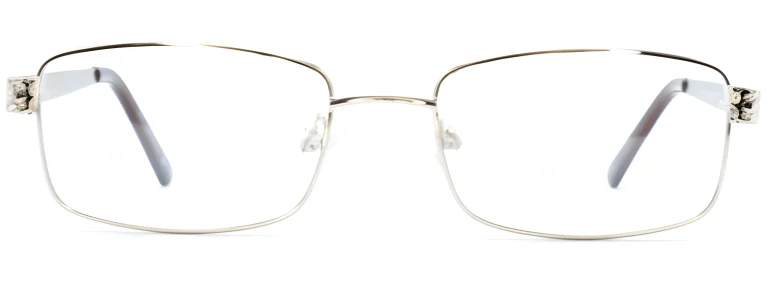
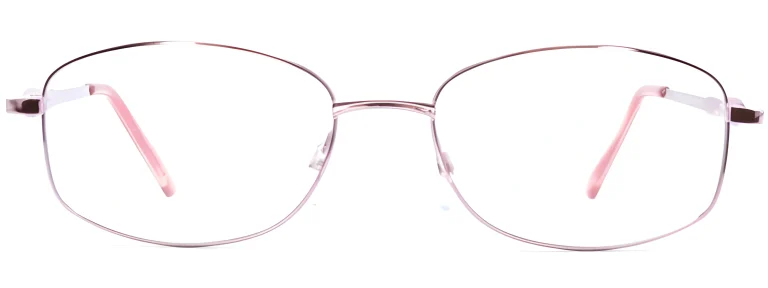
For people whose dry eye is worse outdoors — particularly in windy conditions — a well-fitting frame that sits closer to the face reduces the direct exposure of the eye surface to the elements. Browse our range of men’s glasses and women’s glasses to find frames that suit your face and lifestyle.
When to See an Optician or GP
NHS guidance advises seeing an optician or GP if:
- → You are using over-the-counter drops regularly without adequate relief
- → Your symptoms are severe or significantly affecting your daily life
- → You are unsure of the cause of your symptoms
- → You notice changes in vision alongside dry eye symptoms
- → One eye is significantly more affected than the other
If an optician cannot identify the cause, they may refer you to an ophthalmologist for further assessment. In the UK, you can also call NHS 111 if you are unsure whether your symptoms require urgent attention.
Summary
Dry eye is very common and, for most people, very manageable. Identifying whether yours is caused by MGD, reduced blinking, environment, medication, age, or an underlying condition is the key to choosing the most appropriate treatment. For most people this involves artificial tears used consistently, a lid hygiene routine, and sensible adjustments to their environment and screen habits.
If you wear glasses, keeping your prescription current and adding an anti-reflective coating are simple steps that can reduce the visual fatigue that makes dry eye symptoms worse. At Glasses Store, we offer a wide range of prescription glasses and lens options tailored to your vision needs and daily lifestyle.