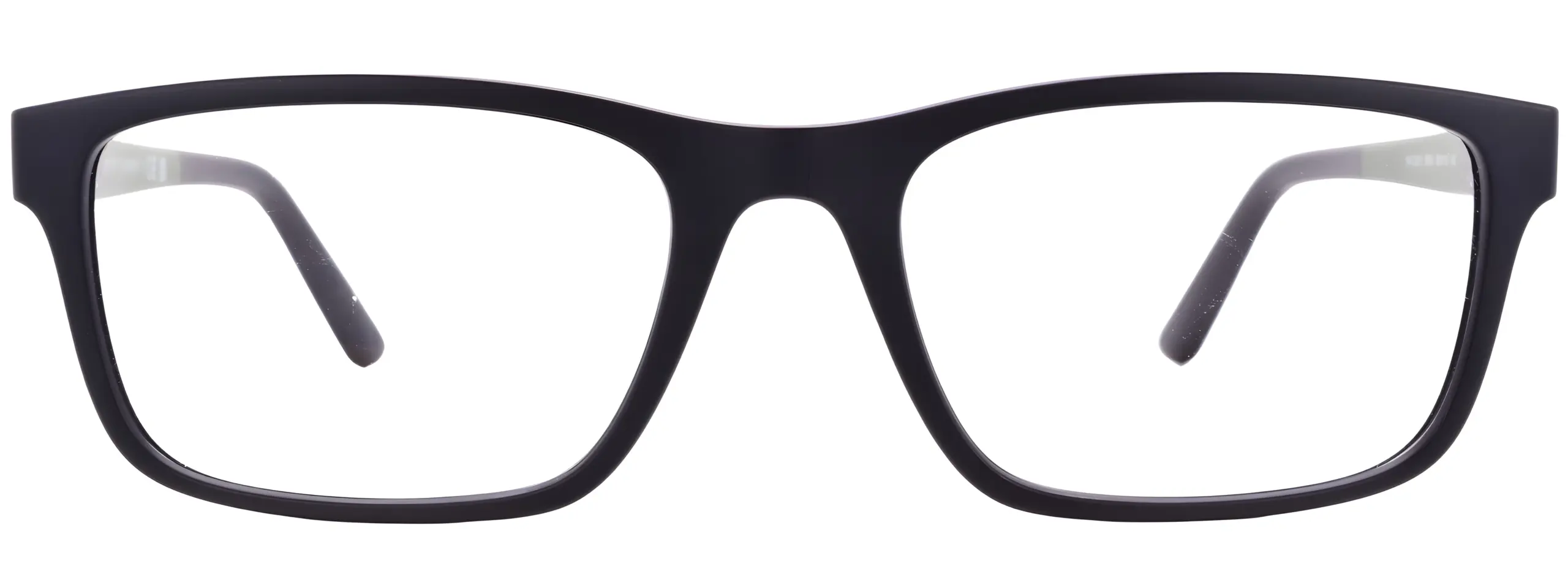
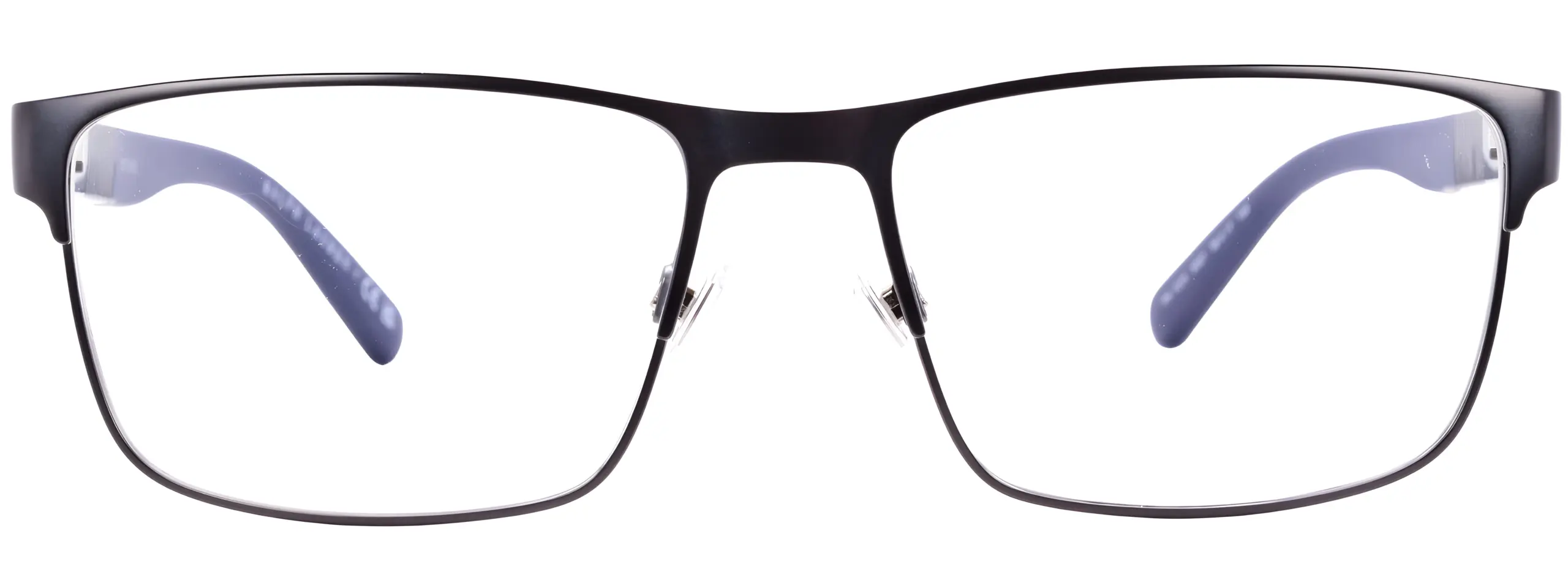
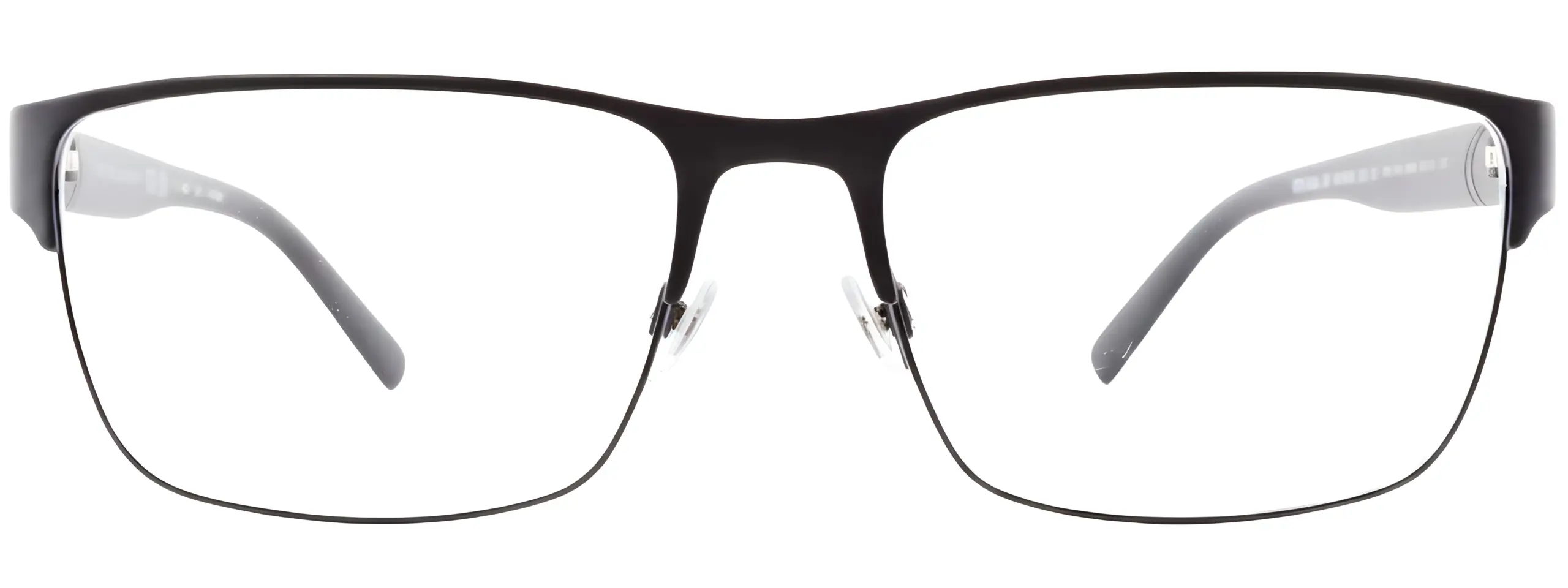
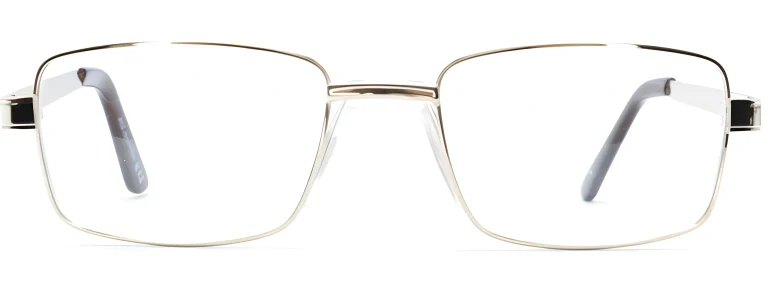
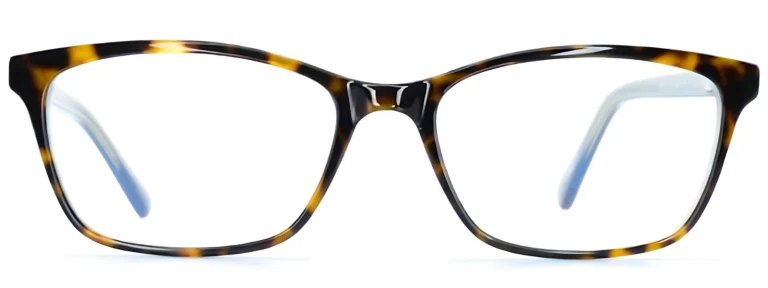
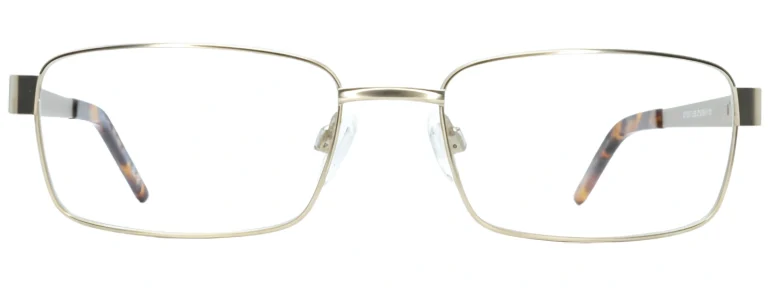
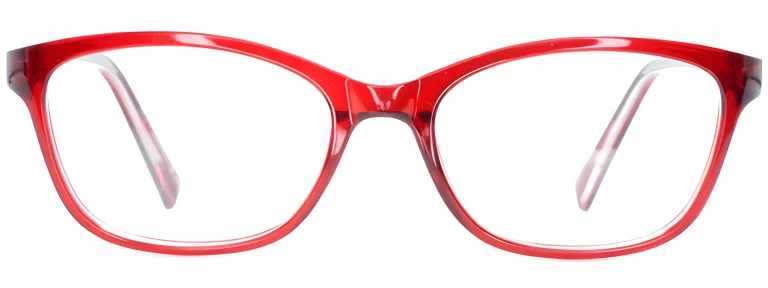



Choosing glasses is not only about the frame. The lens type matters just as much, because it determines what your glasses actually help you see — whether that is reading a book, working at a screen, driving, or all three at once. If the choice between single vision, bifocal, varifocal and occupational lenses has ever left you unsure, this guide explains what each one does and who it suits.
In short: single vision lenses correct one distance, bifocals and varifocals correct more than one, and occupational lenses are designed for close and intermediate work. The right choice depends on your prescription and how you spend your day.
Single Vision Lenses
Single vision lenses are the most common type, and the most straightforward. They carry one prescription strength across the whole lens to correct a single distance. That might be distance vision for driving or watching television, near vision for reading, or intermediate vision for screen work.
Most people who wear glasses for one specific task have single vision lenses. They suit the majority of prescriptions and are the simplest, most affordable option. You can choose single vision lenses in a range of indexes, from the standard 1.50 up to thinner 1.74 lenses for stronger prescriptions.
Bifocal Lenses
Bifocal lenses combine two prescriptions in one lens, separated by a visible line. The larger upper portion is set for distance vision, while a smaller segment in the lower part of the lens is set for reading. By looking up or down, you switch between the two.
Bifocals suit people who need both distance and near correction but prefer a clearly defined reading area rather than a graduated transition. They are available up to 1.67 index. One thing to be aware of is the visible line and the sudden jump in focus between the two zones, which some wearers find takes adjustment.
Varifocal Lenses
Varifocal lenses — also called progressive lenses — correct near, intermediate and distance vision in a single lens, with no visible line. The prescription changes gradually from top to bottom: distance at the top, intermediate in the middle, and reading at the bottom. This gives seamless vision at every distance through one pair of glasses.
Varifocals are ideal if you need correction at multiple distances and want the convenience of a single pair. Because the transition is gradual, there is a short adjustment period as your eyes learn where to look. Glasses Store offers varifocal lenses in a tiered package system — Advanced, Premium, Elite and Occupational Office — where higher tiers provide a wider field of clear vision at each distance.
Occupational Lenses
Occupational lenses are a specialist type designed for close and intermediate distances rather than far vision. They are optimised for tasks such as working at a computer, reading, and other detailed work at arm’s length, giving a wider, more comfortable field of view for those distances than a standard reading lens.
They are particularly useful for anyone who spends long hours at a desk or screen and finds that standard varifocals do not give enough width in the intermediate zone. The right occupational lens is determined by your prescription rather than chosen at checkout, so if you think they might suit you, our team can help. You can read more about occupational lenses and how they compare to other options.
How Do the Lens Types Compare?
Here is a simple summary to help you see which lens type fits which need:
| Lens type | Corrects | Best for |
| Single vision | One distance (near, intermediate or distance) | Most prescriptions — reading, driving or everyday distance vision |
| Bifocal | Two distances in one lens, with a visible line | Near and distance vision for those who prefer a defined reading segment |
| Varifocal | Near, intermediate and distance, with no visible line | Seamless vision at all distances in a single lens |
| Occupational | Intermediate and near, tuned for close work | Screen work, desk-based tasks and hobbies at arm’s length |
Which Lens Type Is Right for Me?
The starting point is always your prescription. If you only need correction for one distance, single vision lenses are usually the answer. If you need both reading and distance vision, the choice is between bifocals and varifocals — bifocals if you prefer a defined reading segment, varifocals if you want a seamless transition with no visible line. And if most of your day is spent at a screen or doing close work, occupational lenses may be the most comfortable option.
Your optometrist’s prescription will guide the decision, and the values on it — including your reading addition, if you have one — determine which lens types are suitable. If you are unsure, it is always worth asking before you order.
Frequently Asked Questions
What is the difference between single vision and varifocal lenses?
Single vision lenses correct one distance across the whole lens. Varifocal lenses correct near, intermediate and distance vision in a single lens, with the prescription changing gradually from top to bottom and no visible line.
Are bifocals or varifocals better?
Neither is better outright — it depends on preference. Bifocals give two defined zones separated by a visible line, while varifocals provide a seamless transition across all distances. Many people prefer the line-free look of varifocals, but some find the distinct zones of bifocals easier to adjust to.
What index should I choose for my lenses?
Lens index describes how thin the lens is. The standard 1.50 index suits most prescriptions, while higher indexes — 1.60, 1.67 and 1.74 — make stronger prescriptions thinner and lighter. The higher your prescription, the more benefit a higher index gives.
Can I get bifocals in the thinnest lens index?
Bifocal lenses are available up to 1.67 index, not 1.74. If you need the thinnest possible lens for a strong prescription, varifocals or single vision lenses offer the wider range.
Do I choose my lens type at checkout?
For most lens types, yes — you select single vision, bifocal or varifocal when ordering. Occupational lenses are determined by your prescription rather than simply chosen, so if you think they suit your needs, it is best to check first.
Choosing Your Lenses
The lens type you choose shapes how well your glasses work for your daily life, so it is worth getting right. Once you know which type suits you, you can select your lens index, add any coatings, and enter your prescription at checkout. If you would like to compare the full range first, you can shop glasses online and choose your lenses as part of the order.