


A high prescription does not mean you are limited to thick, heavy glasses or a narrow choice of frames. With the right lens index and a few sensible choices, strong prescriptions can be made thinner, lighter and far more comfortable than many people expect. This guide explains what counts as a high prescription, how to get the best lenses for one, and what to bear in mind when ordering online.
In short: a high prescription is generally one with a sphere (SPH) above plus or minus 4.00, or a cylinder (CYL) above plus or minus 2.50. The key to comfortable glasses is choosing a higher-index lens, which makes a strong prescription thinner and lighter without changing the correction.
What Counts as a High Prescription?
Your prescription is measured in dioptres, shown as the SPH (sphere) and CYL (cylinder) figures. As a general guide, a prescription is considered high when the sphere is stronger than plus or minus 4.00, or the cylinder is stronger than plus or minus 2.50. The further from zero these numbers are, the stronger the correction — and, with a standard lens, the thicker the lens would be.
This applies whether you are short-sighted (myopia), where the numbers carry a minus sign, or long-sighted (hyperopia), where they carry a plus sign. Strong short-sighted prescriptions tend to produce lenses that are thicker at the edge, while strong long-sighted prescriptions are thicker in the centre. In both cases, the right lens choice makes a visible difference.
Why Lens Index Matters for High Prescriptions
Lens index describes how efficiently a lens material bends light. A higher-index material bends light more, so less material is needed to achieve the same correction — which means a thinner, lighter lens. For a high prescription, this is the single most important choice you make.
A strong prescription in a standard 1.50 lens can be thick and heavy, whereas the same prescription in a 1.67 or 1.74 lens is considerably thinner and more comfortable to wear all day. Here is how the options compare:
| Lens index | Roughly suits | Relative thickness |
| 1.50 (standard) | Low prescriptions | Thickest |
| 1.60 | Moderate prescriptions | Noticeably thinner |
| 1.67 | Strong prescriptions | Thin |
| 1.74 (thinnest) | Very strong prescriptions | Thinnest available |
For most high prescriptions, a 1.67 or 1.74 index gives the best balance of thinness and comfort. You can choose your index when selecting your high prescription lenses at checkout, and our team can advise if you are unsure which suits your prescription best.
Choosing Frames for a High Prescription
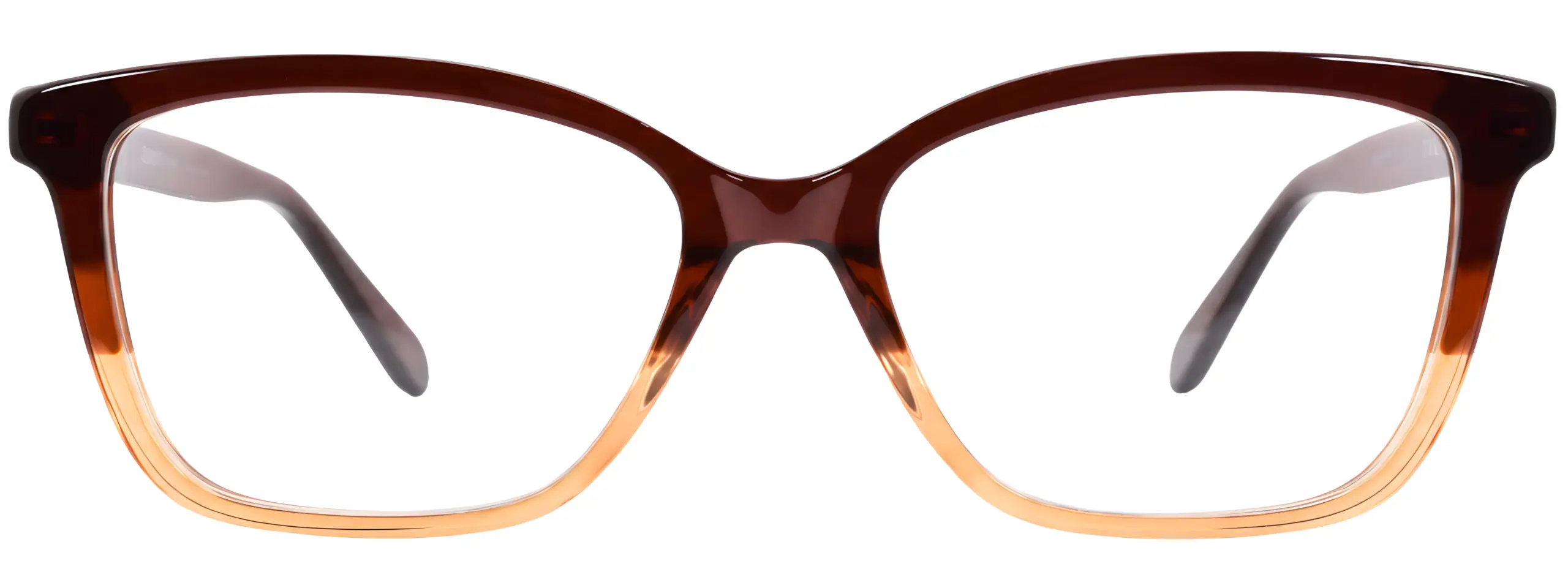
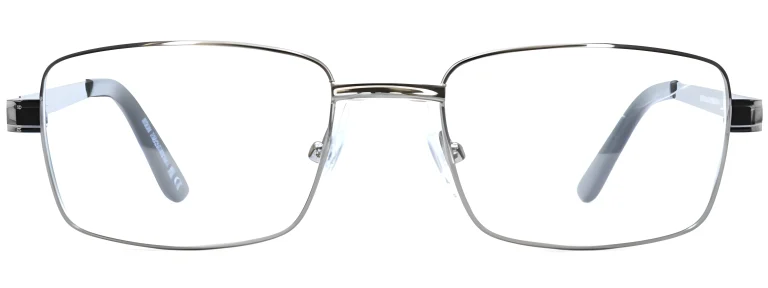
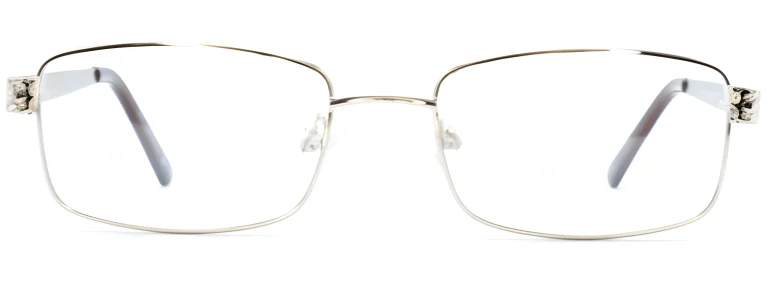
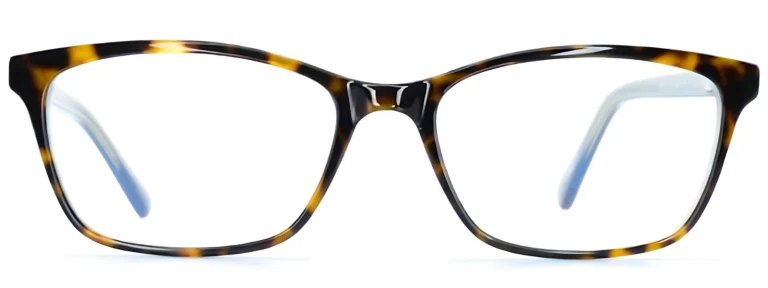
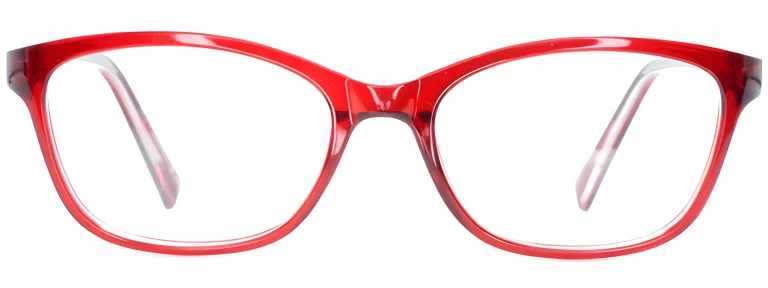
Frame choice makes a real difference with a strong prescription. Smaller frames generally work best, because a smaller lens leaves less room for thickness to build up at the edges or centre. Fully rimmed frames are also a sensible choice, as the rim helps conceal the lens edge.
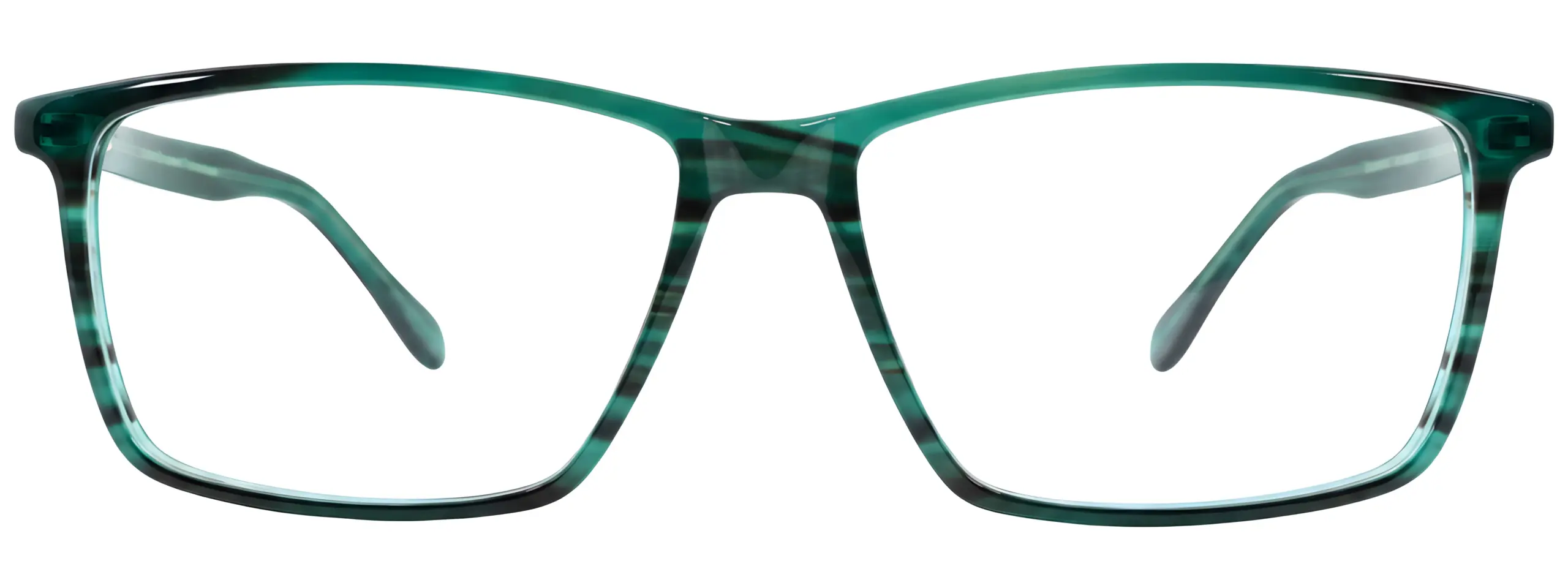
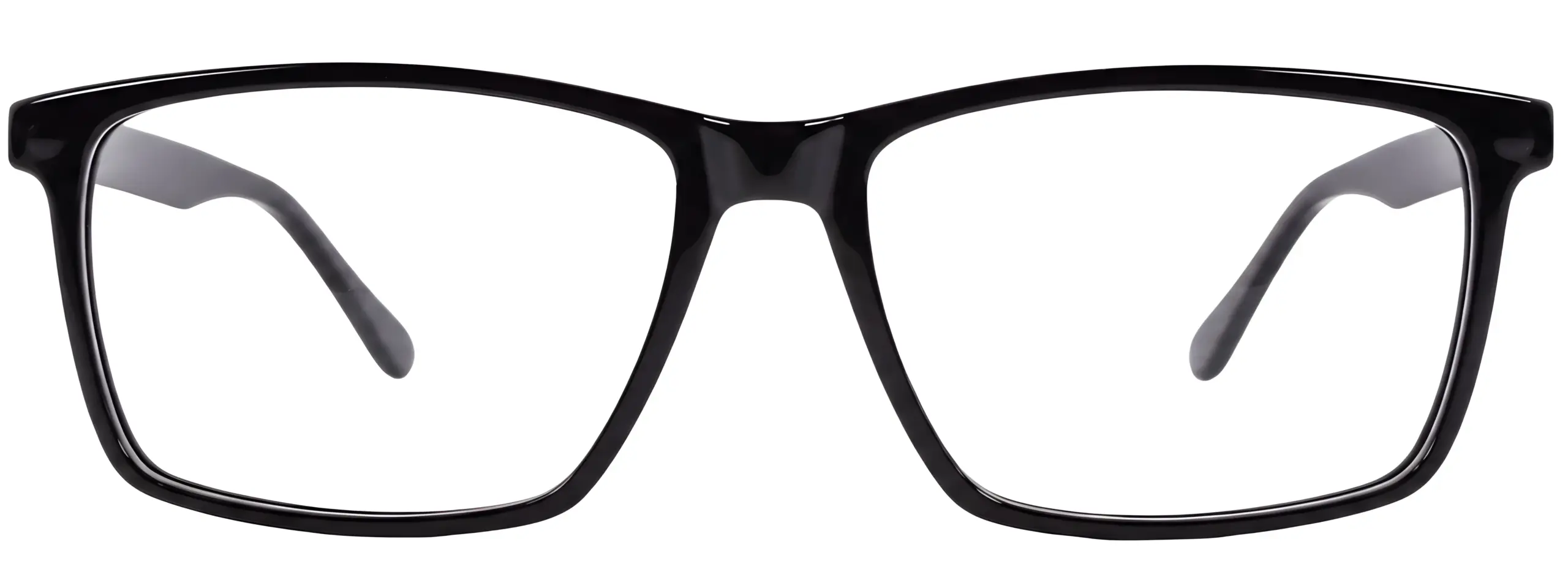
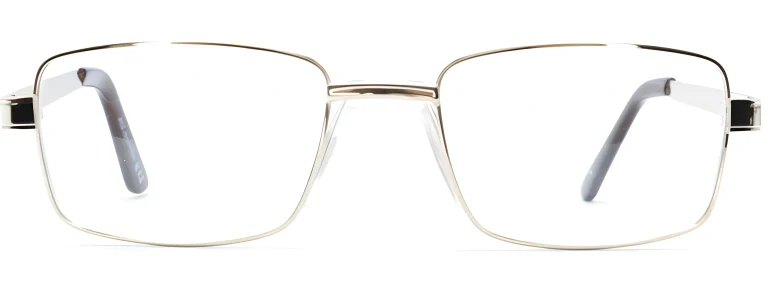
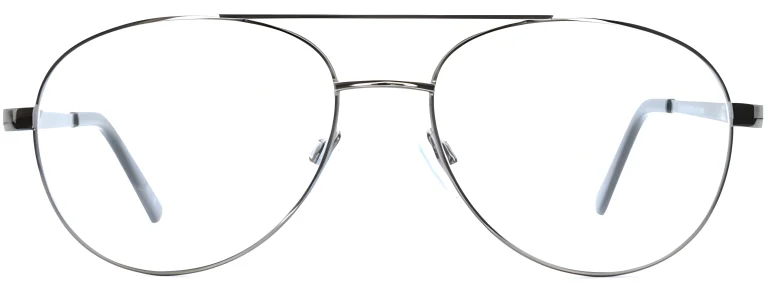
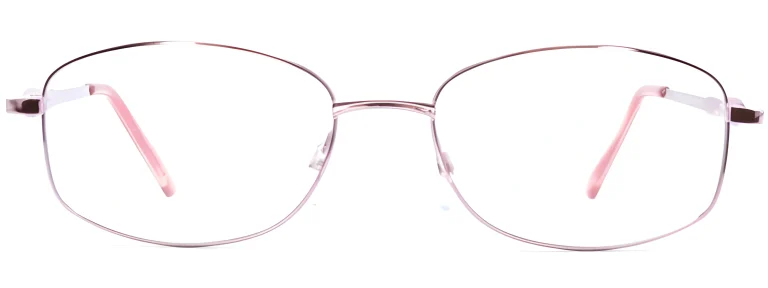
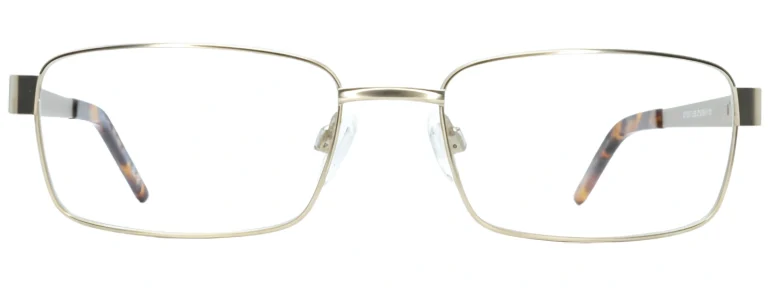
Very large frames, rimless styles and thin metal frames are less forgiving with strong prescriptions, as they expose more of the lens edge. None of these are off-limits, but if keeping your glasses as slim and light as possible is a priority, a smaller, fully rimmed frame paired with a high-index lens is the most effective combination.
Ordering High Prescription Glasses Online
Ordering glasses for a high prescription online is straightforward, with one practical point worth knowing. Standard, lower prescriptions are often kept in stock and can be dispatched quickly. Stronger prescriptions, however, are made to order — for single vision lenses, a high prescription usually requires external surfacing, which adds around five to seven working days to production. Bifocal and varifocal lenses are not affected in the same way, as they are made to order regardless.
This is normal and applies across the industry: a strong, made-to-order lens simply takes a little longer to produce than a stock lens. It is worth allowing for that timing if you need your glasses by a particular date. Beyond the lead time, the process is the same as any other order — choose your frame, select your high-index lens, enter your prescription and PD, and check out.
Getting the Most Comfortable Result
A few additions are worth considering for a high prescription. An anti-reflective coating reduces the reflections that thicker lenses can produce, improving both clarity and appearance. Aspheric lens designs, available in higher indexes, have a flatter profile that reduces the magnified or minified look that strong prescriptions can give. Together with a well-chosen frame, these make a strong prescription look and feel far more natural.
Frequently Asked Questions
What is considered a high prescription for glasses?
As a general guide, a prescription is high when the sphere (SPH) is stronger than plus or minus 4.00, or the cylinder (CYL) is stronger than plus or minus 2.50. The further the numbers are from zero, the stronger the prescription.
Which lens index is best for a high prescription?
A 1.67 or 1.74 index is usually best for a high prescription, as these thinner materials keep a strong lens light and comfortable. The higher the prescription, the more benefit a higher index gives.
Can I get thin lenses for a strong prescription?
Yes. High-index lenses, particularly 1.67 and 1.74, are designed specifically to make strong prescriptions thinner and lighter. Pairing them with a smaller, fully rimmed frame gives the slimmest result.
Does a high prescription take longer to make?
For single vision lenses, a high prescription usually requires external surfacing, which adds around five to seven working days. Bifocal and varifocal lenses are made to order regardless, so they are not affected in the same way.
What frames suit a high prescription?
Smaller, fully rimmed frames work best, as they limit how much lens thickness is visible. Larger, rimless and thin metal frames expose more of the lens edge, so they are less forgiving with strong prescriptions.
Ordering With Confidence
A high prescription is no barrier to comfortable, good-looking glasses — the right lens index and frame make all the difference. When you are ready, you can choose your high prescription lenses and frame, enter your prescription, and our team will be on hand if you need guidance along the way.