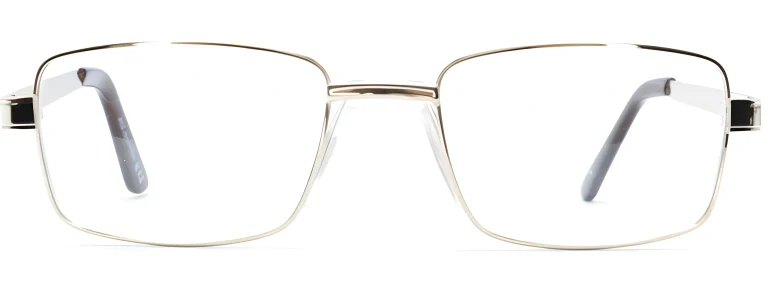
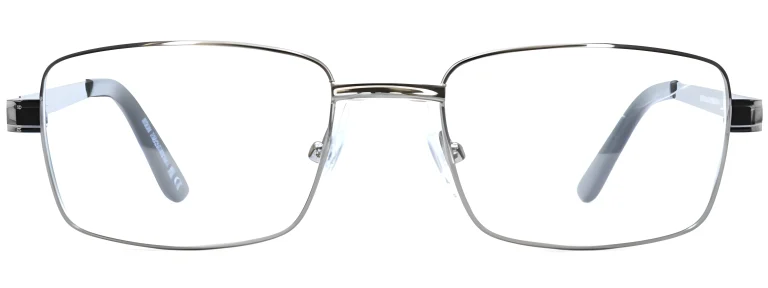
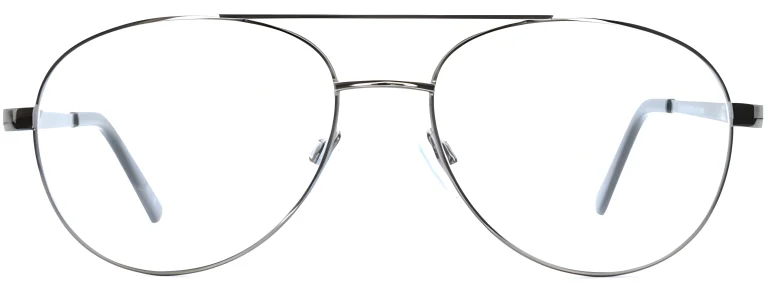
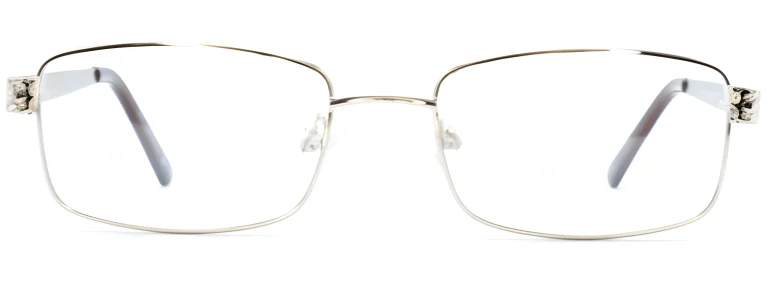







You have probably noticed it on a video call — someone wearing glasses, and instead of seeing their eyes, you see two small reflections of the screen staring back at you. That is what a lens looks like without an anti-reflective coating. It is not just a cosmetic issue. Those reflections are light that never reached the wearer’s eye, and over the course of a long day, that lost light adds up to real visual fatigue.
Anti-reflective (AR) coating is one of the most practical upgrades you can add to any pair of glasses, and one of the most overlooked. This guide explains exactly what it does, how it works, and why it is worth considering whether you are ordering your first pair or replacing an existing one.
What Is Anti-Reflective Coating?
Anti-reflective coating is a microscopic layer — or series of layers — of metal oxides applied to the front and back surfaces of a lens using vacuum coating technology. Its function is to neutralise the reflections that occur when light hits the lens surface rather than passing through it.
An uncoated standard plastic lens reflects around 8% of incoming light. That means only 92% of available light actually reaches the eye. An AR-coated lens can transmit up to 99.5% of light through to the eye, resulting in significantly sharper, brighter, and more contrast-rich vision — particularly noticeable in low-light conditions such as driving at night.
The coating itself is nearly invisible to the naked eye. Depending on the formulation, you may notice a faint blue, green, or purple tint when the lens is viewed at an angle. This is a normal characteristic of the coating and does not affect how you see through the lens.
AR Coating vs MAR Coating — What Is the Difference?
Standard anti-reflective (AR) coating provides a single protective layer that reduces surface reflections and improves light transmission. It is effective for everyday use and a significant improvement over uncoated lenses.
Multi-anti-reflective (MAR) coating takes this further with multiple layers, each calibrated to address a different part of the light spectrum. The result is broader, more consistent reflection reduction across a wider range of lighting conditions. MAR coatings also tend to offer greater resistance to smudges, water, dust, and scratches, making them a more durable long-term option for daily wear.
For most people, both coatings deliver a meaningful improvement over uncoated lenses. MAR is the better choice if you spend extended time in front of screens, drive frequently in the dark, or want the lowest-maintenance lens surface possible.
The Practical Benefits
Clearer, sharper vision. More light reaching the eye means better contrast, crisper detail, and improved performance in both bright and dim conditions. This is especially noticeable when reading, working on screens, or driving at night.
Reduced glare and halo effects. Oncoming headlights, overhead lighting, and screen glare all cause reflections on uncoated lenses. AR and MAR coatings significantly reduce these effects, making night driving considerably more comfortable and screen-based work less tiring.
Less eye strain and fatigue. The effort your eyes make to compensate for glare and poor contrast is not always obvious until it is removed. People who switch to coated lenses often report noticeably reduced end-of-day eye fatigue, particularly those working at screens for several hours at a time.
A cleaner cosmetic appearance. Reflections on uncoated lenses draw attention away from your eyes and can make glasses look cheap regardless of how good the frames are. Coated lenses appear almost invisible, which is why photographers, presenters, and anyone regularly on camera tend to consider AR coating a non-negotiable rather than an optional extra.
Better durability. MAR coatings in particular create a hardened surface that resists everyday scratches, repels water and oils, and wipes clean more easily. Over the lifespan of a pair of glasses, this translates into lenses that look better for longer.
UV protection. Because the coating is applied to both surfaces of the lens, it also reduces the UV light that reflects off the rear surface of the lens back towards the eye — a less obvious but genuine protective benefit.
Who Benefits Most From Anti-Reflective Coating?
In practice, almost everyone who wears glasses daily benefits from AR or MAR coating. But it is particularly valuable for:
- Drivers, especially those who frequently drive at night or in wet conditions where headlight glare is amplified
- Screen workers spending four or more hours a day at a computer, tablet, or phone
- People who are regularly photographed or on video calls, where lens reflections are especially distracting
- High prescription wearers, as thicker, higher-index lenses reflect more light than standard lenses and benefit more from coating
If you are currently wearing men’s glasses or women’s glasses without any lens coating, adding AR or MAR coating to your next order is one of the most cost-effective ways to improve the quality of your daily vision.
Adding Coatings When You Order Online
A question we often hear is whether lens coatings ordered online are as good as those applied by a high street optician. The answer, when you order from a reputable retailer, is yes — and we covered this in more detail in our guide to whether online glasses are safe to buy.
At Glasses Store, all lenses are glazed in-house by qualified technicians. Anti-glare, anti-scratch, UV, blue light filtering, transitions, and polarised coatings can all be selected at checkout and are applied using the same professional processes used in optical laboratories. Every pair is quality-checked before dispatch.
When you order prescription glasses online from Glasses Store, lens coatings are presented clearly as part of the checkout process — there is no upselling, and every option is explained so you can make an informed choice.
Ready to Upgrade Your Lenses?
If you are choosing a new pair and want to make the most of your lenses, AR or MAR coating is one of the most practical additions you can make. Browse our full range of glasses frames and select your preferred coatings at checkout. Backed by a 12-month warranty, and covered by our 90-day returns policy.