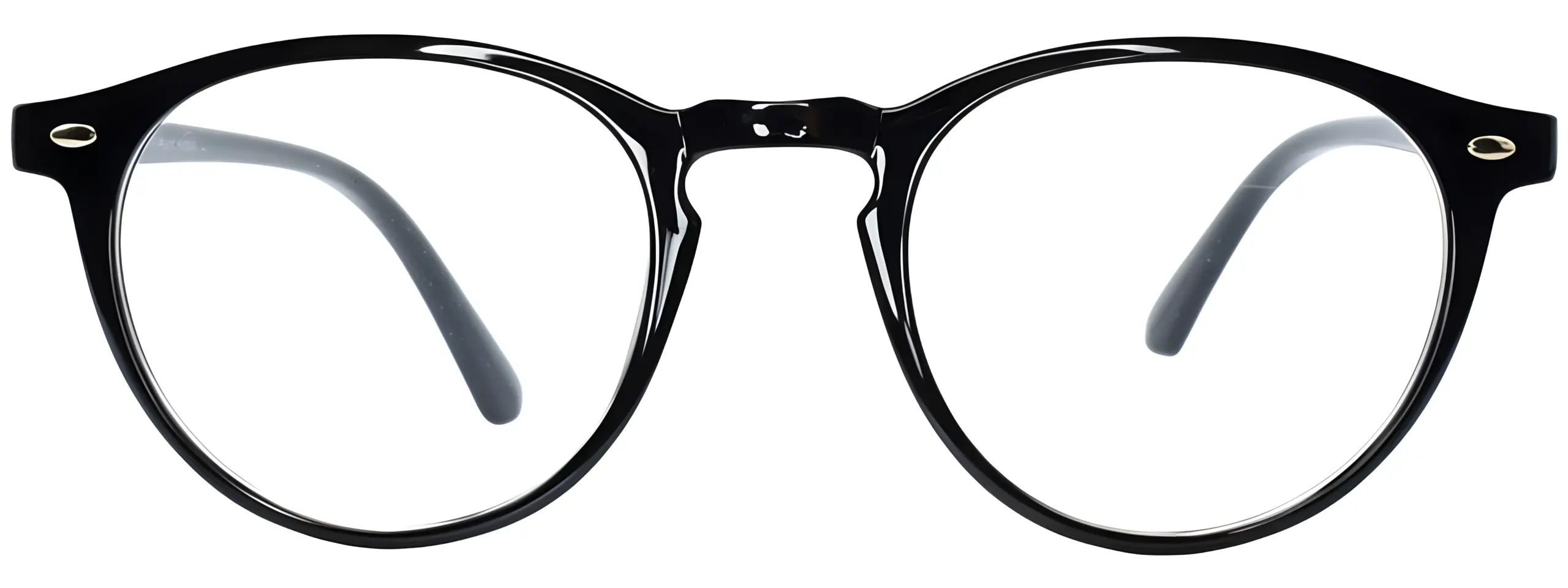
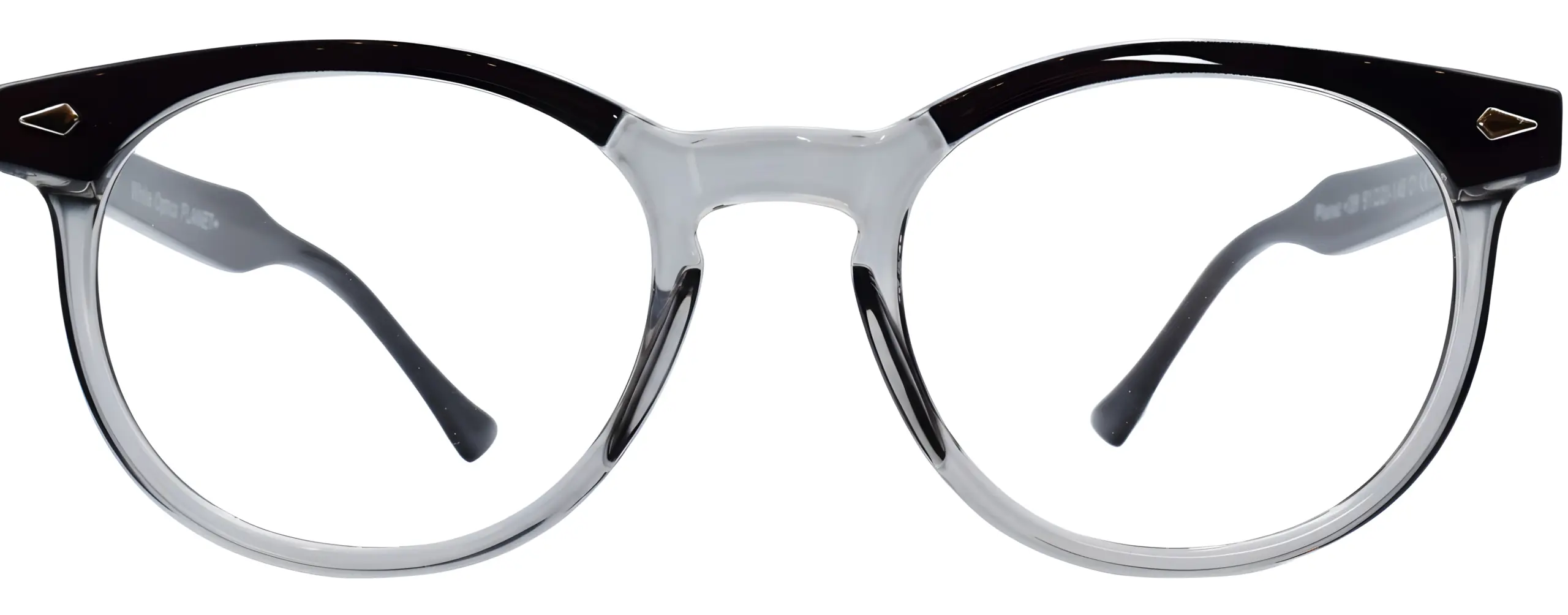
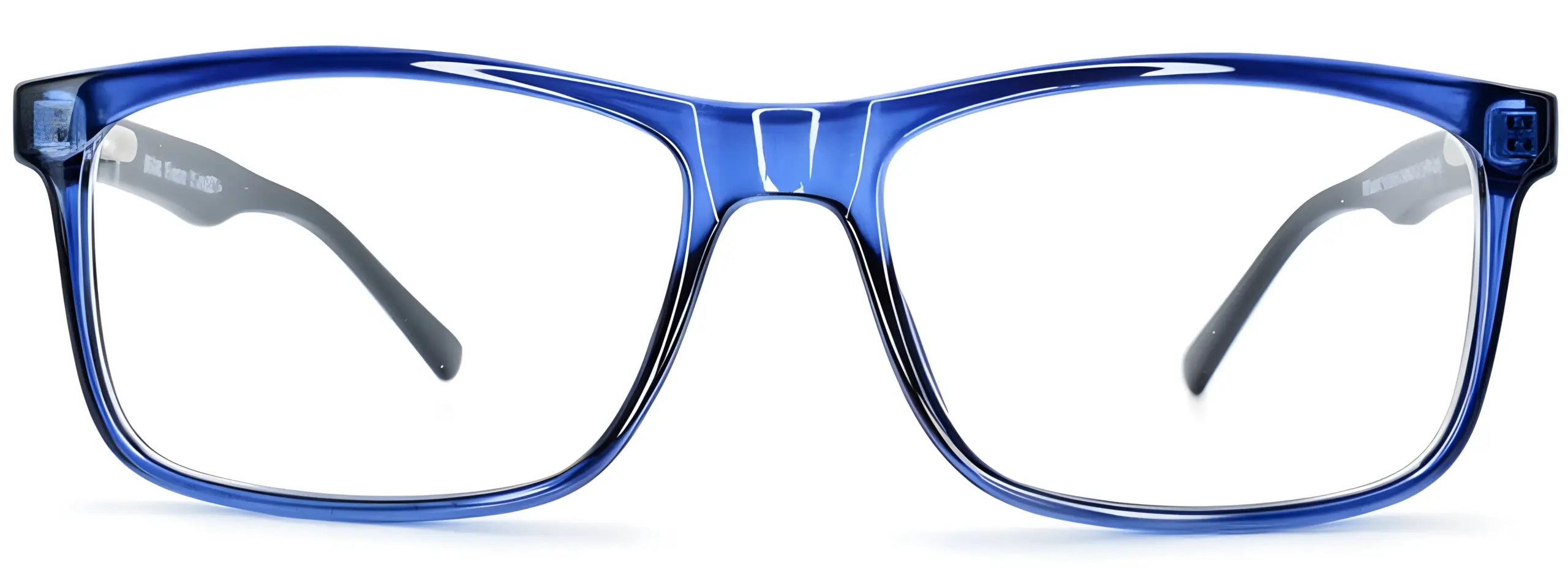
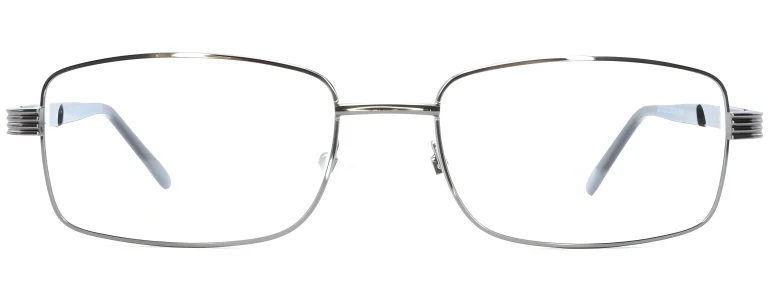
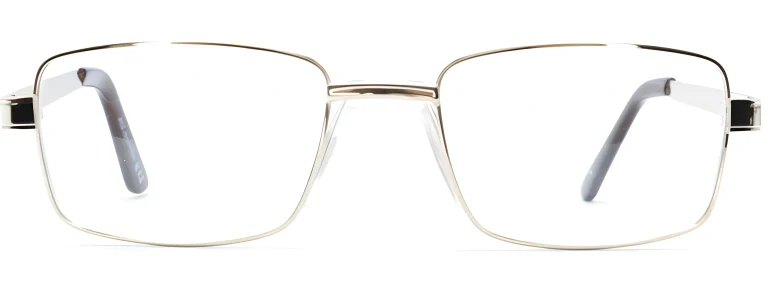
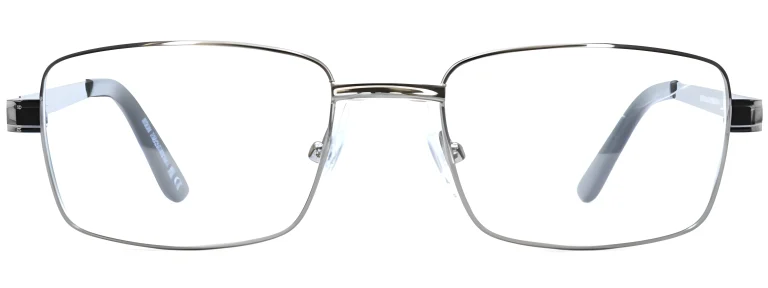
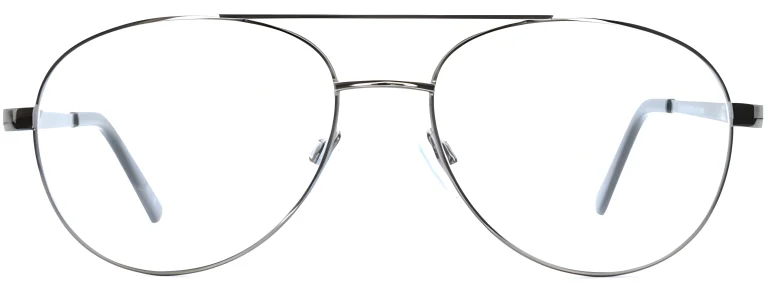
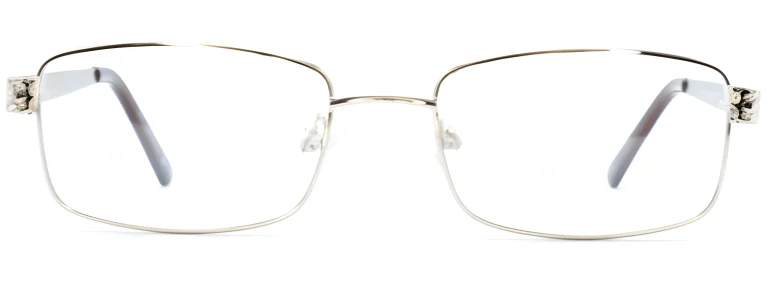







Choosing a new pair of glasses involves more than picking a frame you like. The lenses are what actually correct your vision, and the type you choose has a direct impact on how clearly and comfortably you see throughout the day. Get it right and you will barely notice you are wearing them. Get it wrong and no amount of stylish frames will compensate.
This guide covers every main type of prescription lens, who each one is designed for, and what to consider when choosing between them — whether you are ordering for the first time or updating an existing prescription.
Single Vision Lenses
Single vision lenses are the most common type of prescription lens. They are designed to correct vision at a single focal distance — either far away, up close, or at a fixed intermediate range. The entire lens shares the same prescription throughout.
They are the standard choice for anyone who needs correction at one distance only, which covers most people under the age of 40. That includes those who are short-sighted (myopia), long-sighted (hyperopia), or who need reading correction for close-up tasks.
Single vision lenses are also used for computer distance — sometimes called intermediate single vision lenses — where the prescription is set to the typical screen distance of 50–70cm. These are popular with office workers who find varifocals too general for their specific working setup.
Bifocal Lenses
Bifocal lenses contain two distinct prescription zones within a single lens. The upper portion corrects distance vision; the lower segment, separated by a visible horizontal line, corrects near vision for reading and close work.
Bifocals were the original multi-distance solution before varifocals became widely available, and they remain a practical, cost-effective option for people who need both distance and near correction. The clear visual distinction between zones means there is no adjustment period — you always know which part of the lens to look through.
The trade-off is the visible line and the abrupt transition between distances. For some wearers, particularly those who spend time on stairs or uneven ground, judging depth through the lower segment takes some getting used to.
Varifocal Lenses
Varifocal lenses — also known as progressive lenses — offer a seamless, gradual transition between distance, intermediate, and near vision within a single lens, with no visible dividing line. As you move your gaze from the horizon down to a book, the lens progressively adjusts to give you clear vision at every point in between.
They represent the most versatile prescription lens available, and for most people who need multi-distance correction, they are the preferred solution. Modern varifocals are digitally surfaced for far greater precision than older designs, and the adaptation period most people experience is typically a matter of days rather than weeks.
If you are ordering prescription glasses online and considering varifocals for the first time, it is worth having your prescription checked recently — varifocal lenses need accurate measurements to work well, and a current prescription makes a significant difference to how quickly you adapt.
Occupational Lenses
Occupational lenses, sometimes called office lenses, are designed specifically for indoor working environments. Rather than covering the full range from distance to near, they prioritise clarity at close and mid-range distances — typically from reading distance up to around two to three metres.
They are particularly well suited to people who spend the majority of their working day at a desk, switching between a screen, documents, and colleagues across the room. Varifocals can cover this range, but occupational lenses offer a wider field of view at working distances, which many desk-based users find significantly more comfortable for sustained work.
These lenses are not designed for driving or general outdoor use — they are a complement to a separate pair of distance glasses rather than a replacement for them. This makes our 2 for 1 glasses offer particularly well suited to anyone who needs both an occupational and a distance pair.
Reading Glasses
Reading lenses are a form of single vision lens set to close-up distance — typically 30–40cm, which corresponds to the natural reading distance for most people. They are among the most commonly ordered lens type, particularly for people experiencing presbyopia, which is the gradual loss of close-up focus that typically begins in the mid-40s.
Unlike over-the-counter reading glasses sold in pharmacies, prescription reading lenses are made to your exact specification. They account for any difference in prescription between your eyes, your precise reading distance, and any astigmatism — none of which off-the-shelf readers can accommodate. For anyone whose close-up vision is changing, a proper prescription reading lens will be noticeably more comfortable and accurate than a generic alternative.
Distance Glasses
Distance lenses are single vision lenses designed for seeing clearly at range — typically anything beyond a few metres. They are the standard correction for short-sightedness and are used for driving, watching television, and general outdoor activity.
Many short-sighted people wear their distance glasses full-time, taking them off only for close-up tasks such as reading. Others prefer to combine distance correction with reading correction in a bifocal or varifocal lens, depending on their lifestyle and how their vision has changed with age.
Distance lenses are also commonly used in prescription sunglasses, which is worth considering if you spend significant time outdoors or driving. You can explore men’s glasses and women’s glasses across a full range of frame styles, all of which can be fitted with distance prescription lenses.
Intermediate Glasses
Intermediate lenses fill the gap between distance and reading, set to a fixed working distance of roughly 50–100cm. They are less common as a standalone lens type but are valuable for specific use cases — particularly screen work, music, and technical tasks that require sustained focus at arm’s length.
Intermediate single vision lenses offer a wider, more comfortable field of view for screen-based work than either the distance or near section of a varifocal lens. For people who develop eye strain or neck discomfort when using varifocals at a computer, intermediate glasses are often a more practical solution.
Lens Thickness: What You Need to Know
Whatever lens type you choose, prescription strength affects how thick the finished lens will be. Higher prescriptions — particularly those with significant sphere or cylinder values — produce thicker lenses in standard materials.
High-index lens materials address this by bending light more efficiently, allowing the same prescription to be achieved with a thinner, lighter lens. For anyone with a higher prescription, high-index lenses are worth considering both for comfort and for the aesthetics of the finished glasses.
When you order from Glasses Store, lens thickness options are presented clearly at checkout so you can choose the best fit for your prescription and preferred frame style.
Should You Add Lens Coatings?
Once you have chosen your lens type, coatings are the next decision. Anti-reflective and anti-scratch coatings in particular have a meaningful impact on daily comfort and lens longevity. We covered this in detail in our guide to anti-reflective coating for glasses — worth reading before you finalise your order.
Ready to Choose Your Lenses?
Every pair of glasses ordered from Glasses Store is glazed in-house by qualified technicians and made to your exact prescription. Once you have selected a frame, the checkout process guides you through lens type, thickness, and coatings step by step — with no upselling and every option clearly explained.
Browse our full range of glasses frames and customise your lenses at checkout. Every order is backed by a 12-month warranty and covered by our 90-day returns policy.