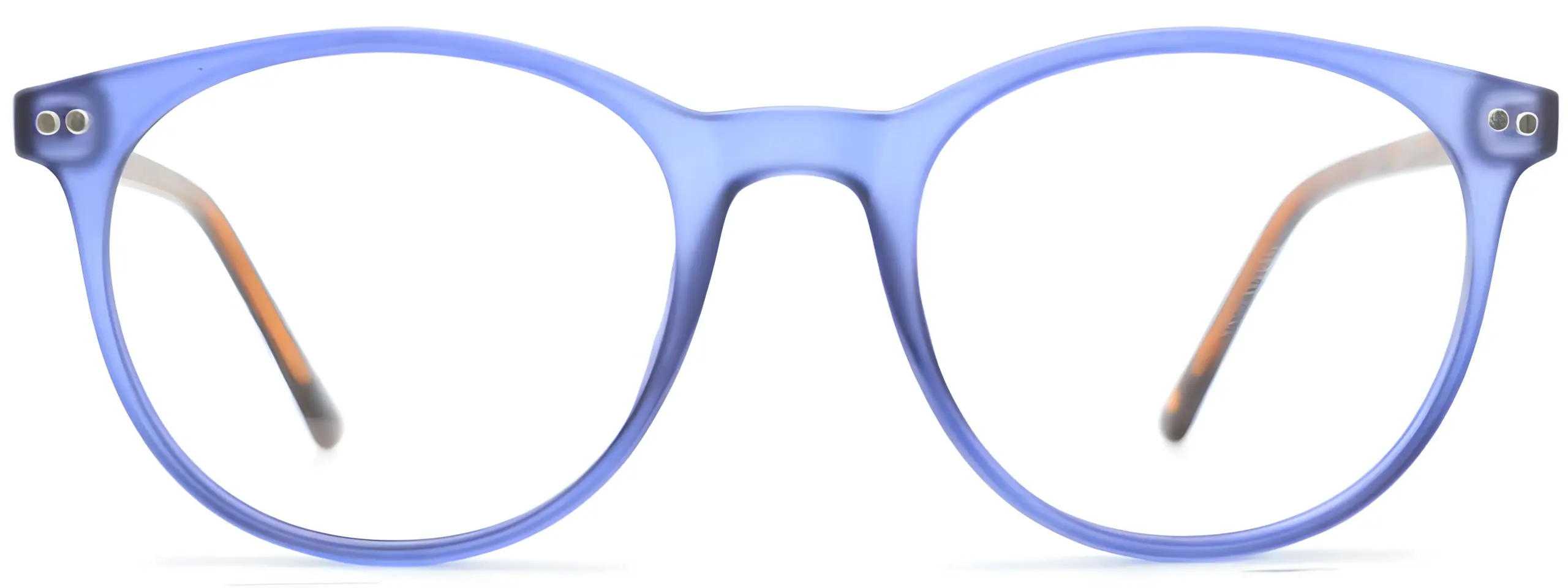
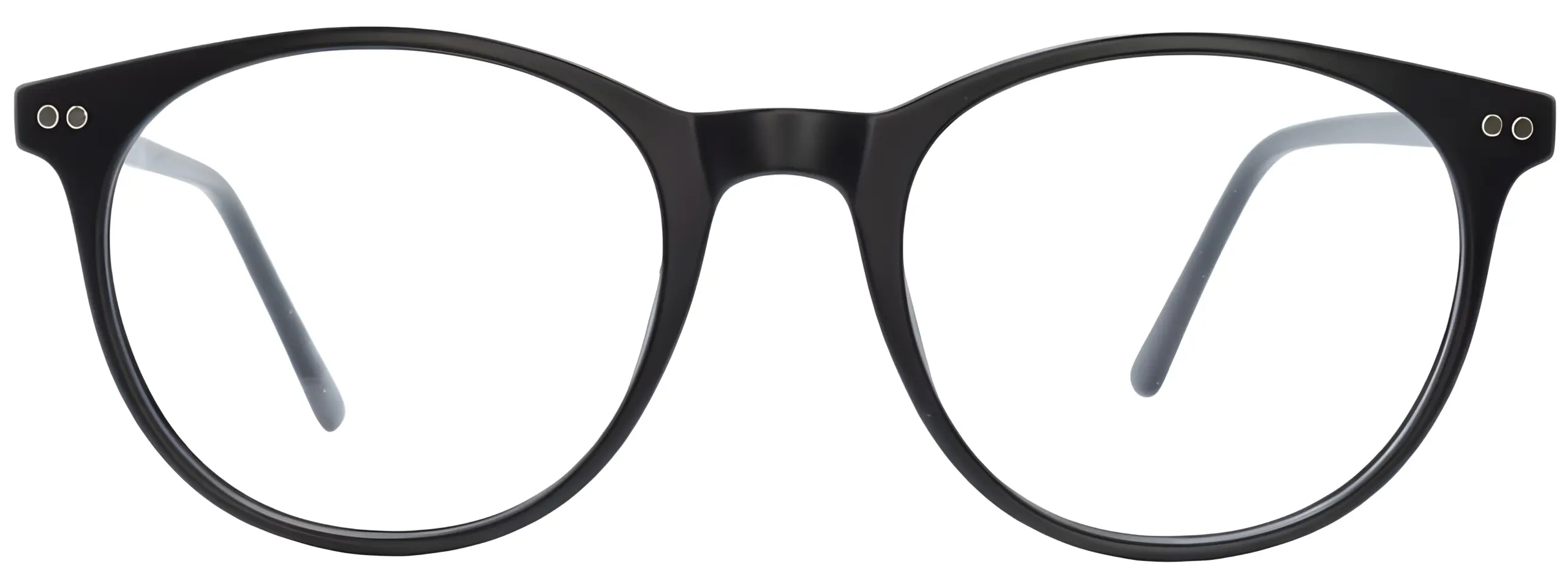
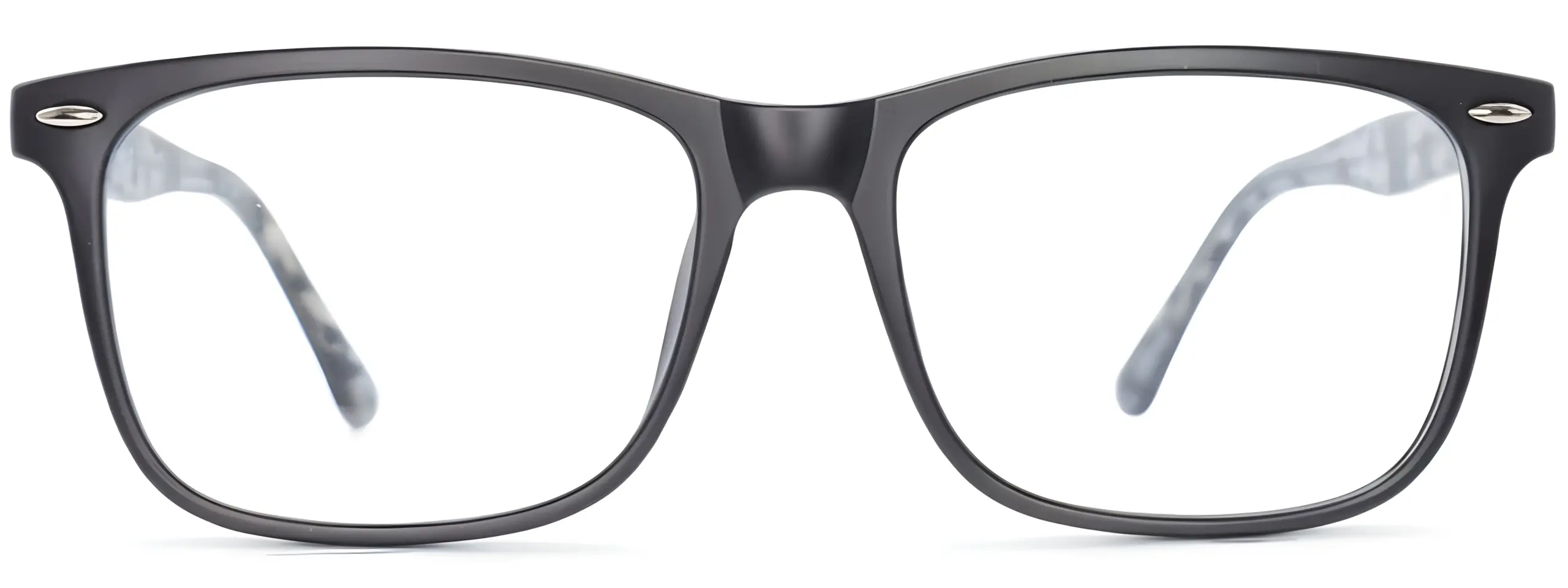
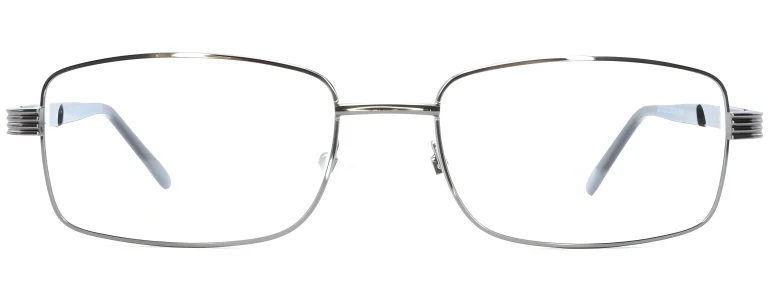
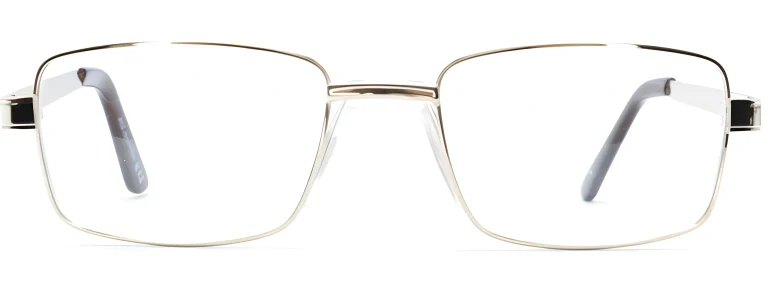
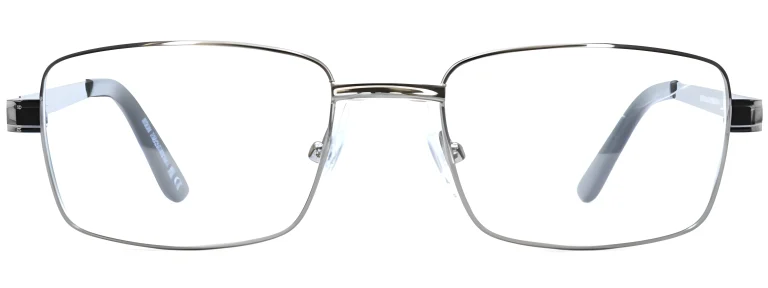
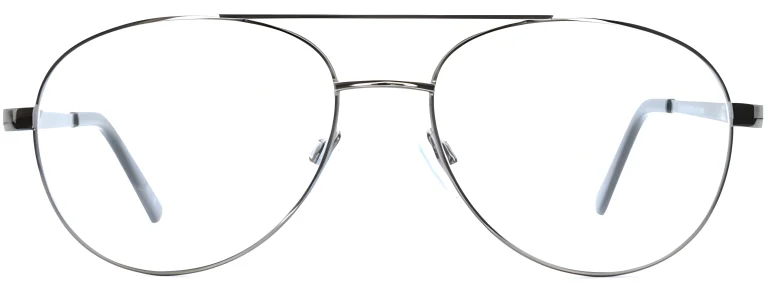
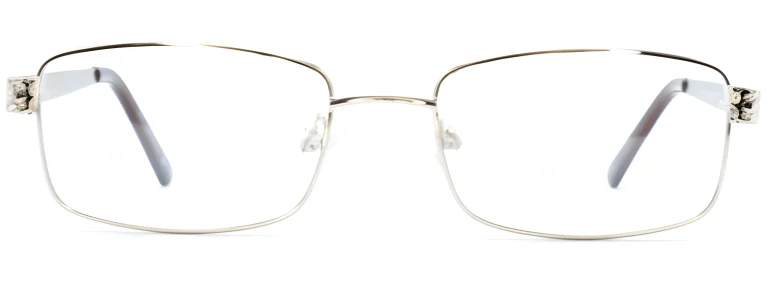









In today’s screen-heavy working world, more people are turning to occupational lenses — also known as office glasses — to ease eye strain and improve comfort at work. Whether you’re based in a traditional office, working from home, or split between both, occupational glasses offer targeted vision support for the distances that matter most during a working day.
Unlike standard varifocals or reading glasses, occupational spectacles are purpose-built for intermediate and near vision tasks: screens, documents, colleagues across a desk. This guide covers how they work, who they suit, how the prescription works, and how to order occupational glasses online in the UK — and if you’re ready to browse, you’ll find our full range of prescription glasses online at Glasses Store.
What Are Occupational Lenses?
Occupational lenses are specially designed for visual tasks carried out at close to intermediate distances — reading, computer use, and speaking with colleagues nearby. They fall under the category of task-specific glasses, built to deliver maximum clarity and comfort at the distances most commonly used in professional or home working environments.
They differ from varifocals in that they don’t correct for long-distance vision. Instead, they prioritise the range between 40 cm and around 4 metres, depending on your prescription. That trade-off is deliberate — by removing the distance zone, the lens gives you a far wider, more comfortable viewing area exactly where you need it at your desk.
Why Use Occupational Glasses?
If your working day involves extended screen time, frequent reading, or shifting focus between multiple zones — monitor, notebook, colleague — occupational glasses can make a noticeable difference to comfort and productivity.
Key benefits of occupational lenses:
- Wider field of view for screen and desk work
- Reduced neck and shoulder strain from more natural head posture
- Clearer near and intermediate vision than standard multifocals
- Less eye fatigue and fewer work-related headaches
Who Are Occupational Spectacles For?
Occupational glasses are well suited to people who:
- Spend most of their day working at a computer or desk
- Experience blurry vision, eye strain, or headaches during screen time
- Use reading glasses but find them ineffective for multi-distance tasks
- Wear varifocals but struggle with a limited intermediate viewing zone
- Work in offices, classrooms, salons, surgeries, or similar environments
They’re also a practical option for anyone over 40 experiencing presbyopia — the natural age-related decline in near vision — who doesn’t yet need full-time varifocals for general or distance use.
Computer, Desk, and Room Lenses — What’s the Difference?
You may have come across terms like computer lenses, desk lenses, or room lenses when researching occupational glasses. These aren’t separate products you choose between at checkout — they’re descriptions of how a prescription is optimised for a specific working distance, and that’s determined by your optometrist during your eye test, not something you select yourself.
When you visit an optometrist for an occupational eye test, they’ll ask about the distances involved in your working day — how far you sit from your screen, whether you need to see across a room, how much close reading you do. Based on that, they set the ADD (addition) value in your prescription to match those distances precisely.
As a general guide to how this works:
- A computer distance (typically 60–80 cm) usually requires a higher ADD — around +1.50 or more — because more magnification is needed for that closer range.
- A room distance (up to 3–4 metres) typically requires a lower ADD — around +1.00 — because less magnification is needed across a greater distance.
- A desk distance (close reading at 40–60 cm) may require an even higher ADD depending on the individual’s near vision needs.
When you order occupational glasses at Glasses Store, you simply enter the prescription your optometrist has written — the working distance is already built into those figures. If you haven’t yet had an occupational eye test, it’s worth telling your optometrist the specific distances involved in your work before the test begins so they can set the prescription accordingly.
Occupational Lenses vs Varifocals vs Single Vision
Single vision lenses correct for one fixed distance — either near, intermediate, or far. Varifocals cover all three zones including distance vision for driving and general use. Occupational lenses sit between the two — they cover near and intermediate only, but with a much wider and more comfortable viewing area in those zones than a varifocal can offer.
| Feature | Single Vision | Varifocals | Occupational Lenses |
|---|---|---|---|
| Vision zones | One fixed zone | Near, intermediate, distance | Near and intermediate only |
| Screen use | Can cause neck strain | Often limited intermediate area | Wide, clear intermediate zone |
| Everyday wear | Suitable for one task | Designed for all-day use | Designed for work/task use |
| Best for | Reading or distance | All-day general wear | Office or workstation environments |
If you’re using standard reading glasses or varifocals and still experiencing discomfort during work hours, occupational spectacles are worth considering. Many people who wear varifocals full-time keep a separate pair of occupational glasses specifically for desk use.
Occupational Glasses for Different Professions
While office lenses are most associated with desk jobs, they’re widely used across many industries:
- Teachers and lecturers — reading and classroom interaction at range
- Dentists and surgeons — clarity at arm’s length within a treatment space
- Hairdressers and beauticians — close detail work with client eye contact
- Musicians — sheet music at near with awareness of the conductor or ensemble
- Retail and reception roles — switching between screen, customer, and counter
What Prescription Do You Need for Occupational Glasses?
Occupational glasses use the same base prescription as your regular lenses. The key figure to confirm is your ADD (addition) value — the extra power added for near and intermediate tasks, set by your optometrist based on your working distances. This should appear on any prescription where near vision has been tested.
Your prescription should include:
- Sphere (SPH) — your primary correction for short or long sight
- Cylinder (CYL) and Axis — for astigmatism, if present
- ADD — the addition for near and intermediate tasks, set to your working distance
- Pupillary Distance (PD) — measurable with our virtual try-on tool if not listed on your prescription
If your prescription doesn’t include an ADD value, it’s worth booking an occupational eye test and telling your optometrist the specific distances involved in your working day before the test begins.
How to Order Occupational Glasses Online from Glasses Store
Step 1 — Choose Your Frame
Shop glasses online across hundreds of styles in metal and acetate, including lightweight options suited to long working days. Select a frame that suits your style, face shape, and comfort requirements.
Step 2 — Select Occupational Lenses at Checkout
Once you’ve added a frame to your basket, you’ll be guided through lens selection. Choose occupational lenses and enter the prescription your optometrist has provided — the working distance is already built into your ADD value, so there’s nothing else to configure.
Step 3 — Enter Your Prescription
Enter your prescription details at checkout, including your SPH, CYL, Axis, ADD, and PD. If you’re unsure whether your prescription includes everything required, our UK support team can help before you order.
Step 4 — Add Coatings
For occupational glasses, we recommend:
- Anti-reflection coating (MAR) — reduces glare from monitors and overhead lighting; the most useful coating for screen-based work
- Blue light filter — reduces high-energy blue light from digital screens; popular with those in screen-heavy roles
- Scratch-resistant coating — extends lens life for glasses used and removed frequently throughout the day
Step 5 — Complete Your Order
All Glasses Store orders include:
- Free 90-day returns
- 12-month frame warranty
- Next-day dispatch on single vision orders placed before 3pm
- Free delivery on orders over £99
- In-house glazing by our qualified technicians
- 5-star rated on Trustpilot
Are Occupational Glasses Worth It?
For anyone spending several hours a day at a screen or desk, occupational glasses are a practical solution to a common problem. Standard lenses aren’t designed for the specific distances desk work demands — and the result is often neck strain from awkward viewing angles, eye fatigue, and end-of-day headaches.
The difference is most noticeable for people managing with reading glasses or older varifocals. A wider intermediate zone removes the need to tilt or crane your head to find a clear focal point, reducing the accumulated strain of a full working day.
They’re not a replacement for your everyday glasses. But as a dedicated pair for the hours you’re at your desk, they’re a worthwhile investment — whether you’re buying prescription glasses online for the first time or adding a specialist pair to your collection.
Shop all frames at Glasses Store and order your occupational glasses online today.
Frequently Asked Questions
Are occupational lenses the same as varifocals? No. Varifocals include distance correction for driving and general use alongside intermediate and near zones. Occupational lenses cover only intermediate and near distances, providing a wider and more comfortable area for desk and screen work. Many people wear varifocals for everyday use and keep a separate pair of occupational glasses for work.
Can I wear occupational glasses outdoors? They’re not suitable for driving or general long-distance use. Occupational lenses are task-specific and best used in indoor working environments.
Do I need a different prescription for occupational glasses? The base prescription is the same, but you’ll need an ADD value set specifically for your working distances. Tell your optometrist how far away your screen, desk, or colleagues are before your eye test so they can set the ADD accordingly.
Can I add blue light protection to occupational glasses? Yes. A blue light filter can be added to any occupational lens at Glasses Store and is one of the most popular coatings for screen-heavy roles.
What’s the difference between computer lenses and room lenses? Both are occupational lenses — the difference is in the ADD value your optometrist sets. A computer prescription typically has a higher ADD for closer screen distances, while a room prescription has a lower ADD to give clear vision across a larger space. Your optometrist determines this based on your working environment, not something you choose at checkout.
What are task glasses? Task glasses is another term for occupational glasses — glasses designed for specific working distances rather than general or all-day wear.