



When customising your prescription glasses, choosing the right lens coating can make a noticeable difference in both comfort and visual performance. While lenses correct your vision, coatings enhance how they function — improving clarity, reducing reflections, and protecting your eyes from environmental strain.
In this guide, we’ll explain the most common types of lens coatings and treatments used in prescription glasses, helping you choose the right options for your needs.
Why Are Lens Coatings Important?
Lens coatings aren’t just add-ons — they’re functional upgrades. The right treatments can:
-
Minimise glare and reflections
-
Improve durability and scratch resistance
-
Block harmful light sources like UV or blue light
-
Enhance clarity, especially when driving or using screens
-
Keep lenses cleaner for longer
Whether you’re wearing your glasses all day or just for specific tasks, coatings help maximise the value of your lenses.
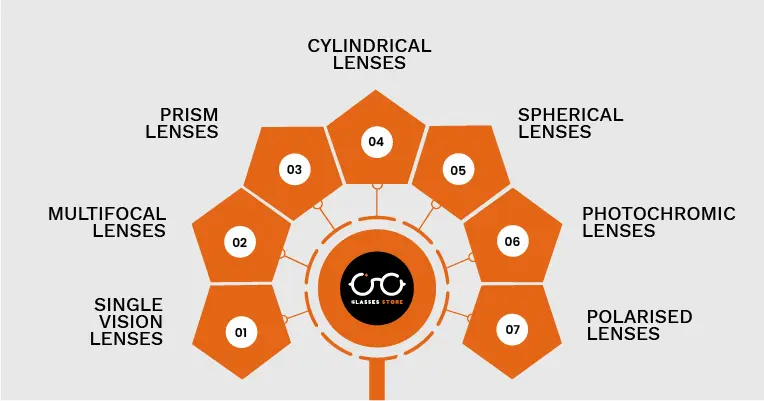
7 types of Lenses for Prescription Glasses
1. Anti-Reflective Coating (AR or MAR)
Anti-reflective coatings reduce reflections on both the front and back of the lens surface. This makes your vision clearer and your lenses more transparent, especially under artificial or low light.
Benefits:
-
Improved clarity in low-light conditions, such as night driving
-
Reduced glare from screens and headlights
-
Lenses appear almost invisible, improving aesthetics
-
Lower eye strain when working on digital devices
At Glasses Store, all MAR (Multi-Anti-Reflective) coatings also include oil-, water-, and smudge-resistant properties.
2. Scratch-Resistant Coating
Plastic lenses are more prone to surface marks than traditional glass. A scratch-resistant coating hardens the outer layer, helping prevent minor abrasions.
Benefits:
-
Increases the lifespan of your lenses
-
Better protection for everyday use
-
Easier to clean without damaging the surface
This treatment is particularly useful for children’s glasses or anyone handling their glasses frequently.
3. Blue Light Filtering Coating
Blue light filtering coatings help reduce exposure to high-energy visible (HEV) blue light emitted by screens, LED lighting, and digital devices.
Benefits:
-
May reduce digital eye strain and fatigue
-
Can support better sleep quality if worn in the evening
-
Helps filter out harsh screen glare without affecting screen visibility
Note: This is a coating that can be added to any prescription lens — it’s not a type of lens in itself.
4. UV Protection Treatment
Ultraviolet (UV) light exposure can lead to long-term damage such as cataracts and macular degeneration. A UV-blocking treatment adds an invisible filter to your lenses that protects your eyes from both UVA and UVB rays.
Benefits:
-
Prevents harmful sun damage to your eyes
-
Recommended for daily wear, even when it’s cloudy
-
Can be added to clear prescription lenses
While many modern lenses already include basic UV protection, adding a dedicated UV treatment offers enhanced coverage.
5. Photochromic Treatment (Light Adaptive Lenses)
Photochromic treatments allow your lenses to darken when exposed to UV light and return to clear indoors. These are often referred to as Transition® lenses.
Benefits:
-
Eliminates the need for a second pair of prescription sunglasses
-
Protects against both UV and visible light exposure
-
Convenient for users frequently moving between indoor and outdoor settings
This treatment is particularly useful for users with light sensitivity or those who prefer minimal fuss when out and about.
6. Polarised Lens Coating
Polarised lenses contain a special filter that blocks intense horizontal glare, such as sunlight reflecting off water, glass, or roads. While technically a type of sunglass lens, the polarised coating is an optional upgrade on prescription sun lenses.
Benefits:
-
Reduces glare, especially for driving or outdoor activities
-
Enhances contrast and clarity in bright settings
-
Helps prevent squinting and visual fatigue in sunlight
Polarised lenses are especially popular among drivers, anglers, and people who spend long periods outdoors.
7. Anti-Fog Coating
Foggy lenses can be a major inconvenience, especially in cold weather or when moving between different temperatures. An anti-fog coating prevents condensation build-up on the lens surface.
Benefits:
-
Clear vision in changing environments
-
Ideal for glasses wearers who also use masks, helmets, or face coverings
-
Helpful in winter or when cooking, exercising, or commuting
This hydrophobic treatment works by minimising moisture cling, keeping your lenses fog-free for longer.
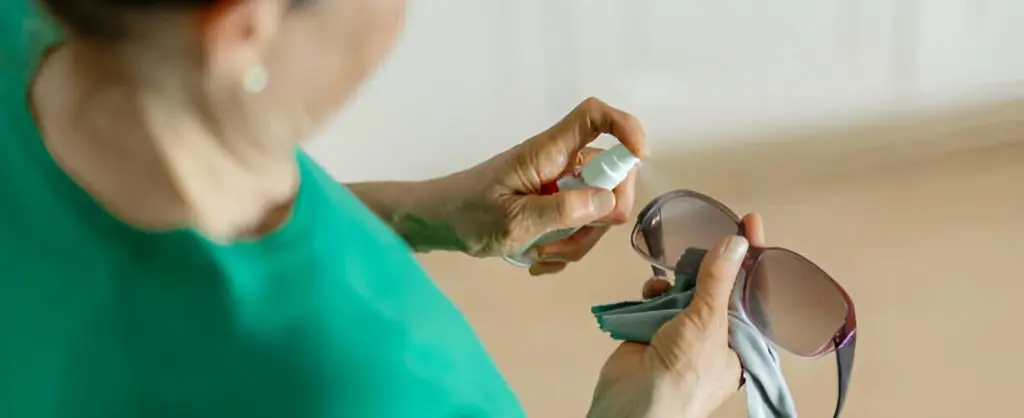
How important is lens cleaning?
Choosing the Right Coating for Your Glasses
The best lens coatings for you will depend on how you use your glasses:
| Lifestyle | Recommended Coatings |
|---|---|
| All-day wear | Anti-reflective, scratch-resistant, UV protection |
| Office and screen use | Blue light filter, anti-reflective |
| Driving | Polarised lenses, anti-reflective, UV protection |
| Outdoor activities | Photochromic or polarised lenses, UV protection |
| Cold environments | Anti-fog, scratch-resistant |
When customising your glasses on Glasses Store, you can choose which coatings to add after selecting your prescription lens type.
FAQs About Lens Coatings
Do all lenses come with coatings automatically?
Not always. Scratch-resistant and basic UV coatings are often included, but others like anti-reflective or blue light filters are usually added during lens customisation.
Can I combine multiple coatings?
Yes. Most coatings can be layered together. For example, you can combine blue light filtering with anti-reflective and scratch-resistant features.
Is blue light filtering necessary?
If you spend long hours using digital devices, blue light filtering may reduce fatigue and improve comfort. It’s especially useful for screen-heavy work or evening use.
What’s the difference between photochromic and polarised lenses?
Photochromic lenses adjust to light conditions, darkening outdoors and clearing indoors. Polarised lenses don’t change tint but reduce glare from reflective surfaces like roads and water.
Do anti-reflective coatings wear off?
Over time, low-quality coatings may degrade, but high-grade MAR coatings are long-lasting and designed to withstand daily cleaning.
Final Thoughts
Lens coatings turn a standard pair of prescription glasses into something more tailored, practical, and comfortable. Whether you’re looking to cut screen glare, block UV rays, or prevent everyday scratches, the right treatments enhance how your lenses perform in the real world.
At Glasses Store, we make it easy to customise your glasses during checkout. Simply choose your preferred frame and prescription, then select the coatings that match your lifestyle and budget.